
Proper shimming is essential for successful machinery installation and long-term equipment performance. Whether installing pumps, motors, compressors, or generators, shimming helps ensure equipment is correctly positioned, properly supported, and accurately secured to the machine base.
However, even minor mistakes during the shimming process can lead to significant industrial maintenance issues, including vibration, premature wear, and costly downtime. Understanding these common challenges can help maintenance teams improve machinery alignment and strengthen maintenance reliability across rotating machinery.
1. Soft Foot Conditions Caused by Improper Shimming
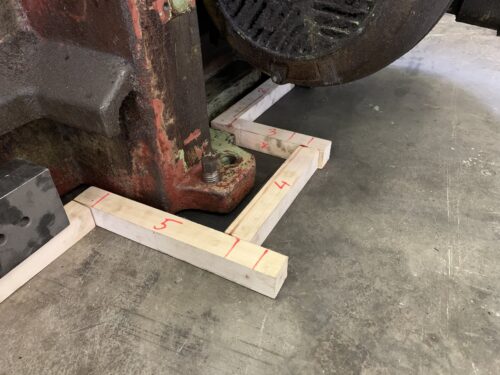
One of the most common issues associated with shimming is soft foot. This occurs when one or more machine feet do not sit flush against the mounting surface of the machine base.
Soft foot can distort equipment frames, negatively impact pump alignment, and increase stress on bearings, seals, and couplings. Proper shimming techniques are critical for eliminating these gaps and achieving precision alignment during machinery installation.
2. Excessive Shim Stacking
Traditional shimming methods often require technicians to stack multiple metal shims to achieve the desired elevation on machinery foundations.
While effective in some situations, excessive shim stacking can create instability and make future alignment adjustments more difficult on rotating equipment. Many facilities are turning to liquid shimming solutions to reduce the complexity associated with stacked shim packs and to support more predictable industrial maintenance outcomes.
3. Uneven Load Distribution
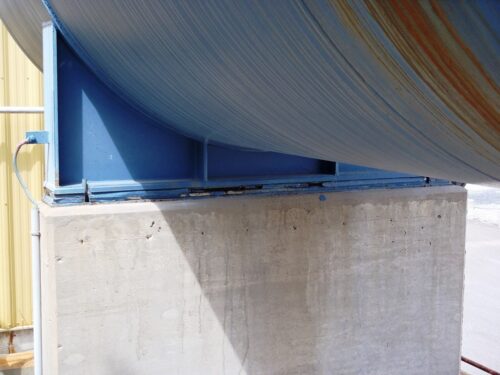
One of the primary goals of industrial shimming is to create even load distribution across all equipment mounting points on the machine base.
When gaps exist between the machine foot and foundation, loads may become concentrated in specific areas, creating stress points that can affect machinery alignment, undermine precision alignment, and shorten the service life of rotating machinery.
4. Corrosion Between Metal Shim Layers
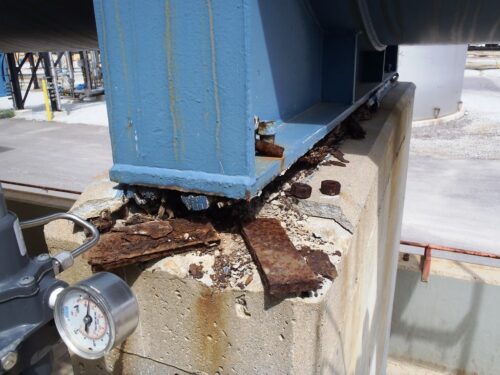
In industrial environments, moisture, chemicals, and contaminants can cause corrosion between stacked metal shims on machinery foundations.
Over time, corrosion may compromise the effectiveness of the shim pack and affect equipment positioning. Unlike traditional metal shims, a liquid shim can provide a solid, corrosion-resistant support structure that helps maintain alignment and supports long-term maintenance reliability.
5. Time-Consuming Equipment Shimming Installation
Achieving precise alignment with traditional shim packs often involves repeated adjustments and measurements during machinery installation.
Technicians may spend hours adding, removing, and replacing shims to obtain the correct elevation on rotating equipment. This can increase labor costs, extend maintenance shutdowns, and strain industrial maintenance schedules.
6. Maintaining Accurate Pump Alignment
Reliable pump and motor alignment is critical for reducing vibration and extending the life of rotating machinery.
Improper shimming can make it difficult to achieve and maintain alignment, leading to increased wear on rotating components. Effective shimming practices help provide a stable machine base for accurate pump alignment, consistent precision alignment, and long-term maintenance reliability.
7. Long-Term Stability Challenges
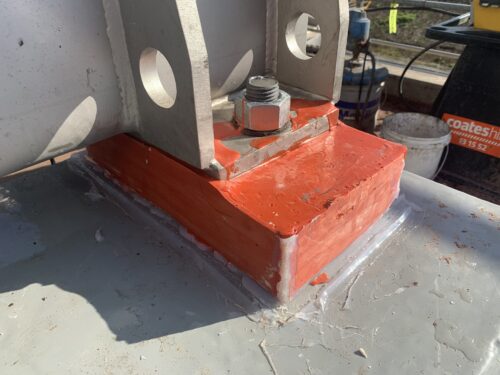
Even when equipment is initially aligned, vibration, thermal expansion, and foundation movement can impact support systems and machinery foundations over time.
Modern epoxy shim technologies offer an alternative to traditional shim packs by creating a custom-fit support structure that conforms to the mounting surfaces. These solutions can help improve long-term stability, strengthen maintenance reliability, and maintain alignment under demanding operating conditions for rotating equipment.
Why More Facilities Are Choosing Liquid Shimming
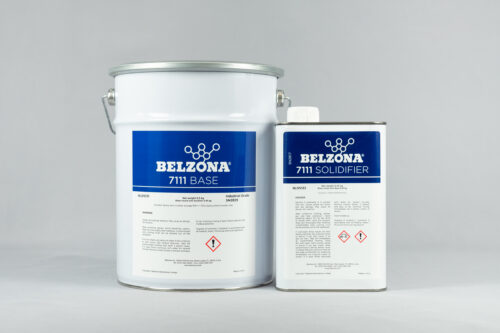
As maintenance teams seek ways to improve reliability and reduce downtime, liquid shimming is becoming an increasingly popular alternative to traditional metal shims for machinery installation.
A properly installed liquid shim provides full surface contact between equipment and foundation, helping eliminate soft foot conditions, improve load distribution, and simplify installation procedures for rotating equipment. In many applications, epoxy shim systems can also reduce the inventory requirements associated with storing multiple shim sizes and thicknesses, supporting stronger industrial maintenance programs and maintenance reliability across the plant.
Frequently Asked Questions
1. What are the benefits of liquid shimming compared to traditional metal shims?
Liquid shimming provides full surface contact between the equipment and foundation, helping improve load distribution and alignment accuracy. Unlike stacked metal shims, a liquid shim conforms to irregular surfaces, reduces the risk of corrosion, and can simplify machinery installation while supporting long-term machinery alignment and maintenance reliability.
2. Can an epoxy shim be used for pump alignment applications?
Yes, an epoxy shim such as Belzona 7111 can be an effective solution for pump and motor alignment and other industrial shimming applications. By creating a custom-fit, load-bearing support structure on the machine base, epoxy shims help maintain precision alignment, reduce vibration, and improve the long-term stability and maintenance reliability of installed rotating machinery.
3. How does soft foot affect machinery alignment and equipment reliability?
Soft foot creates gaps between the machine feet and the machine base, which can distort equipment frames and pull components out of precision alignment once mounting bolts are tightened. Left uncorrected, this added stress accelerates wear on bearings, seals, and couplings, undermining machinery alignment and reducing overall maintenance reliability. Identifying and correcting soft foot before final alignment is a critical step in any machinery installation project.
4. How often should shims be inspected as part of an industrial maintenance program?
Shim condition should be checked any time rotating equipment undergoes a routine alignment check, after a major vibration event, or during scheduled outages. Traditional metal shims are especially prone to corrosion and settling over time, so facilities running rotating machinery in humid or corrosive environments may need more frequent inspections. Because a liquid shim bonds directly to the machinery foundations and resists the gapping and corrosion common with stacked shims, it typically requires less frequent attention, helping simplify long-term industrial maintenance planning.
Learn More About Belzona Industrial Solutions
- 7 Structural Repair Applications That Don’t Require Welding
- How to Protect a Screw Conveyor with an Abrasion Resistant Coating
- Six Key Areas of Nuclear Power Plant Maintenance
- 7 Shimming Challenges That Can Affect Machinery Alignment
- How to Complete a Propeller Shaft Repair with Liquid Shimming

Digital Content Creator, Belzona Inc., Miami, Florida


