Boat propeller repairs are often required because harsh marine operating conditions such as saltwater, cavitation, turbulence, and suspended solids rapidly damage metal surfaces. Over time, this deterioration through erosion-corrosion mechanisms results in reduced efficiency, increased fuel consumption, and potential failure.
Common Problems with Boat Propellers
Boat propellers are prone to:
- Wear, damaged or corroded blades which is accelerated in saltwater
- Cavitation damage, causing pitting and surface loss
- Reduced hydrodynamic performance due to surface roughness
- Imbalance and vibration leading to premature wear of shafts and bearings
Belzona solutions provide a cold-applied, non-metallic solution that avoids hot work and extends the operational life of marine propulsion components.
Step-by-step Guide – How to Repair a Boat Propeller Using Belzona 2141 (ACR-Fluid Elastomer)
This step-by-step guide outlines how to complete a boat propeller repair using Belzona 2141 (ACR-Fluid Elastomer), an elastomeric coating designed for resisting propeller cavitation and long-term immersion.
Step One: Surface Preparation
To ensure long-term adhesion, boat propeller blades must be thoroughly prepared:
- Machine or grind rebate grooves at every location where the coating will terminate.
- Grit blast all surfaces to Sa 2½ (near-white metal)
- Wash the surface with Belzona 9111 (Cleaner/Degreaser) to remove all dust and contaminants.
Metal surfaces that have been immersed for any periods in salt solutions should be blasted to the required standards, left for 24 hours to allow any ingrained salts to sweat to the surface and then washed prior to a further brush blast to remove these. Please refer to the product Information for Use for full details.
If required, rebuild damaged or eroded areas of the propeller blades back to their original form using an appropriate Belzona product such as Belzona 1212, a surface-tolerant epoxy composite for emergency in-situ metal repair of oil contaminated, wet and underwater substrates.
Step Two: Conditioning
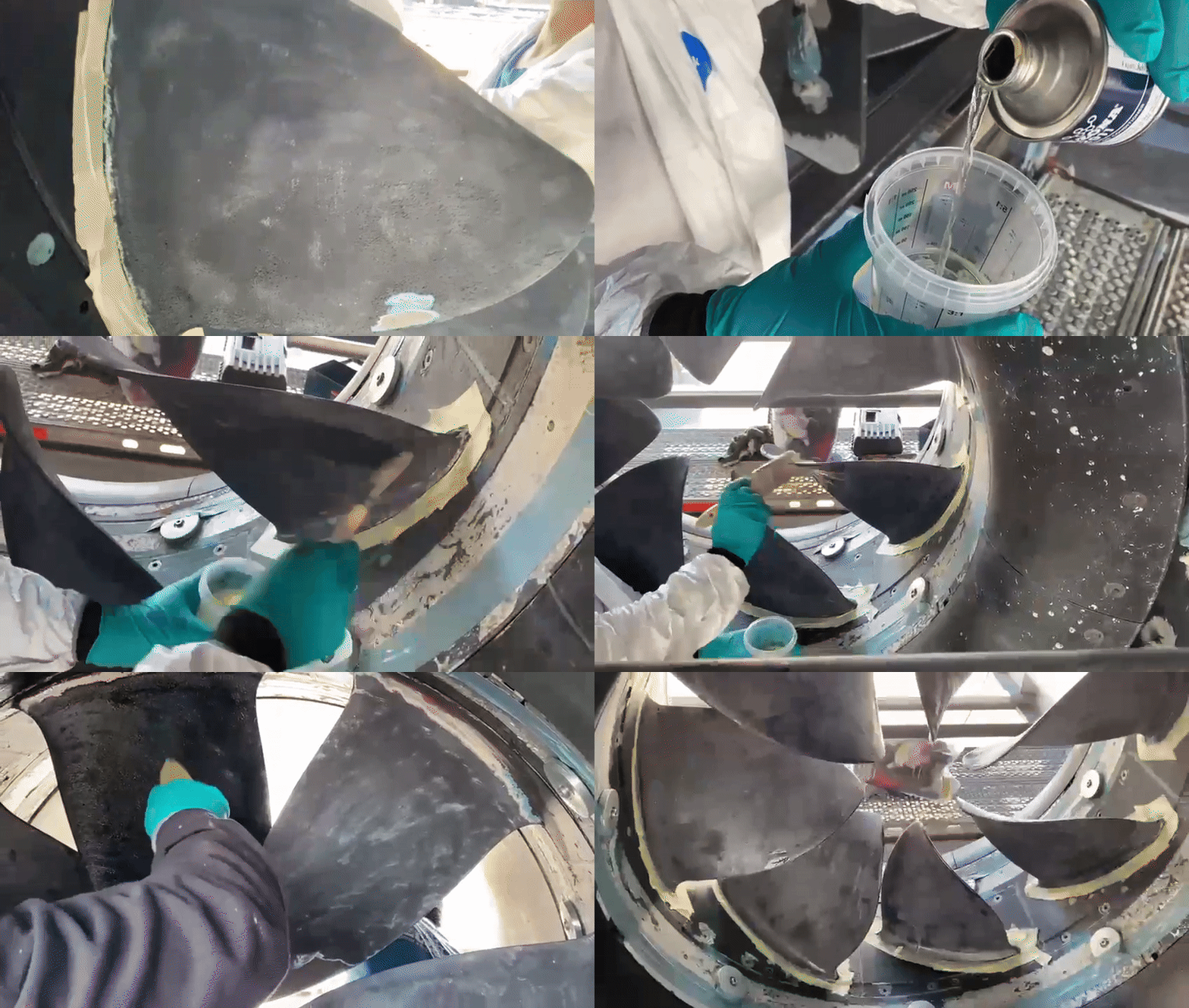
Use a stiff-bristled brush to prime the entire prepared area using an elastomer conditioner such as Belzona 2911 (Elastomer QD Conditioner) to ensure optimum adhesion.
Step Three: Application
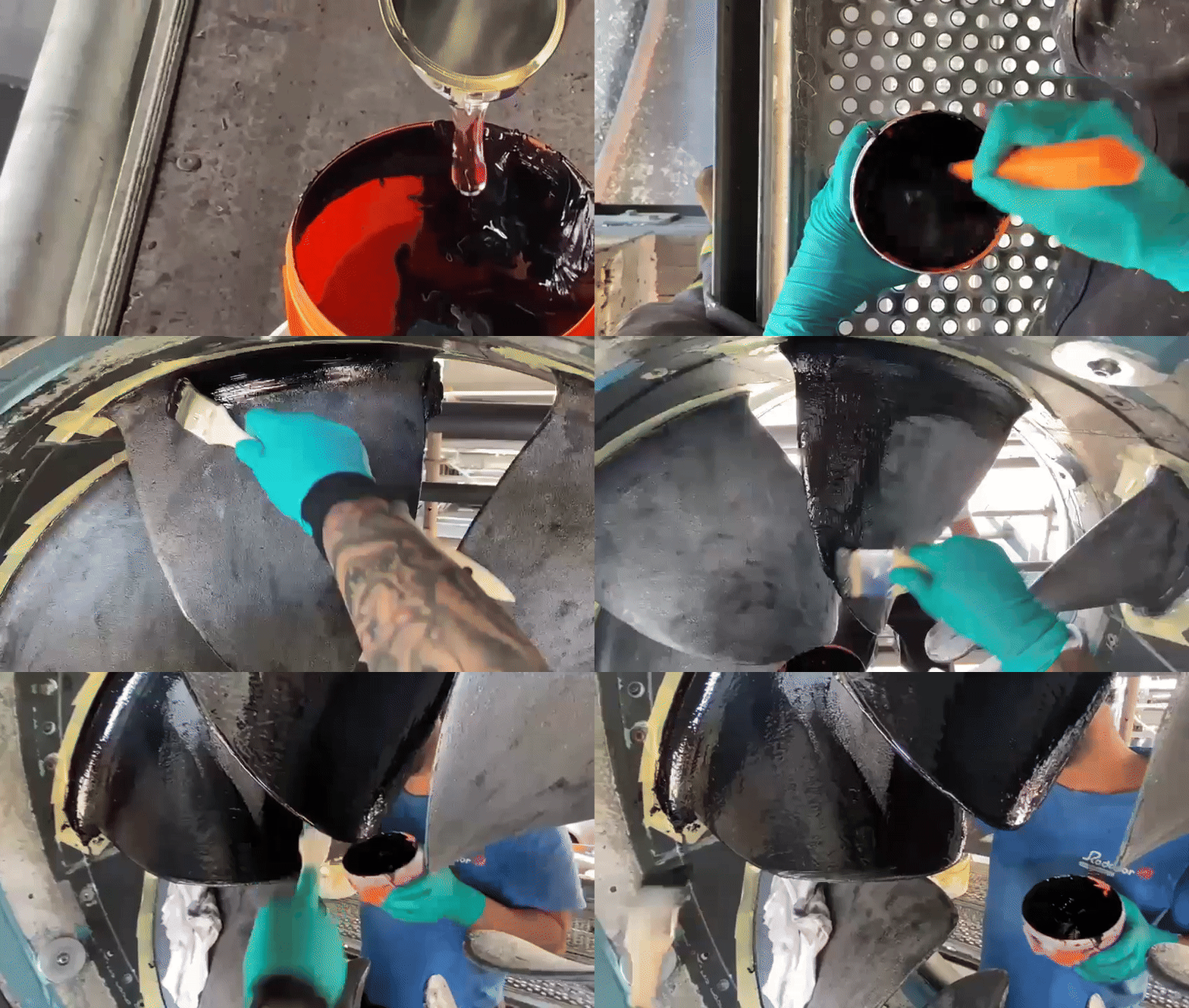
b) Coating with Belzona 2141 (ACR-Fluid Elastomer)
- Mix the contents of the Belzona 2141 (ACR-Fluid Elastomer), base into the solidifier container and mix for at least three minutes.
- Apply an even coat using stiff short-bristled brushes, ensuring the coating flows into the rebate grooves.
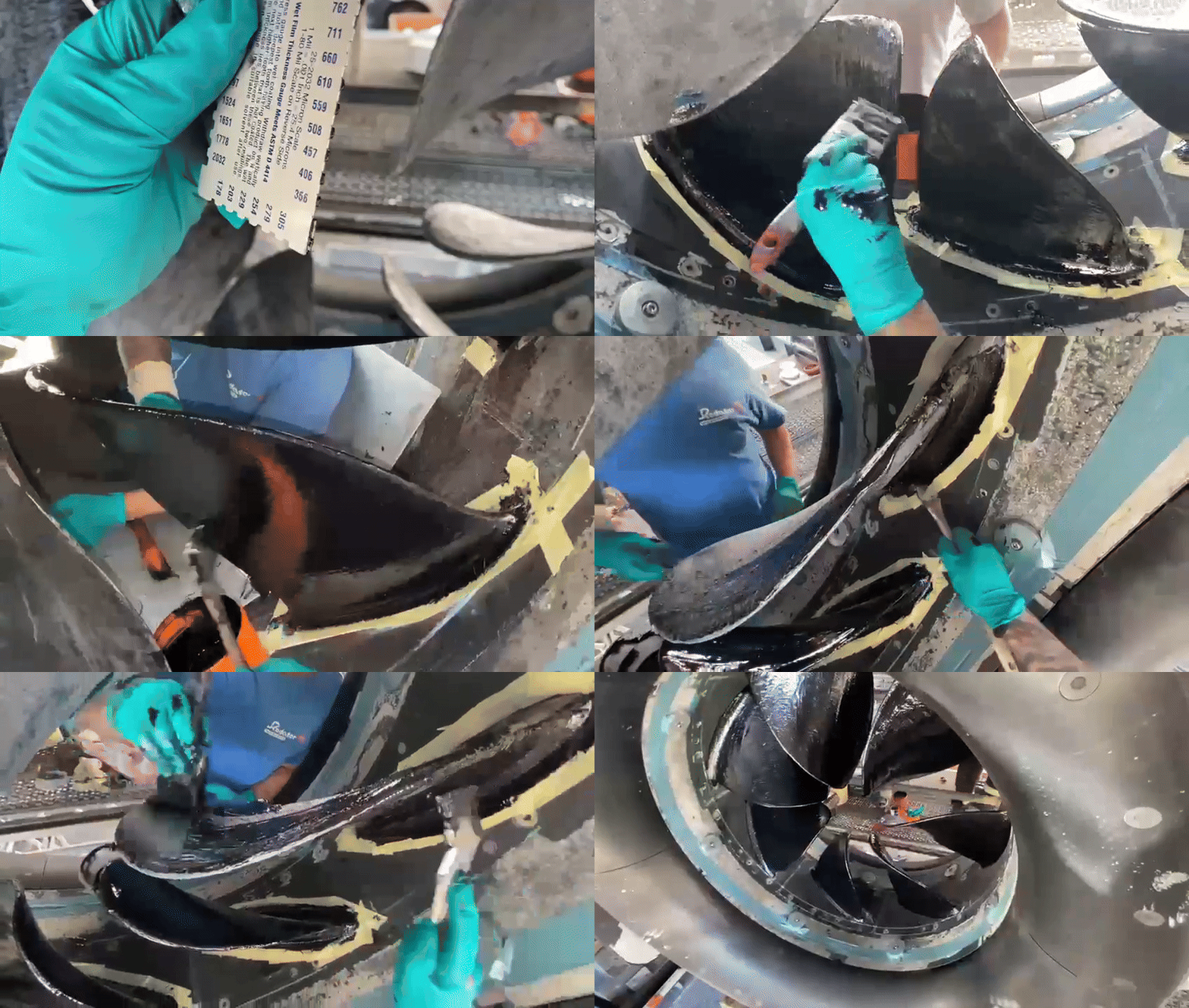
- Use wet film thickness gauges to confirm correct application thickness. Please refere to the Belzona Information for Use Sheet (IFU) fo additional information.
- Remove tape immediately.
- Allow the first coat to cure, then apply the second coat as specified.
Additional Protection Against Cavitation – Belzona 1341 (Supermetalglide)
Belzona 1341 (Supermetalglide) is recommended as an additional protective layer in cavitation-prone areas, where its hydrophobic technology helps reduce fluid adhesion and limit surface damage caused by turbulent flow.
Summary
When a boat propeller is damaged, the vessel may not operate correctly. Boat propeller repairs using Belzona 2141 (ACR-Fluid Elastomer), provides a durable, cavitation-resistant solution that restores performance and protects against further erosion-corrosion. By using Belzona’s long-trusted repair and protection solutions, boat propeller repairs can significantly extend service life while reducing the need for costly replacements and unplanned downtime.
Frequently Asked Questions
What are the most common problems with boat propellers?
Boat propellers play a critical role in the performance of marine vessels but are exposed to harsh conditions which lead to issues such as propeller cavitation damage, physical impact from debris or shallow water, and bent propeller shafts. In many cases of damage, rebuilding and coating with Belzona is often a practical and cost-effective boat propeller repair solution.
What is Belzona 2141 (ACR-Fluid Elastomer)?
Belzona 2141 (ACR-Fluid Elastomer) is a durable elastomeric coating designed to resist abrasion and cavitation damage in fluid-handling and marine environments. ACR stands for Abrasion and Cavitation Resistant, highlighting its suitability for protecting components such as boat propellers exposed to high-velocity flow and turbulent conditions.
Is boat propeller repair possible instead of full replacement?
Yes. Many forms of propeller damage can be repaired and protected rather than replaced. Damaged surfaces can be rebuilt using a Belzona two-part epoxy paste. Coatings such as Belzona 2141 (ACR-Fluid Elastomer) will provide long-term protection, often at a fraction of the cost of replacement.
Where can I purchase Belzona products for boat propeller repair?
Belzona products are supplied through a global network of authorised distributors who also provide technical support and application guidance. Find a Distributor to discuss the most suitable repair solution for your propeller application.
Learn More
Marine Coatings and Composites: Six Key Maintenance Areas
How to Repair and Protect Ship Bilges: A Complete Guide
Contact Your Local Distributor to Learn More About Boat Propeller Repairs

Based in the Company’s Headquarters in Harrogate, Angus Jackson joined Belzona Ltd in 2024 as a Chemical Engineer. Specialising in repair composites and protective coatings, Angus works closely with Belzona’s authorised Distributor Network, providing technical support and training.
He plays a key role in helping select and apply advanced polymeric materials for asset protection, ensuring long-term performance and reliability. In addition to delivering product training, Angus is actively involved in troubleshooting and optimising solutions for corrosion, erosion, and mechanical damage in industrial systems.
Holding an MEng in Chemical Engineering from Newcastle University, Angus has a background in pipeline engineering and simulation, with expertise in hydraulic analysis for Oil & Gas, water, and wastewater systems. His experience in flow dynamics and system optimisation provides a strong technical foundation for his current work in materials engineering. Passionate about innovation and knowledge sharing, he is dedicated to enhancing infrastructure longevity through advanced engineering solutions.