Industrial vessels operating in aggressive environments are constantly exposed to corrosion, chemical attack, and high temperatures. Over time, this can lead to degradation of internal surfaces, reduced asset reliability, and costly downtime.
In this guide, we demonstrate how to apply a spray coating to a vessel using Belzona 1391S, a corrosion-resistant coating designed for spray application using heated airless equipment.
Why Are Industrial Spray Coatings used for Vessel Lining?
Applying a spray coating to a vessel is an effective way to protect steel substrates and extend equipment service life. These high-performance coating systems create a durable barrier coating on the metal surface, preventing moisture and chemicals from reaching the substrate. Compared with traditional brush-applied systems, epoxy spray systems allow faster and more uniform coverage across large surfaces and are commonly used for vessel lining applications.
Step-by-Step Guide: How to Apply a Spray Coating to a Vessel
Step 1: Surface Preparation Prior to Application of Belzona 1391S
Proper preparation is essential when applying spray coatings to metal substrates.
First, blast clean the substrate to ISO 8501-1 Sa 2½ to remove rust, contaminants, and mill scale. Achieving this level of cleanliness ensures the metal protective coating adheres effectively to the vessel surface.

Step 2: Pit Filling and Stripe Coating
Any pitting on the metal surface should be filled prior to coating to restore the original profile. Use a suitable Belzona paste-grade repair material where required.
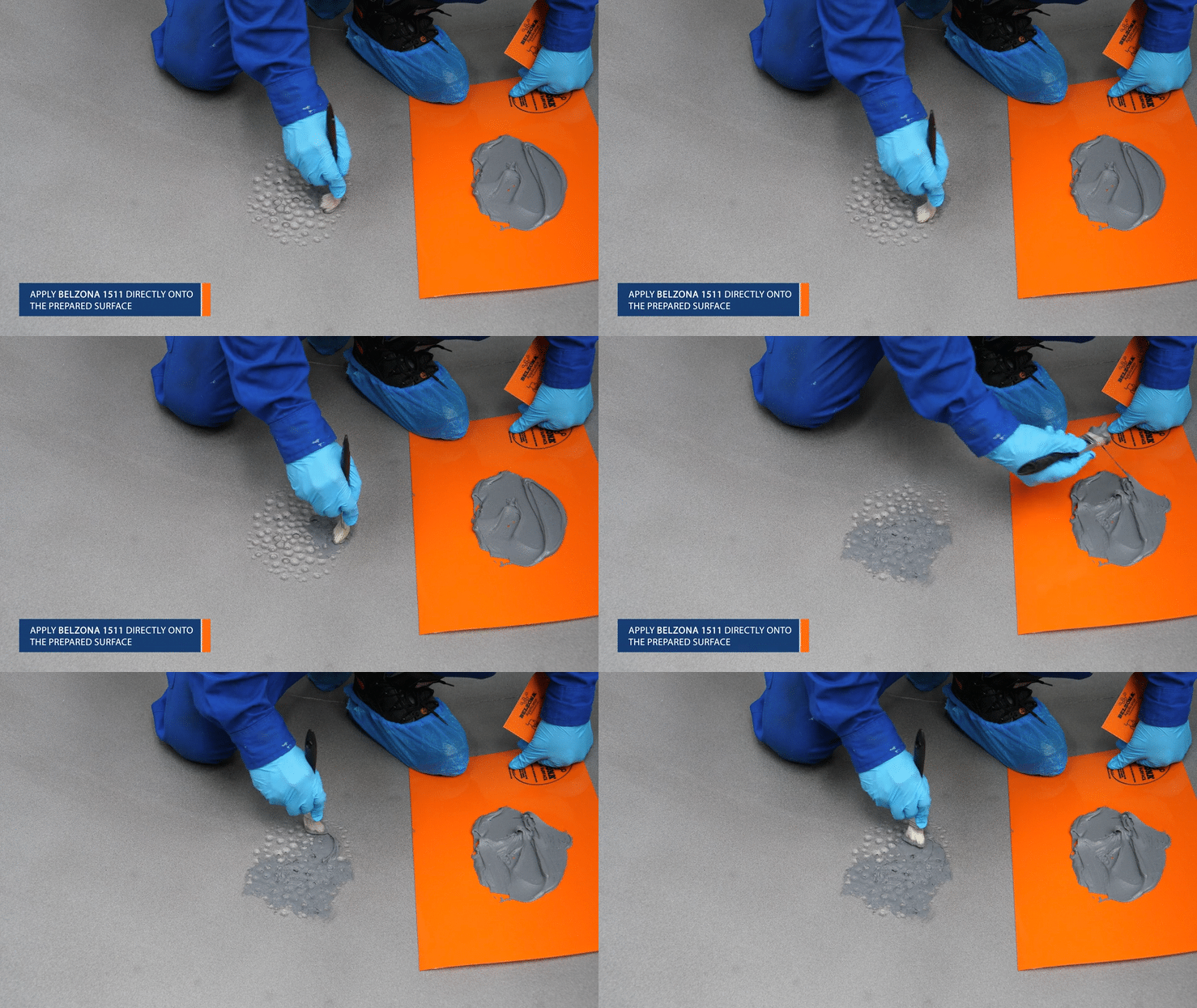
Areas such as weld seams, brackets, and edges should be prepared to NACE SP0178 Grade C or better before applying the spray coatings.
Stripe coating these detailed areas using the hand applied coating Belzona 1391T can help ensure consistent coverage and long-term durability in difficult geometries.
Step 3: Mixing the Industrial Spray Coating
Belzona 1391S must be applied using heated airless industrial spray coating equipment, so ensure the system is assembled and tested before mixing.
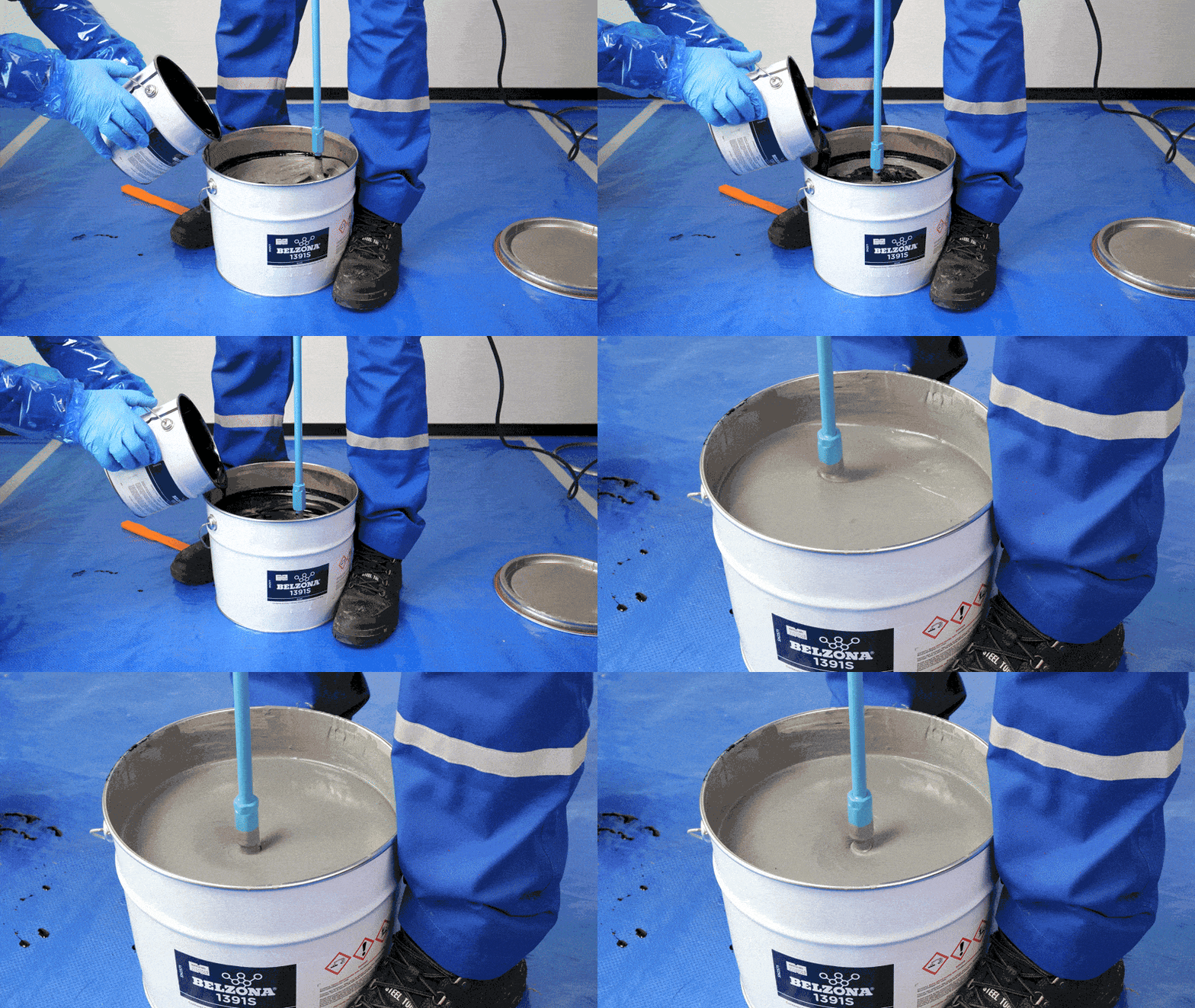
Pour the solidifier gradually into the base unit, using a paddle mixer to combine the components until a consistent colour is achieved (for part mixing use a 4:1 ratio by volume).
Step 4: Apply the Spray Coating
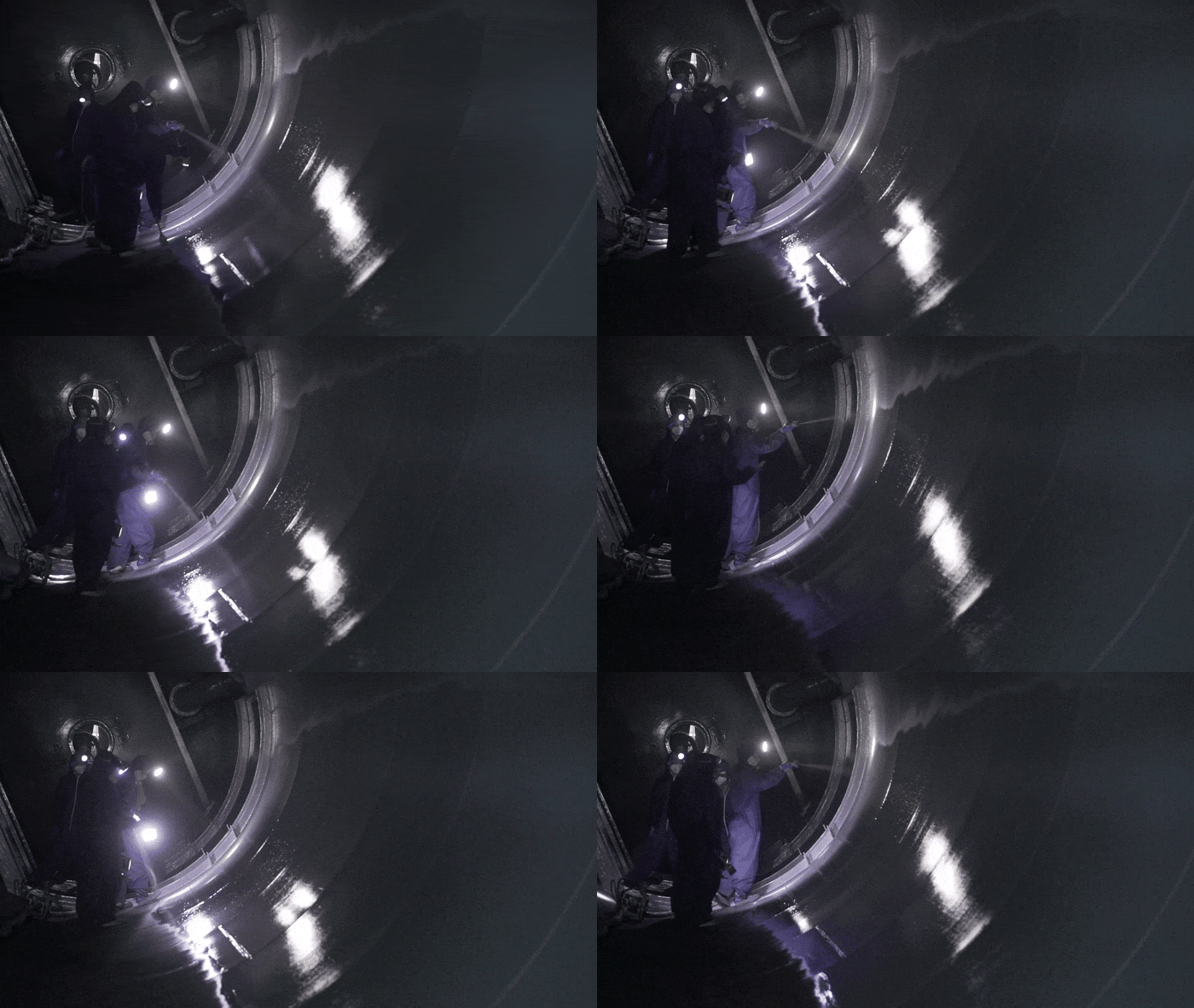
Apply the spray coatings evenly across the prepared vessel surface.
Belzona 1391S is typically installed as a two-coat system, with each coat applied at a target thickness of 15 mils (375 microns).
The coating can be overcoated once the first layer becomes firm enough. Always consult the Instructions for Use to confirm overcoating intervals.
Inspection and Testing After Spray Coating Application
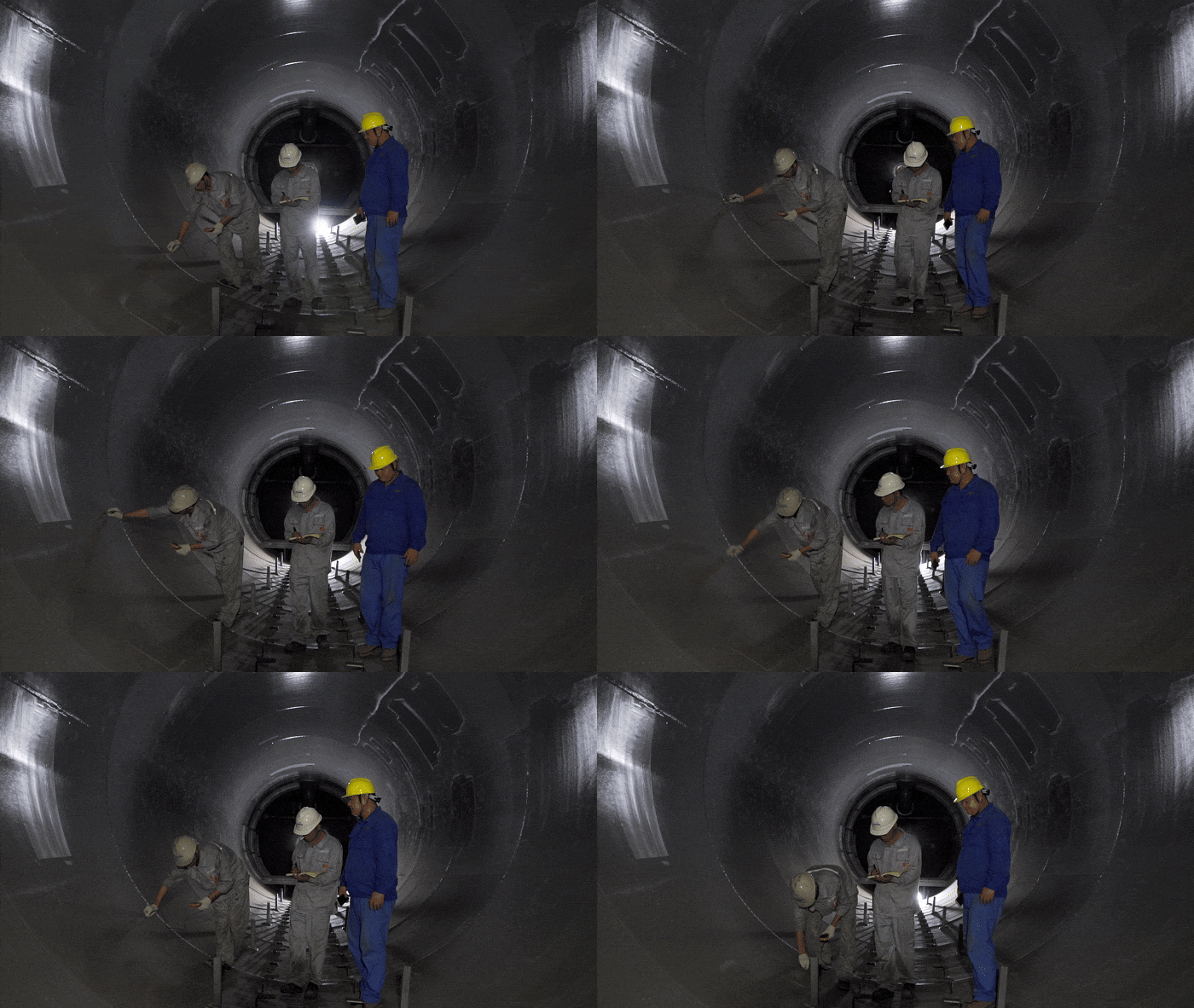
Inspection is essential to ensure the spray coatings provide continuous corrosion protection.
Immediately after application, visually inspect the coating for pinholes, misses, or thin areas so they can be corrected while the coating is still workable.
Once the coating becomes dimensionally stable, conduct a full inspection. Perform a spark test in accordance with NACE SP0188 to confirm coating continuity.
A test voltage of 3 kV is typically used to verify that the barrier coating has achieved the required minimum thickness and is performing as a reliable corrosion resistant coating.
Case Study: Spray Coating 31 Process Vessels in China
At a Chinese facility, 31 process vessels used throughout various stages of the Oil and Gas process required durable protection.
Belzona 1391S was selected at the fabrication stage for its high-temperature performance and rapid application using heated airless spray equipment. The vessels were successfully protected and inspected, saving the customer time and money by extending asset life.
This two-part, spray-applied epoxy coating provides durable chemical resistance and withstands continuous immersion up to 110°C (230°F), making it ideal for vessel linings and critical process equipment.
Video: 31 Process Vessels Protected with Spray Applied Belzona Coating
Frequently Asked Questions
What are spray coatings used for in industrial vessels?
Spray coatings create a metal protective coating that protects vessels from corrosion, moisture, and chemical exposure. These systems often act as a chemical resistant coating and are widely used for vessel lining applications.
What type of coating is used for spray coating metal vessels?
Industrial vessels are commonly protected using epoxy spray systems applied with industrial spray coating equipment. These coatings form a durable barrier coating that protects steel substrates from corrosion.
What equipment is required to apply a spray coating to a vessel?
High-performance coatings such as Belzona 1391S require heated airless spray equipment. This ensures the coating reaches the correct viscosity and allows it to be evenly applied across large surfaces.
Why is surface preparation important before applying a spray coating?
Surface preparation ensures proper adhesion between the spray coating and the steel substrate. Achieving ISO 8501-1 SA 2½ ensures long-term coating performance.
Can spray coatings help extend vessel service life?
Yes. When correctly applied, spray coatings provide corrosion and chemical resistance, protecting the vessel substrate and reducing maintenance requirements over time.
Learn More

Content Creator, Belzona Inc., Harrogate, UK.
Responsible for writing a range of content including blog posts, press releases and a range of marketing material.