
- Why Bricks? The Natural, Durable Material Behind Long-Lasting Structures
- 1. Retains Natural Appearance
- 2. Maintains Cleanliness
- 3. Improved Insulation Properties
- 4. Prevents Spalling and Cracking
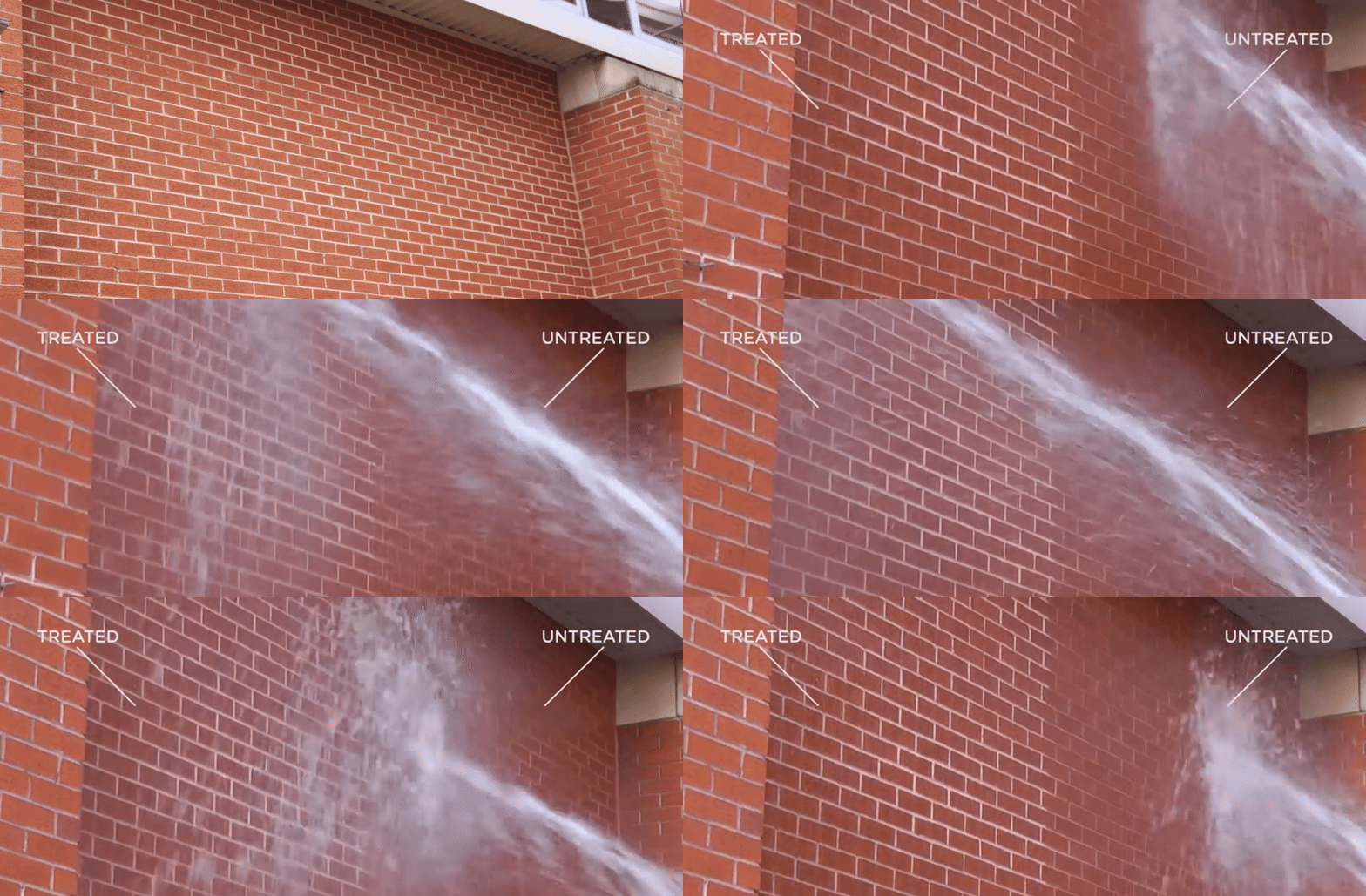
- 5. Prevents Water Ingress
- Other Uses of Belzona 5122 (Clear Cladding Concentrate)
- Step-by-Step Guide for Waterproofing Brick Walls
- Frequently Asked Questions
- Learn More
Waterproofing brick walls and other masonry surfaces. Learn five essential reasons to apply a water-repellent treatment to buildings and structures.
Why Bricks? The Natural, Durable Material Behind Long-Lasting Structures
Brick structures stand the test of time. People have used these building materials for centuries due to their abundance. They are from common natural materials such as clay and shale, easily extractable from the Earth. Also, they are nontoxic—they do not release any fumes or chemicals over time.
They are used for their durability and insulation. Bricks trap heat, even in the winter, and slowly release it throughout the day. Additionally, bricks become incredibly sturdy during the baking process. It allows them to endure pressure and movement.
Bricks are not susceptible to much damage. They do not rot, dent, or need paint. However, this does not mean they do not need some maintenance. Weather and natural forces are the biggest causes of damage to brick.
Moisture, freeze cycles, and aging may cause spalling, cracking, and water ingress. Nevertheless, there are preventative measures to protect brick walls. So, if you’re looking to protect and improve buildings and structures, here are five reasons why waterproofing brick walls with a clear waterproof treatment such as Belzona 5122 (Clear Cladding Concentrate) is an effective solution.
1. Retains Natural Appearance
Besides its sturdy properties, brick has also been used for its look. Architects have used them for their usual red color and texture; however, they come in other varieties. Waterproofing brick walls by applying a transparent treatment will retain the natural beauty of a brick structure while also preserving it and protecting it from natural forces.

2. Maintains Cleanliness
Brick walls should be clean to ensure the beauty of a brick structure is seen. A clear cladding treatment is a maintenance method that will preserve the structure. The treatment will reduce dirt retention and prevent the growth of organic matter such as mildew, moss, and lichens. Brick is a porous material, so the little nooks and crannies provide a space for dirt and humidity to collect and develop unwanted dirtiness. The treatment will fill the pores, which will keep the surface clean.
3. Improved Insulation Properties
Brick already traps heat and releases it to keep establishments warm. A waterproof and transparent treatment will still allow the sunlight to warm the brick from the outside. It will keep the heat within the walls more, releasing more heat into the interior rather than heat escaping into the exterior.
4. Prevents Spalling and Cracking
The porous surface of bricks allows water and moisture to collect. In the winter, the water will freeze, and as water freezes into ice, it expands. In the warmer times of the year, the ice will melt, leaving behind voids and cracks in the brick. The freeze-thaw cycle will deteriorate the integrity of bricks.
Moreover, if there are steel rods or sheets within the structure, corrosion will also expand, creating cracks. A waterproofing brick wall sealant will ensure that little moisture will seep into the pores of bricks, which prevents any structural damage to the masonry and the solidity of the wall or structure.

5. Prevents Water Ingress
If spalling and cracks are not taken care of, leaking will begin. The leaking will cause musty smells and mold and mildew to grow. If there is any plaster or timber in the area, it can cause damp plasterwork and wet rot. Flooding can occur if the leak is extreme. A wall sealant for waterproofing brick walls will stop any leaks from the cracked brick-and-mortar. No rain, snow, or any other moisture will be able to seep into the structure enough to cause dangerous structural damage.
Other Uses of Belzona 5122 (Clear Cladding Concentrate)
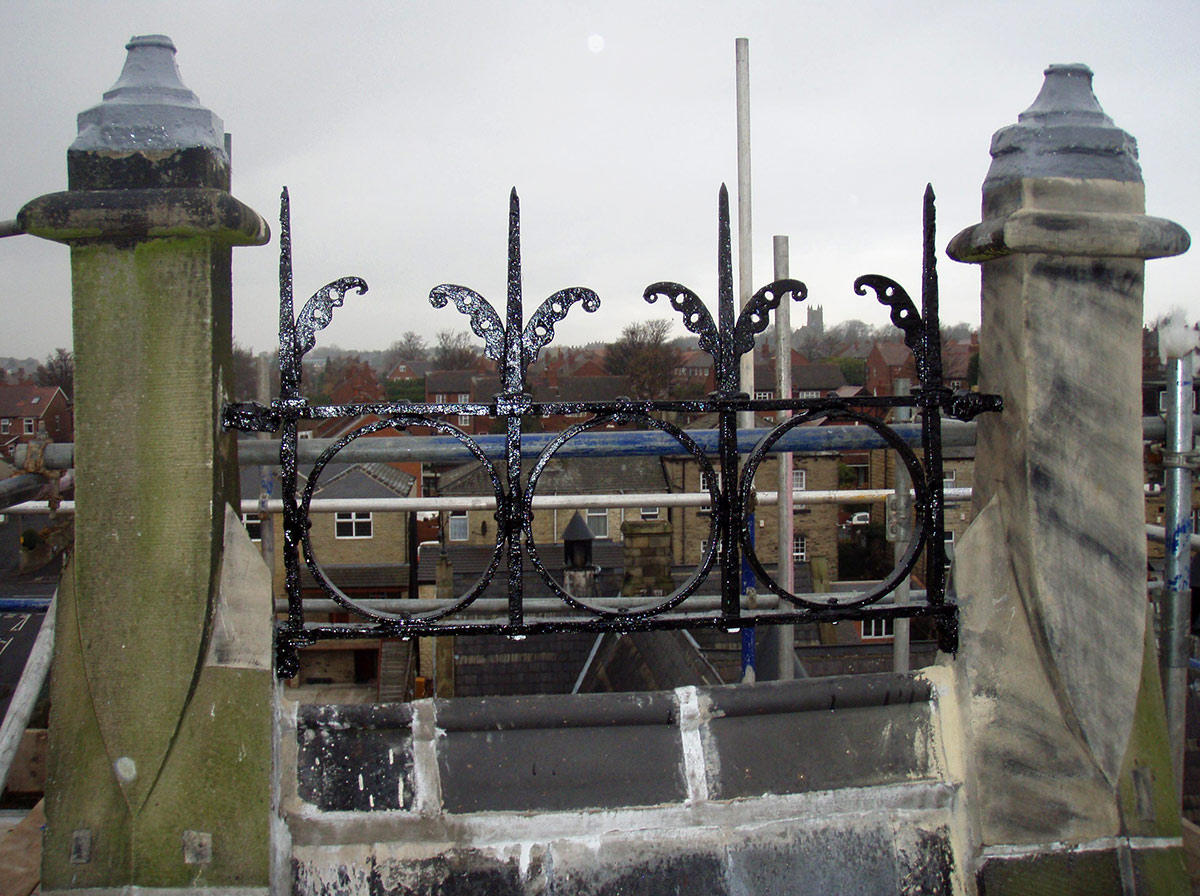
The treatment doesn’t only have to waterproof exterior brick walls. The treatment is used on stone walls, columns, and architectural details. They are also used for decorative or functional structures, for example, statues or railings. A waterproof treatment is a versatile tool to protect brick or stone.
Step-by-Step Guide for Waterproofing Brick Walls
Step 1: Preparing the Surface
Remove all loose substrate matter by grit blasting, wire brushing or scraping. Defective pointing should be raked out to a firm surface and re-pointed as necessary. Any residual moss, lichens, etc., should be treated with a suitable fungicidal wash as per the information for use sheet.
Windows, paintwork or plastic materials adjacent to application areas should be masked off to prevent splashes as contact with Belzona 5122 (Clear Cladding Concentrate) could cause discolouration or marking.
Step 2: Mixing
The water repellent treatment is supplied as a concentrate and should be diluted prior to application. Mix one litre of Belzona 5122 (Clear Cladding Concentrate) with nine litres of clean tap water in a plastic bucket.
Step 2: Application
Apply Belzona 5122 (Clear Cladding Concentrate) to a dry or slightly damp surface but never to a wet surface as penetration will be impaired.
Apply to the lowest section of the surface first, working towards the highest area. Liberally apply either by a long bristled brush or low pressure spray such that as progress is made working up the wall, the material should be allowed to run down and penetrate into the previously coated section underneath.
Frequently Asked Questions
Can you waterproof brick walls?
Using a water-repellent breathable treatment like Belzona 5122 (Clear Cladding Concentrate) brick walls can be waterproofed. It is designed to protect masonry surfaces from water penetration without altering the natural appearance of the structures, as it becomes transparent when cured.
This 100% solids material prevents spalling and cracking of surfaces such as concrete, stone and brick, while reducing dirt retention. It is supplied as a concentrate, which can be easily diluted on-site with water and applied by brush or spray to provide long-term protection and maintain building fabric insulation properties.
Is waterproofing a brick wall a good idea?
Yes, waterproofing a brick wall is a very good idea, especially when water is penetrating into porous surfaces. This can lead to damp or potential deterioration of the substrate through freeze-thaw cycling.
A high-quality waterproofing treatment will provide durable protection while still allowing the substrate to breathe, due to its microporous structure. This means moisture vapour can escape without allowing liquid water to penetrate.
A key advantage of using Belzona 5122 (Clear Cladding Concentrate) is that the treatment keeps the natural appearance of the brickwork. Once cured, it is completely transparent, so the original colour and texture of the surface remains unchanged.
A treated surface stays cleaner for longer, as the coating reduces dirt retention and inhibits the growth of mildew, moss, and lichen. Importantly, by minimising water absorption, spalling and cracking caused by freeze–thaw cycles will be prevented.
These treatments are simple and safe to use, cure at ambient temperatures and require no hot work. They offer reduced health and safety risks as they are often 100% solids. They can also be diluted on-site and applied easily by brush or spray. In addition, they offer excellent adhesion to a wide range of porous mineral surfaces, including concrete, limestone, brick, and sandstone.
Overall, waterproofing a brick wall is an effective, versatile, and practical way to enhance the durability, appearance, and performance of masonry structures.
Learn More
- How to Fix Uneven Concrete Floors (With Video)
- How to Repair Concrete Expansion Joints with a Polyurethane Sealant Solution
- How to Screed an Uneven Floor with Belzona 4131 (Magma-Screed)
Contact Your Local Distributor to Learn More About Waterproofing Brick Walls

Having joined Belzona in 2010, Ian Wade has cultivated a deep expertise in corrosion, coatings, and inspection services. Currently serving as the Technical Services Manager at Belzona’s headquarters in Harrogate, Ian has held various roles. These include Technical Services Engineer and Training Facility Team Leader, where he managed the day-to-day operations of the training facility and collaborated closely with technical and business development teams.
Ian’s professional journey has taken him across the UK and international waters, including stints in South Korea, China, the North Sea, and the Caspian Sea, performing both supervisory and hands-on inspection work. His practical experience extends to on-site applications using Graco spray pumps and hand-applied coatings, directly enhancing operational standards and safety.
Ian is an AMPP (NACE) Certified Coating Inspector Level 2 and is currently advancing his knowledge by pursuing a Bachelor of Engineering in Mechanical Engineering part-time at The Open University, expected to complete in 2027. He has written a number of technical articles including: Strengthening the Bond with Reliable Structural Adhesives and The Benefits of Protecting Storage Tanks with Sprayable, Polymeric Coatings. His commitment to technical excellence and his robust experience make him a valued leader and innovator in his field.


Good article. Freeze thaw is the one that gets us out here. Water soaks in, freezes overnight, and the brick face pops off a few winters later.
The thing we run into most is people wanting to seal a wall when the mortar is already shot. That traps water instead of keeping it out.
How often are you seeing people reapply in cold climates? I run a masonry company in Utah and get asked that a lot.
Thanks for sharing, that’s a good point about the condition of the mortar being critical before sealing. If the substrate is already compromised, sealing it isn’t going to solve the underlying issue.
In terms of reapplication, we don’t see it being particularly common in colder climates. It tends to be more relevant in coastal areas, where exposure can be more demanding. As a general guide, reapplication may be considered after around 8–10 years, but it really depends on the substrate, exposure and condition of the treated area.
Always best to assess the wall on a case-by-case basis.
Great insights. This blog clearly explains why waterproofing brick walls is essential for long term protection. The practical tips and reasons shared here make it easy for homeowners to understand and prevent costly damage.