Corrosion under insulation (CUI) is one of the most severe forms of external corrosion affecting industrial assets. Hidden beneath insulation systems, it often develops unnoticed, leading to severe pitting, wall loss, and eventual failure.
Without effective corrosion protection, this type of damage can escalate quickly, resulting in costly downtime and safety risks. Implementing the right corrosion prevention strategy, using high-performance industrial protective coatings and repair materials, is essential for maintaining asset integrity.
What Causes Corrosion Under Insulation (CUI)?
Corrosion under insulation occurs when moisture becomes trapped beneath insulation and comes into contact with metal surfaces. This creates the ideal environment for external corrosion, particularly in systems exposed to fluctuating temperatures and harsh operating conditions.
Common causes include:
- Water ingress from rain, leaks, or condensation
- Damaged or poorly sealed cladding
- Wet or contaminated insulation
- Thermal cycling, which draws moisture into the system
Over time, this can lead to pitting corrosion, where localised damage develops beneath the insulation layer. Without effective corrosion prevention, these small, often hidden defects can deepen and compromise the structural integrity of the asset.
In more advanced cases, this type of deterioration may require pitted metal repair before a suitable corrosion protection coating can be applied.
Challenges of Repairing CUI on Hot Pipework
Repairing corrosion under insulation is particularly challenging due to:
- Limited visibility of the affected area
- The presence of moisture and contaminants
- The need to maintain operations without shutdown
Traditional methods often rely on abrasive blasting and full system shutdown. However, modern anti-corrosion coating technologies now allow for:
- Application directly onto hot surfaces
- In-situ repair without shutdown
- Surface preparation using power tool cleaning where abrasive blasting is not possible
- Long-term corrosion protection in harsh environments
By combining repair composites with a high-performance CUI coating, assets can be both restored and protected in a single, streamlined process.
How to Repair and Protect Against Corrosion Under Insulation (CUI)
Step 1: Remove the Outer Casing
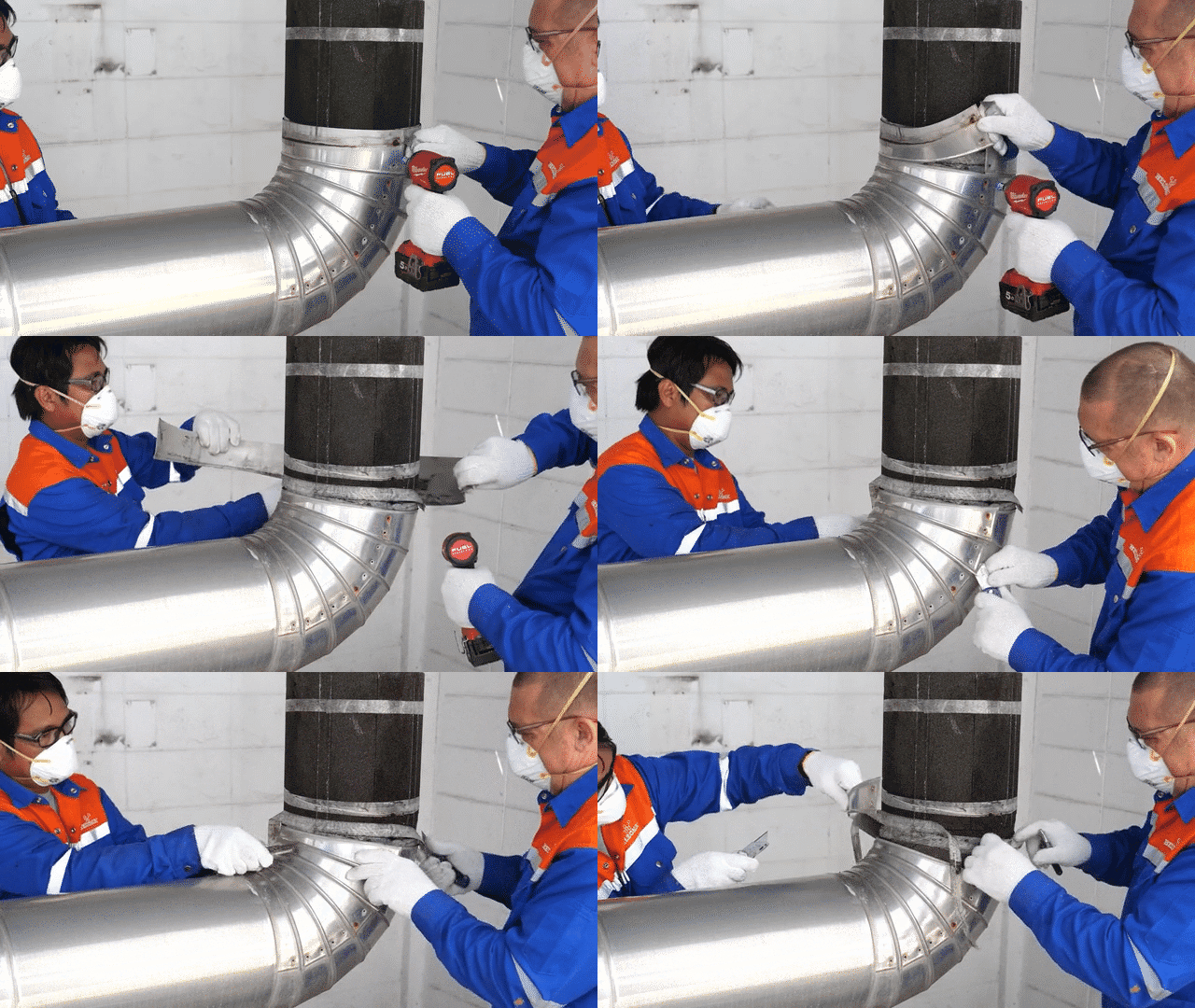
Remove the outer casing to expose the affected area. Inspect fastenings and replace where necessary to ensure long-term corrosion prevention once the casing has been reinstated.
Step 2: Remove the Insulation
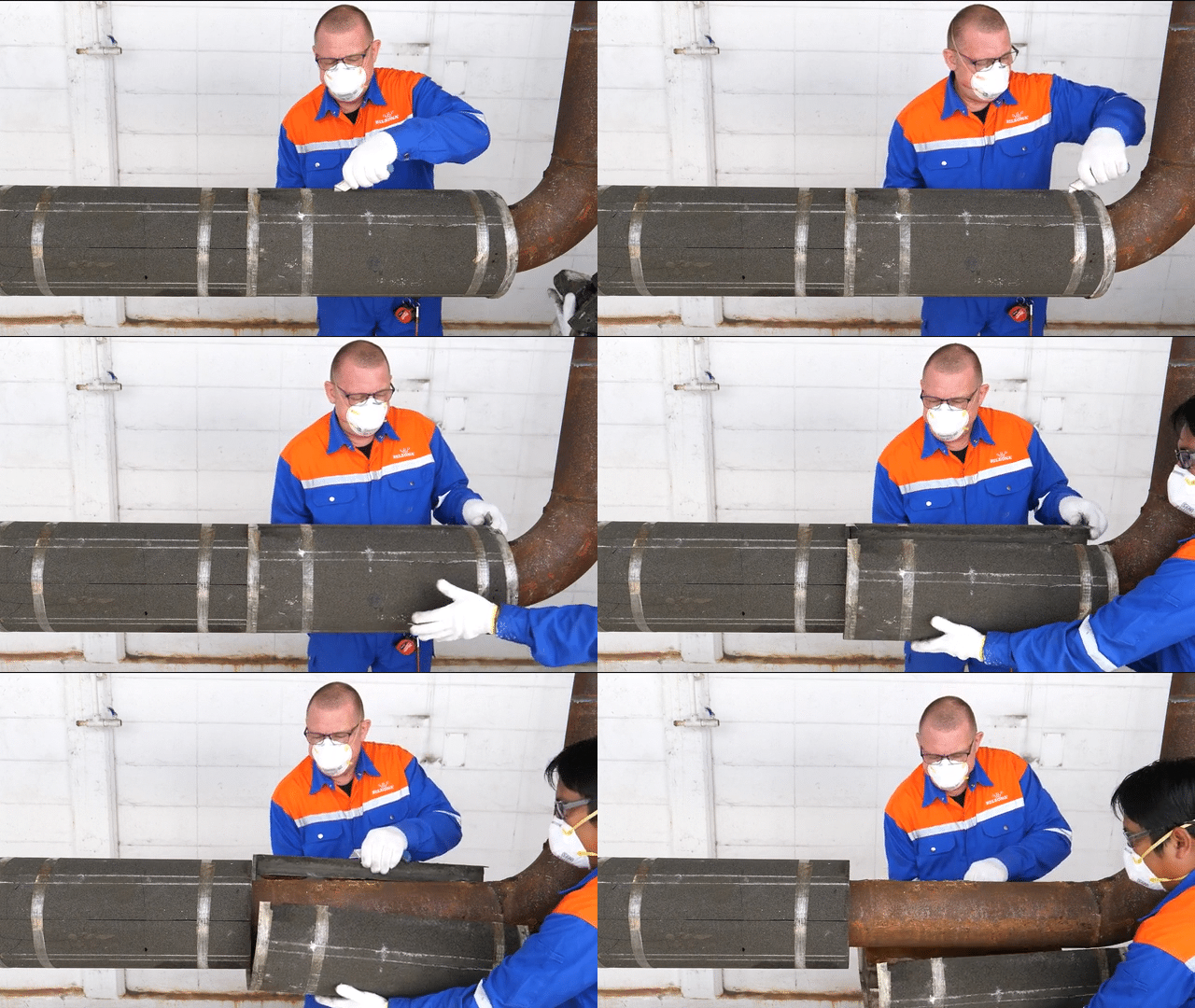
Carefully remove the insulation material.
- Wet insulation may be dried and reused
- Contaminated insulation should be replaced
This step is critical to fully expose areas affected by external corrosion and assess the extent of damage.
Step 3: Remove Loose Corrosion and Contaminants
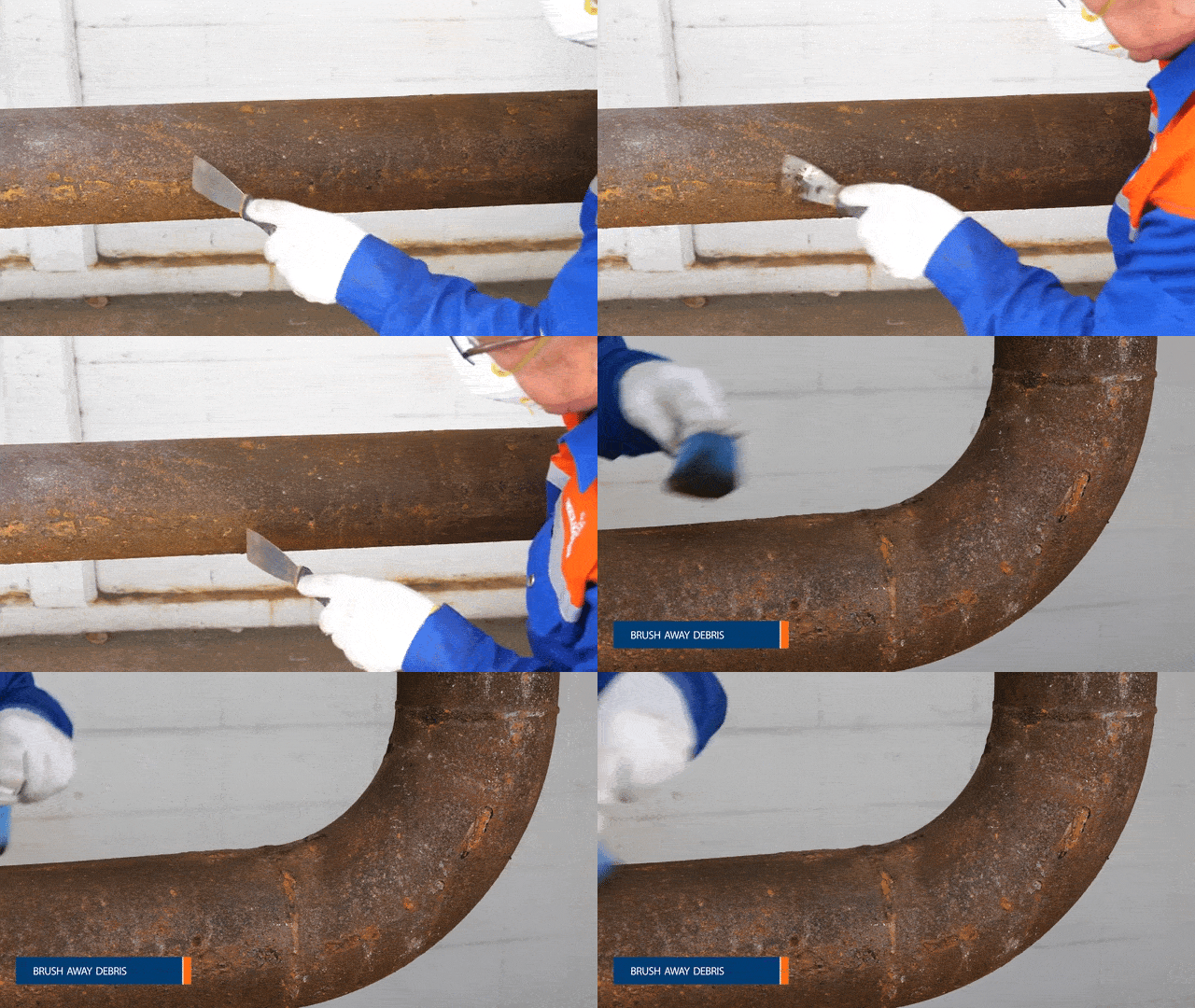
Remove all loosely adherent corrosion using a scraper, then use a brush to remove remaining debris. Proper surface preparation is essential for good adhesion and successful pitted metal repair.
Step 4: Check Substrate Temperature
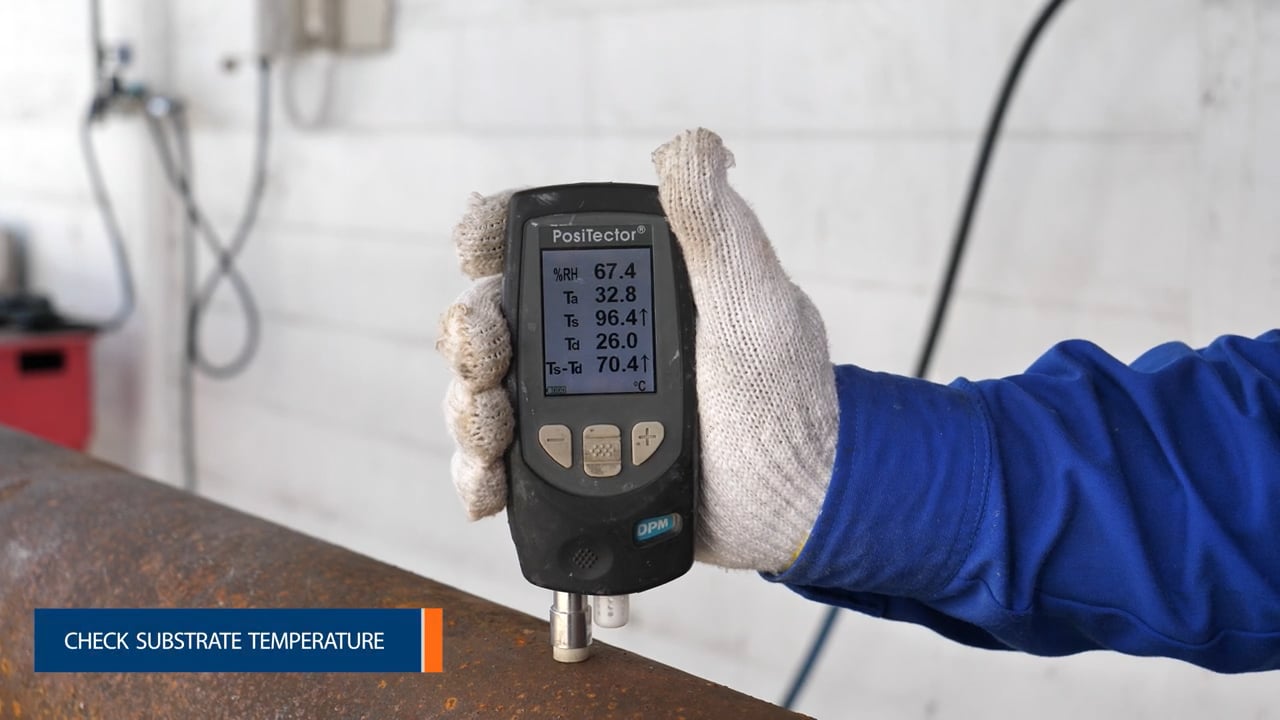
Ensure the substrate temperature is between 70–150°C (158–302°F), suitable for high-temperature industrial protective coatings and repair materials.
Step 5: Prepare the Surface
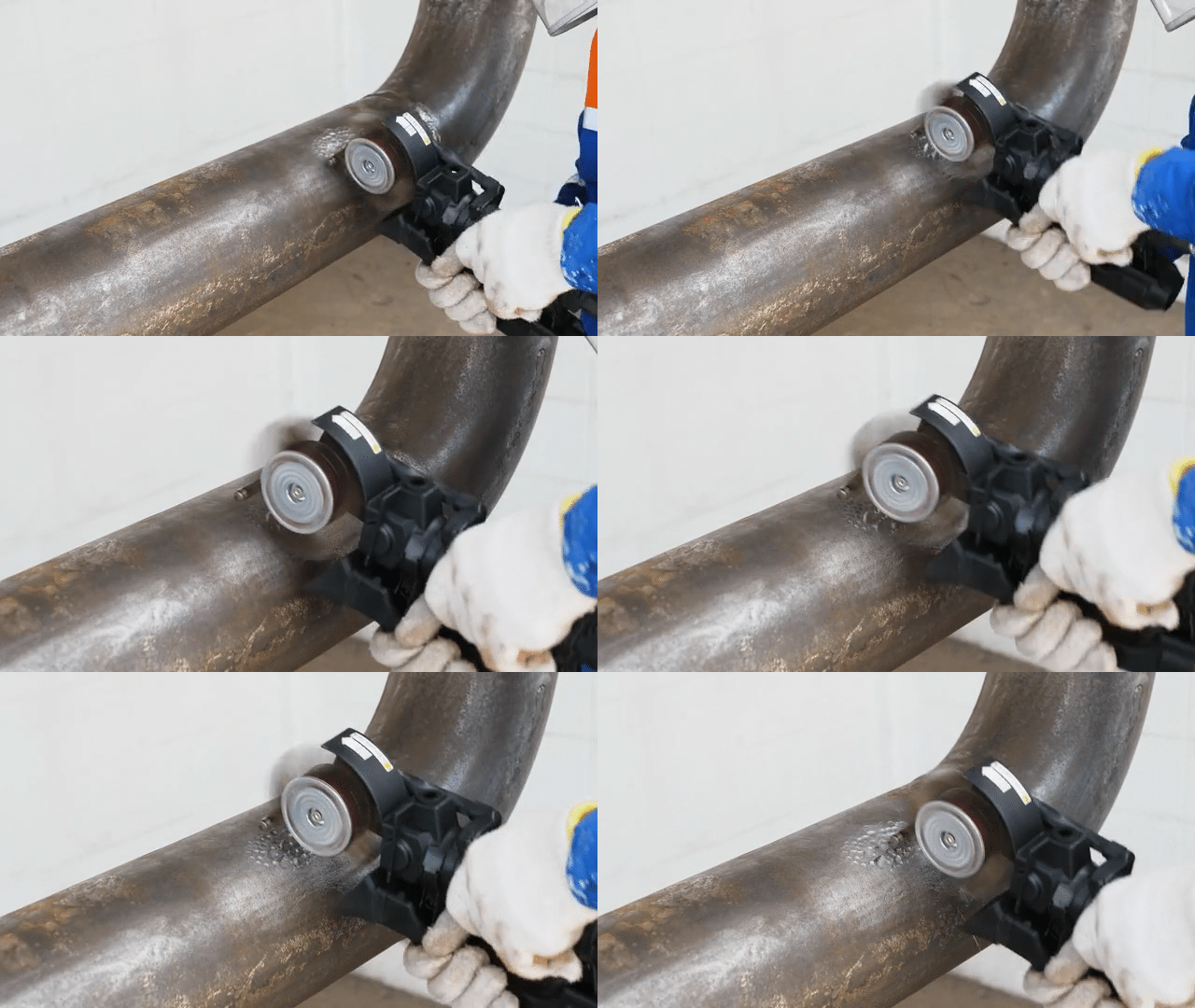
Prepare the surface to achieve optimal adhesion:
- Grit blasting is recommended where possible
- Alternatively, use power tools to achieve SSPC-SP15
Clean the surface using Belzona 9111 (Cleaner/Degreaser) to remove any contaminants before beginning the application.
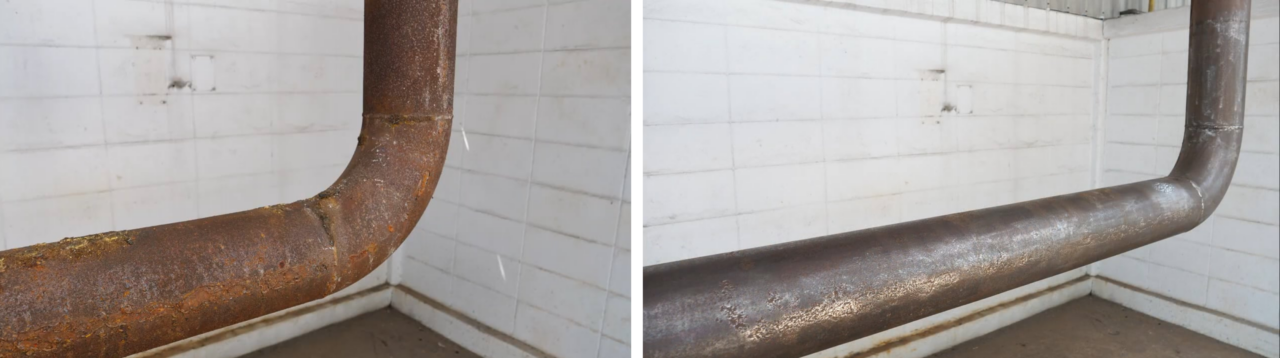
Step 6: Rebuild the Corroded Area
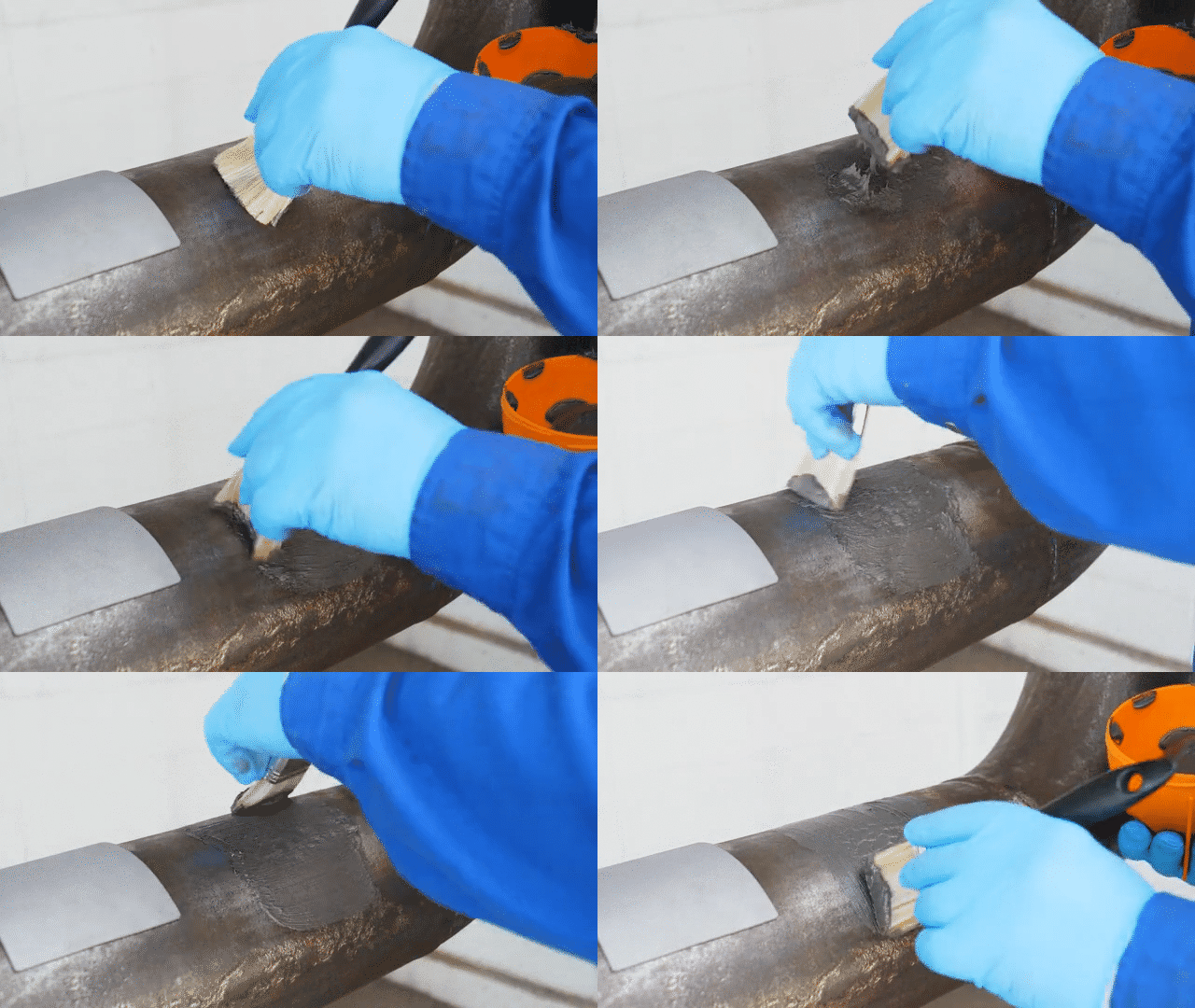
Apply Belzona 1251 (HA-Metal) to rebuild areas affected by corrosion and pitting.
- Apply directly onto hot surfaces, ensuring the substrate temperature is between 70–150°C (158–302°F), the required range for the application and cure of Belzona 1251 (HA-Metal)
- Work into pits and defects
- Bond reinforcement plates where required
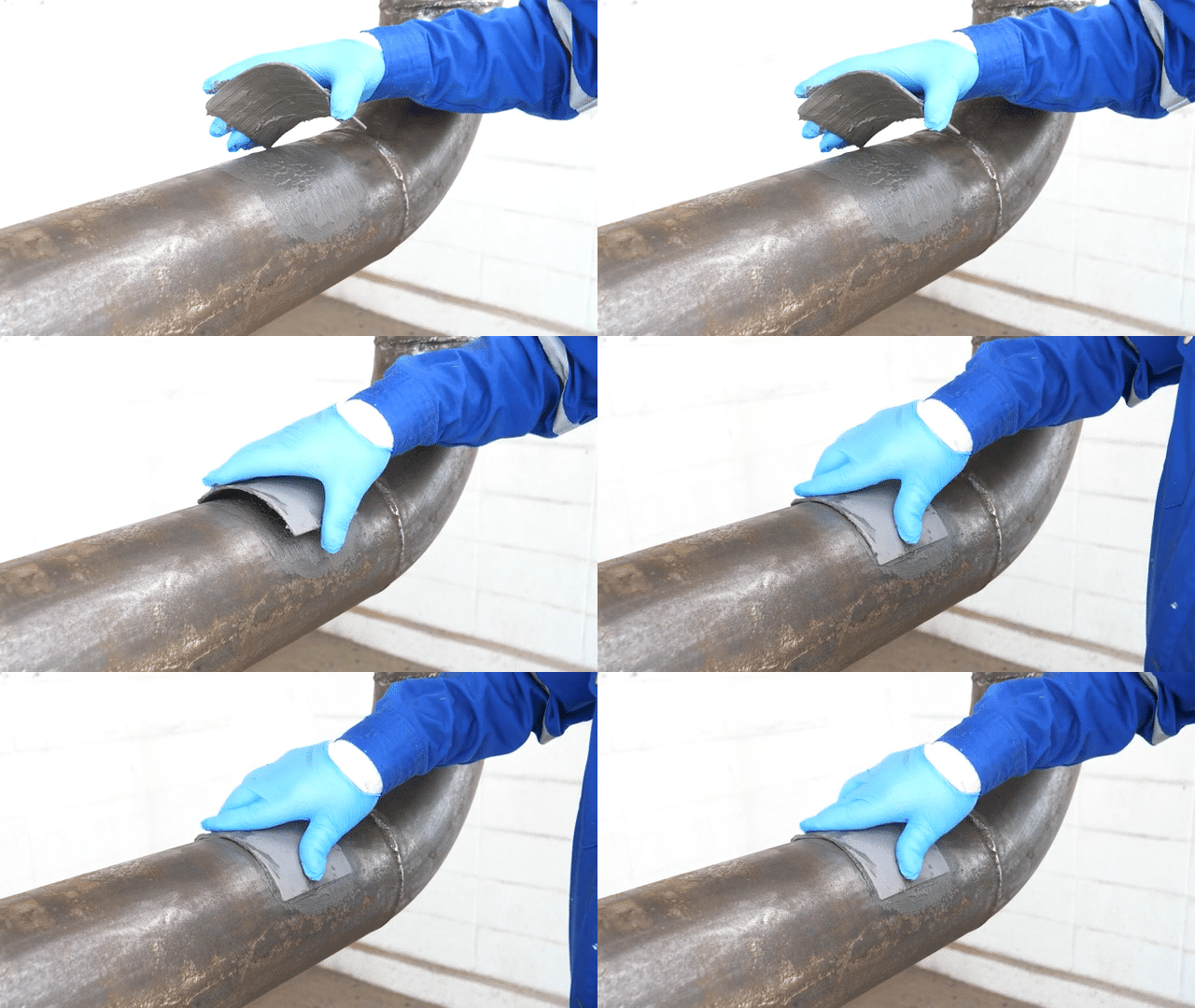
This step is essential for effective pitted metal repair, restoring the pitted areas to the original surface profile of the asset. Surfaces rebuilt with Belzona 1251 (HA-Metal) can then be overcoated for long-term protection using a CUI coating.
Step 7: Apply Corrosion Protection Coating
Apply Belzona 5851 (HA-Barrier), a high-performance corrosion protection coating designed for application directly onto hot surfaces.
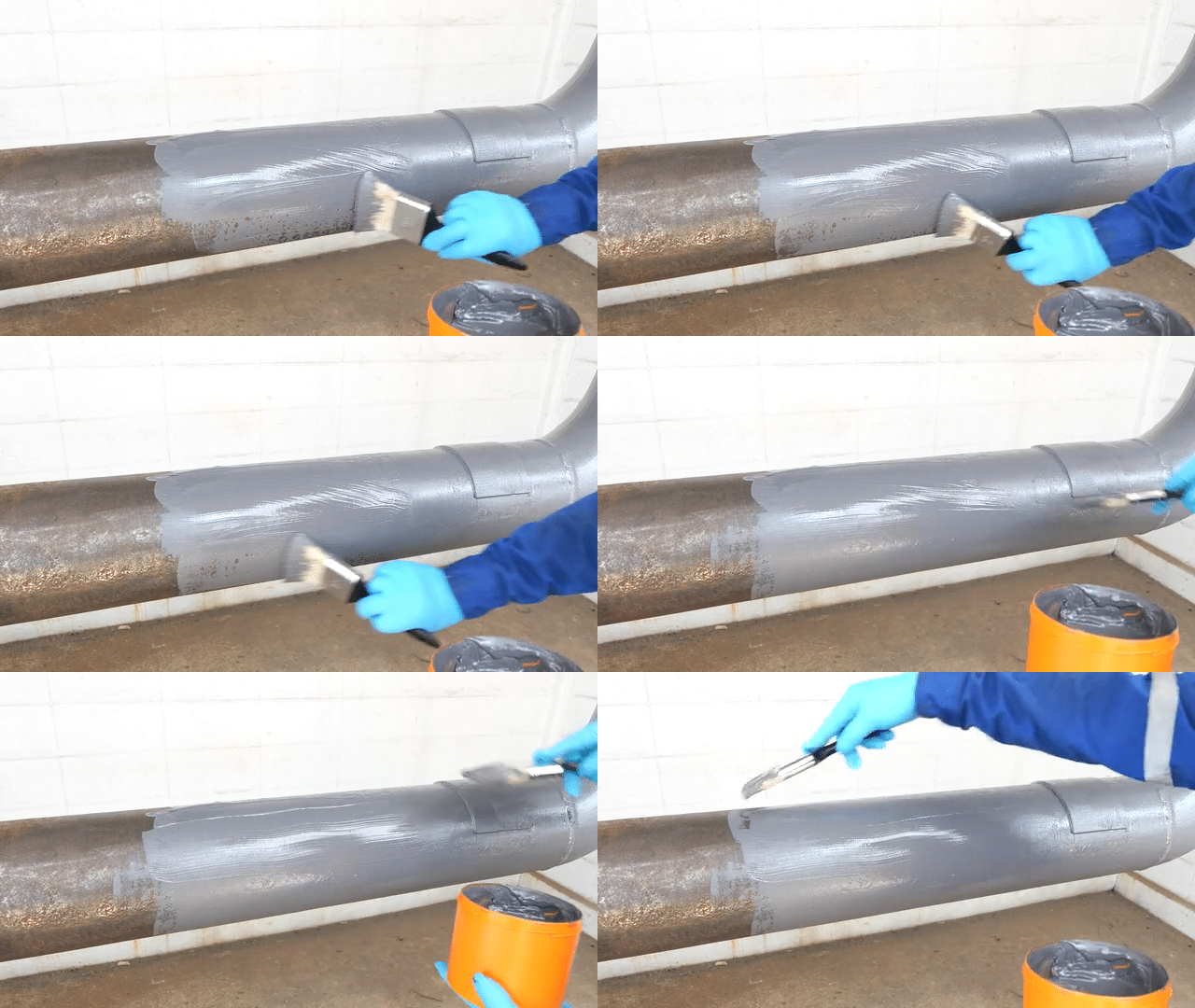
- Ensure the substrate temperature is within 70–150°C (158–302°F)
- Apply evenly using a short, stiff-bristled brush
- Ensure full coverage of the prepared area
This anti-corrosion coating forms a durable barrier, preventing moisture ingress and providing long-term protection against corrosion under insulation.
Step 8: Check Film Thickness
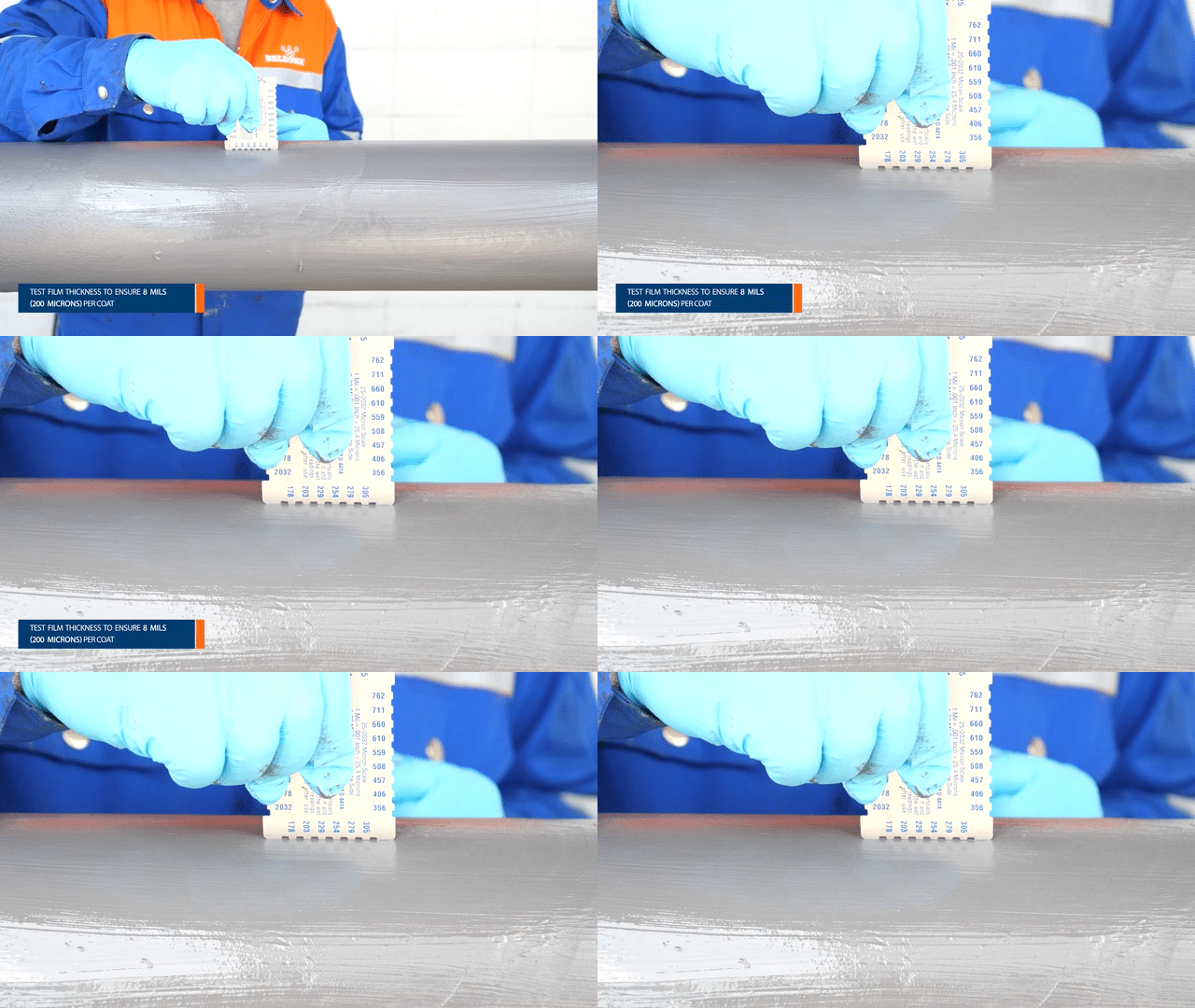
Use a wet film thickness gauge to confirm:
- 8 mils (200 microns) per coat
Correct thickness is essential for the performance of corrosion protection coatings in demanding environments.
Step 9: Apply Second Coat of Belzona 5851 (HA-Barrier)
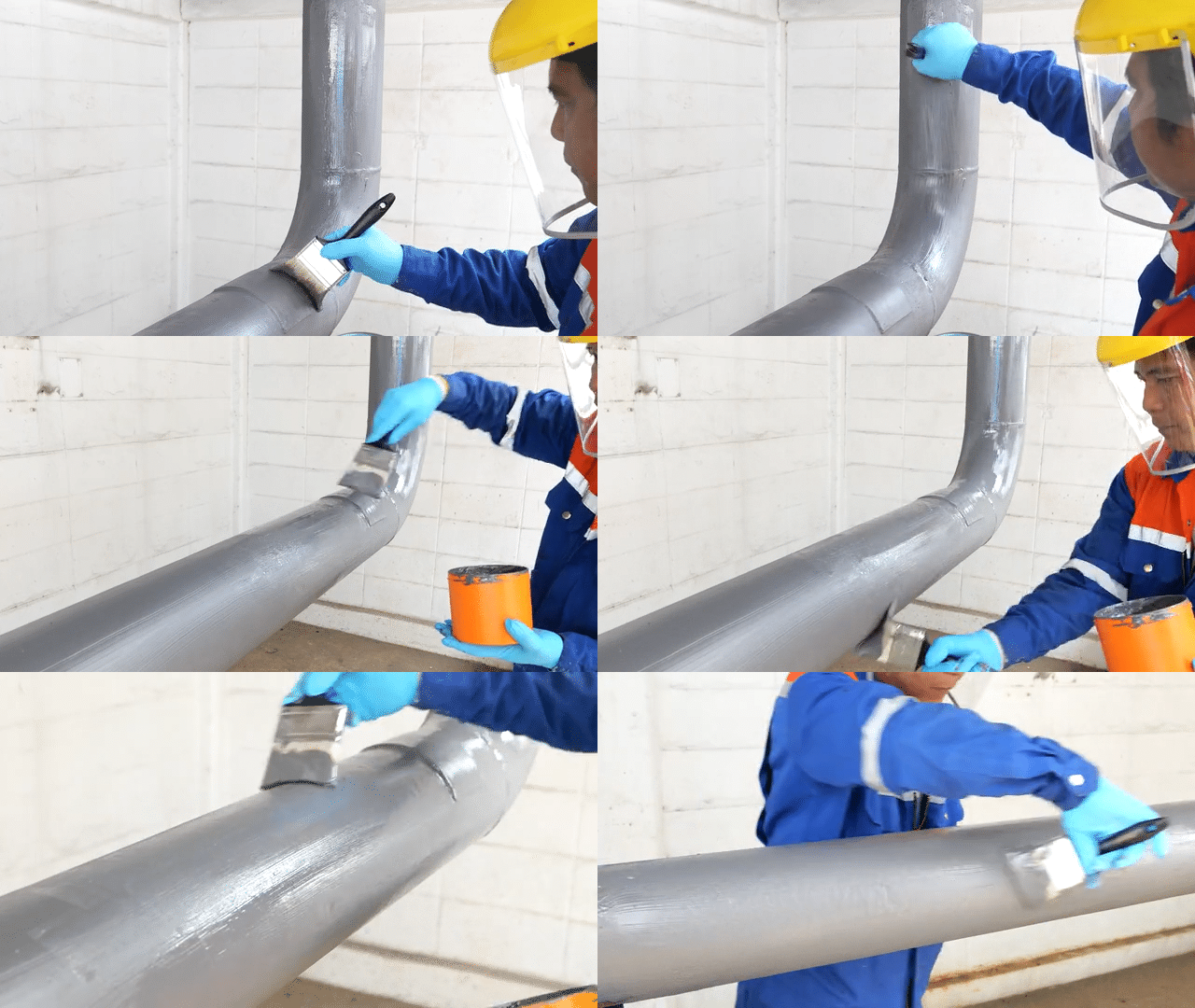
Apply a second coat of Belzona 5851 (HA-Barrier) within the overcoat window to build system thickness and durability.
- Apply evenly across the full surface area
- Use a wet film thickness gauge to confirm 8 mils (200 microns) per coat
This ensures the CUI coating system achieves the required performance for long-term protection against corrosion under insulation.
Step 10: Reinstate Insulation and Cladding
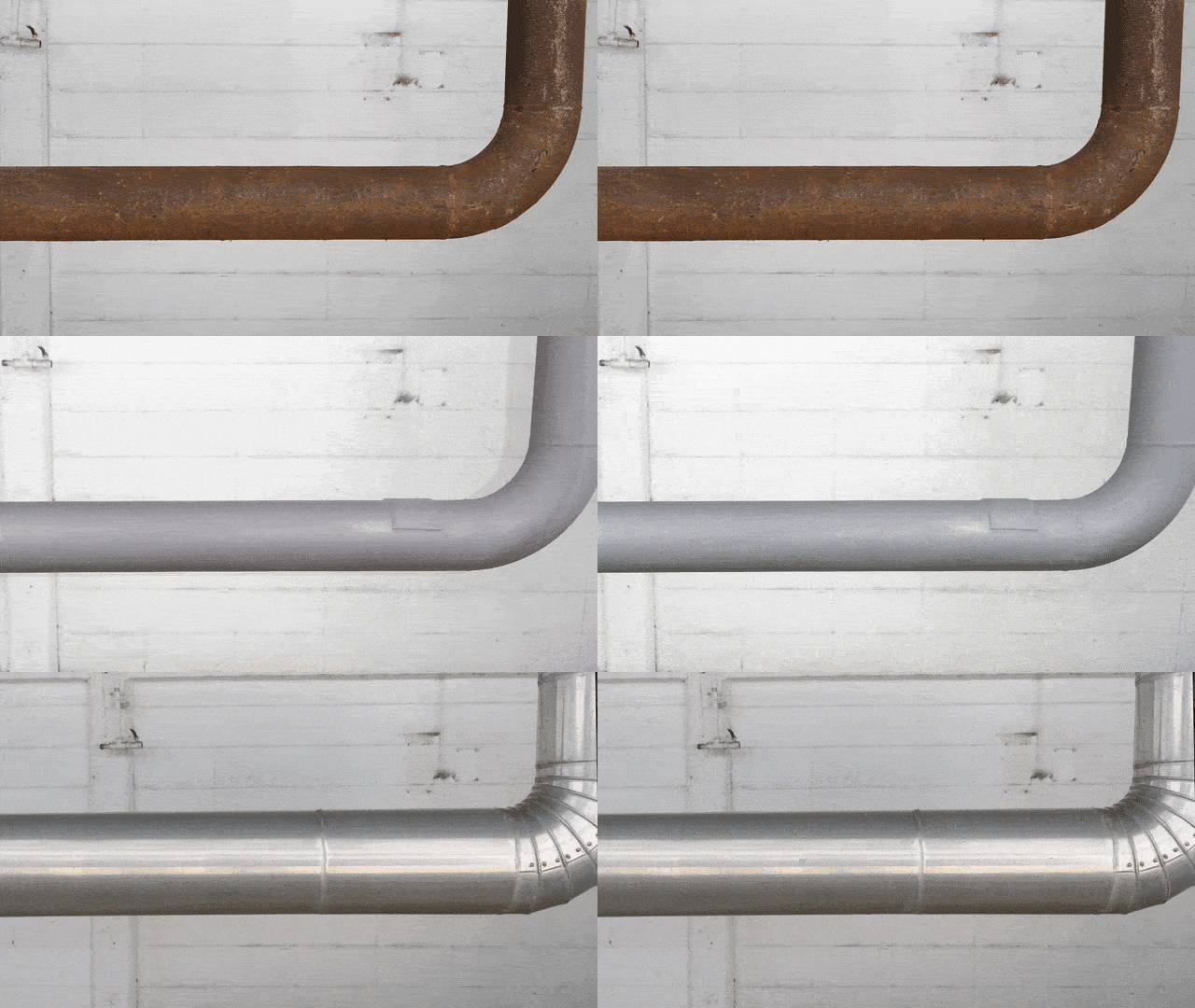
Once cured:
- Replace insulation
- Reinstall cladding
With the industrial protective coatings system in place, the asset is now protected against future corrosion under insulation.
By combining effective pitted metal repair with advanced corrosion protection coatings, it is possible to not only restore damaged assets but also implement a long-term corrosion prevention strategy for pipework operating under insulation.
Frequently Asked Questions
Can corrosion under insulation be repaired without shutdown?
Yes. Using heat-activated materials and anti-corrosion coating systems, repairs and corrosion protection can be carried out directly on operating equipment.
What is the best coating for CUI?
High-performance CUI coating systems designed for hot surfaces are ideal, as they provide both corrosion protection and resistance to moisture ingress.
Why does CUI cause pitting?
Trapped moisture creates localised corrosion cells, leading to aggressive attack and deep pits, requiring specialised pitted metal repair solutions.
How can I prevent corrosion under insulation?
Effective corrosion prevention includes proper sealing, regular inspection, and the use of high-quality corrosion protection coatings designed for insulated systems.
Learn More
Want to Learn More About Solutions for CUI?
Click to find a distributor near you.

Content Creator, Belzona Inc., Harrogate, UK.
Responsible for writing a range of content including blog posts, press releases and a range of marketing material.