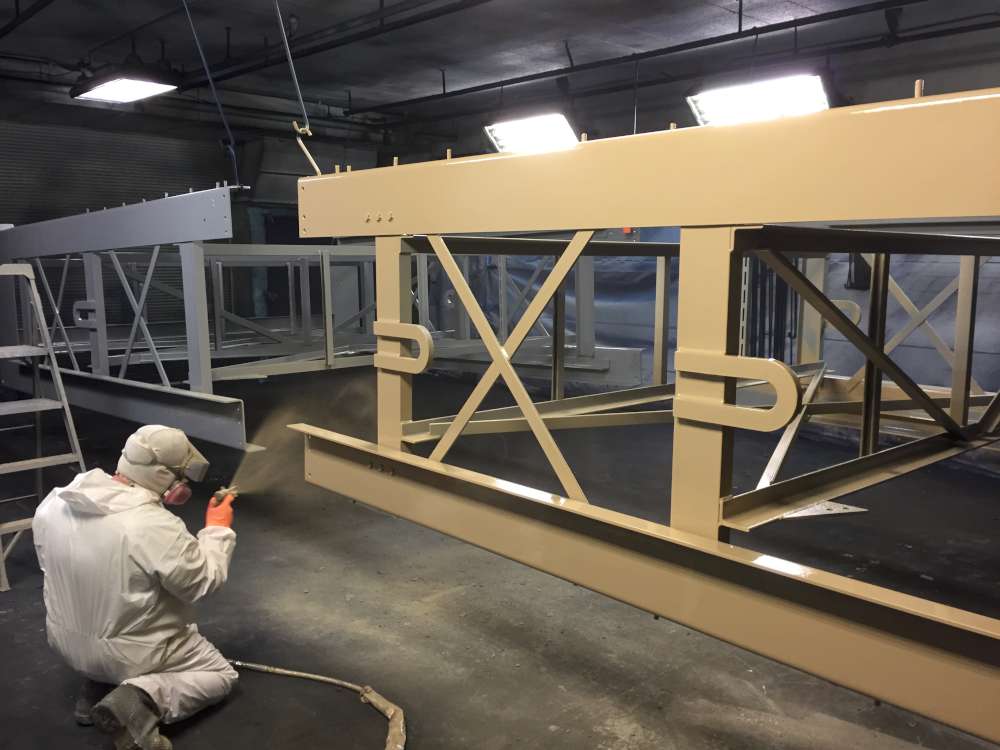
In 2017, a Nuclear Power Plant in New England, US, required long-term corrosion protection for newly fabricated carbon steel traveling screens operating in continuous saltwater immersion service.
Following an inspection from Belzona representatives from Rumford Industrial Group, the epoxy coating, Belzona 5811 (Immersion Grade), was selected due to its proven performance in immersed environments. Following the success of the initial application, a second set of screens was later completed using the same solution.
Protective Coating Required to Protect Assets From Corrosion Damage
Nuclear power plant components operating in immersed saltwater environments face some of the harshest corrosion conditions encountered in heavy industry. Constant exposure to moisture, chlorides and oxygen can rapidly deteriorate unprotected carbon steel assets, leading to corrosion damage, costly repairs and operational disruption.
At a Nuclear Power Plant in New England, newly fabricated traveling screens were required for service within the Plant’s water intake system. The traveling screens play an important operational role by acting as a barrier that prevents debris and aquatic life from entering the pumps, making long-term reliability and asset integrity critical.
The facility initially considered manufacturing the traveling screens from stainless steel. However, the high cost associated with stainless steel screens created a significant financial challenge. Instead, the decision was made to manufacture the screens from carbon steel and apply a high-performance protective coating system capable of providing long-term corrosion protection in continuous saltwater immersion service.
Specification of Epoxy Coating, Belzona 5811 (Immersion Grade)
Following a meeting with Belzona representatives from Rumford Industrial Group, the project team selected the epoxy coating, Belzona 5811 (Immersion Grade), as the protective system for the new carbon steel traveling screens.

Commenting on this specification, Jim Rumford, Founder and President of Rumford Industrial Group said: “Belzona 5811 (Immersion Grade) is specifically designed for immersed environments and provides excellent corrosion protection for metal surfaces exposed to saltwater. Applied directly onto the carbon steel substrate, the coating forms a durable barrier that isolates the steel from the corrosive environment. The solution offers a practical balance of long-term performance, durability and reliability, while allowing the facility to benefit from the lower cost of carbon steel.”
Application of Anti-Corrosion Coating
An initial application was carried out on one set of screens. The surfaces were prepared and coated with two coats of Belzona 5811 (Immersion Grade). The application process took approximately three weeks to complete and was carried out in accordance with the relevant Belzona system leaflet.
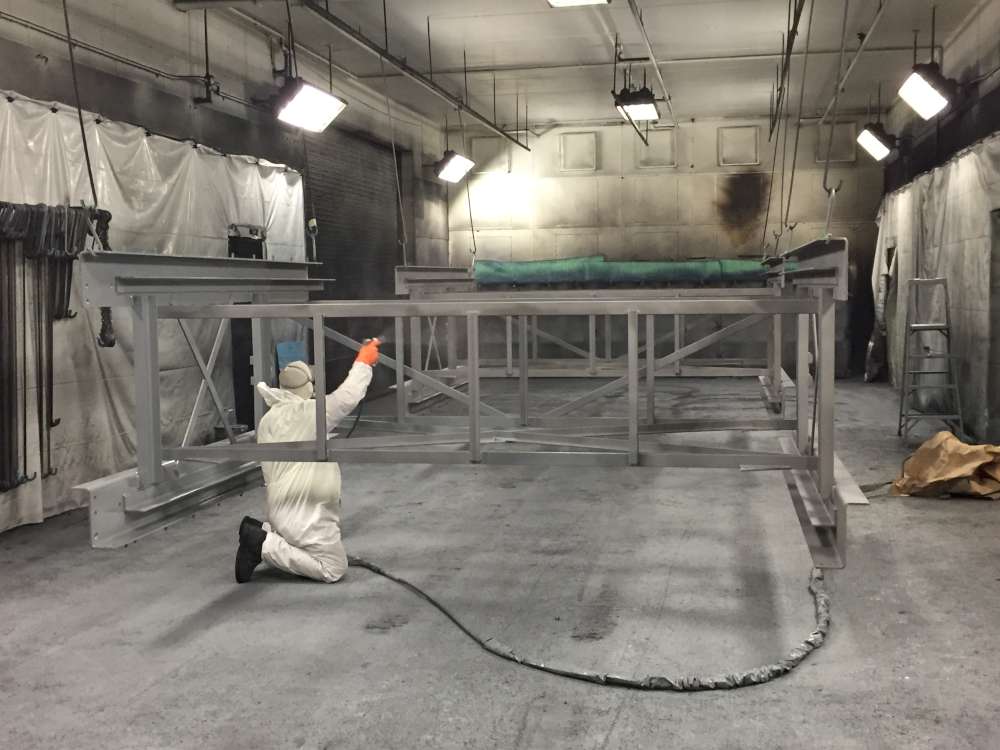
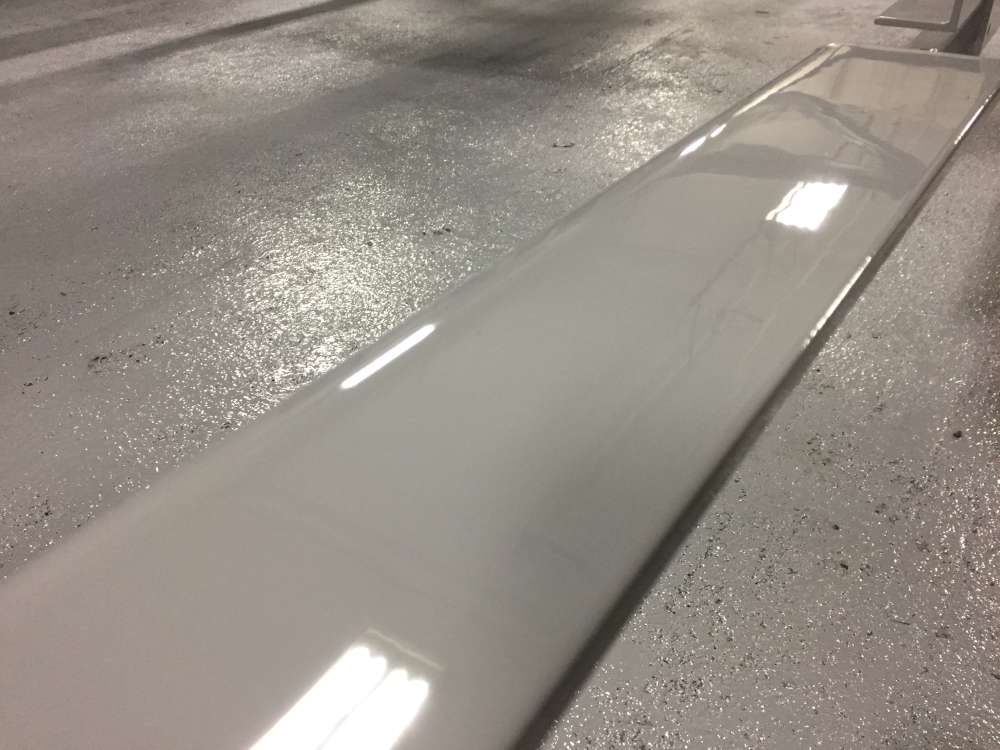
Following the success of the initial project and the Client’s satisfaction with the performance of the system, a second set of screens was completed later that same year using the same application methodology.
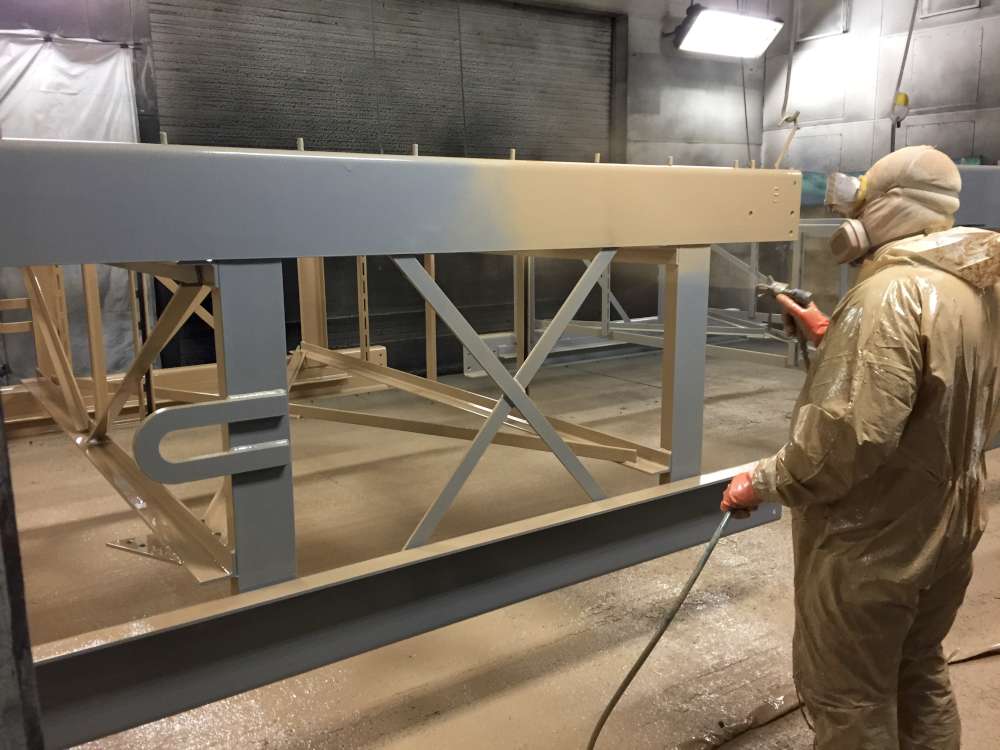
Traveling Screens Protected Against Corrosion Damage for the Long-Term
The completed applications delivered the long-term corrosion protection required for the Plant. The Belzona system successfully protected the traveling screens while allowing the facility to benefit from the lower cost of carbon steel.
The long-term durability of the solution proved particularly significant. The traveling screens remained in excellent condition until the closure of the plant in 2024, demonstrating that the coating system continued to perform effectively for several years after the original application. This outcome highlights how effective corrosion protection strategies can support long-term nuclear power plant efficiency by improving equipment reliability and reducing maintenance requirements.
Frequently Asked Questions
What are the signs of corrosion damage on traveling screens?
Common signs include rust formation, pitting, coating breakdown, metal loss, and structural weakening. Early identification of these issues can help prevent more extensive repairs and unexpected downtime.
Why was carbon steel selected instead of stainless steel for the traveling screens?
Although stainless steel offers good corrosion resistance, it can significantly increase project costs. By using carbon steel combined with a high-performance protective coating system, the facility achieved both long-term corrosion protection and cost savings.
How does an epoxy coating protect carbon steel from corrosion?
Epoxy coatings create a protective barrier between the metal surface and the surrounding environment. This prevents moisture, oxygen, and chlorides from reaching the steel, reducing the risk of corrosion and extending asset service life.
What are the benefits of using protective coatings in nuclear power plants?
Protective coatings help reduce corrosion-related failures, lower maintenance costs, and improve equipment reliability. They also support longer asset lifecycles, helping facilities maximise the return on their infrastructure investments.
Learn More
Contact Your Local Distributor to Learn More About Belzona Solutions for Nuclear Power

Chloe Hirst is the Senior Copywriter at Belzona Limited and is based in Harrogate, England. She gained a Bachelor’s Degree (with Hons.) in Media and Communications (specialising in Journalism) at Goldsmiths College, University of London. Chloe regularly writes case studies and thought leadership content featuring a variety of different industries, with a special focus on the renewables sector. In both 2023 and 2024, she won the Best Manufacturing Content Creation Specialist (UK) Award as part of Acquisition International’s Influential Businesswoman Awards.