Why Maintenance Teams Choose Metal Repair Epoxies
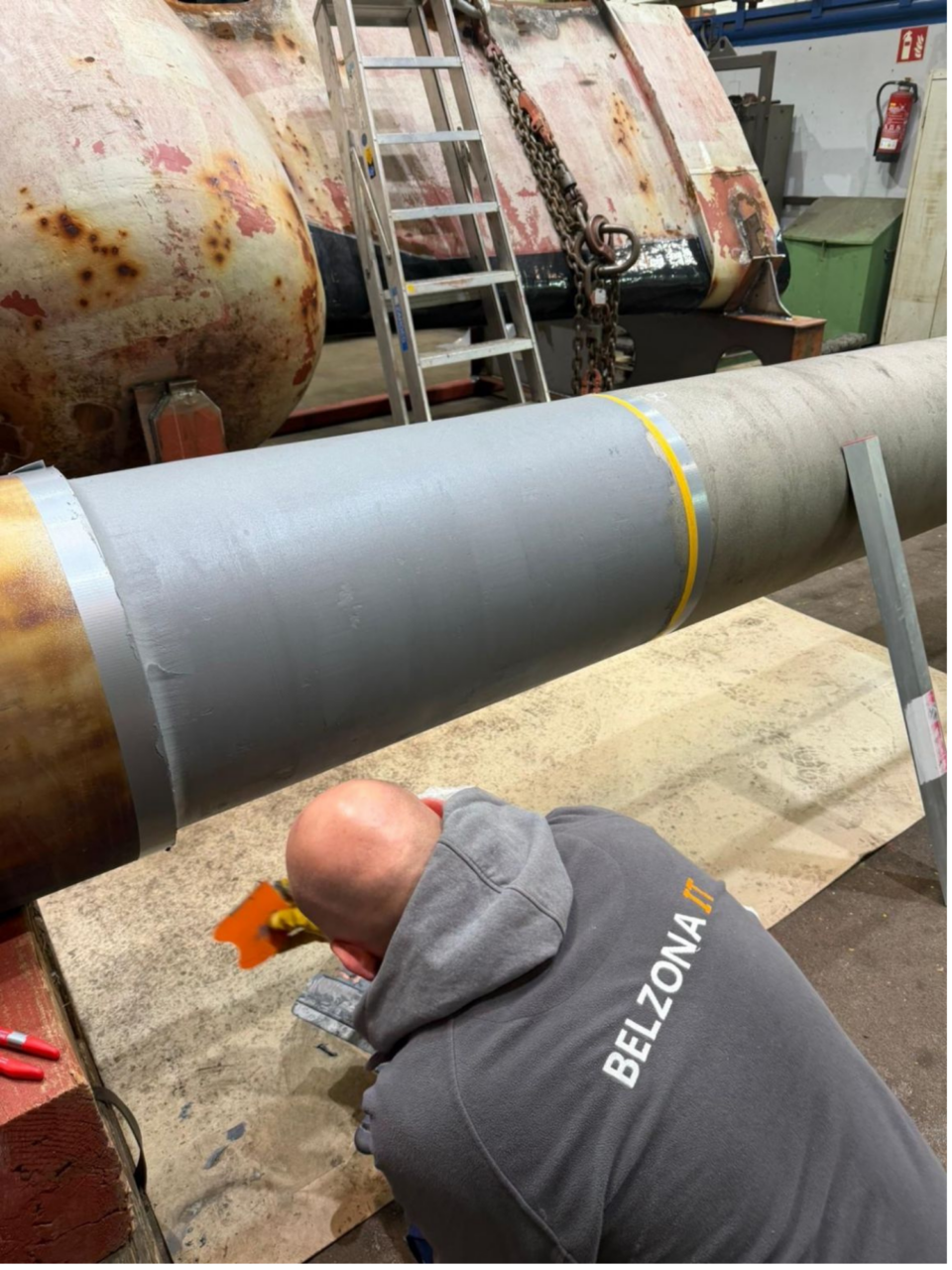
Rudder stock rebuilt with Belzona 1311 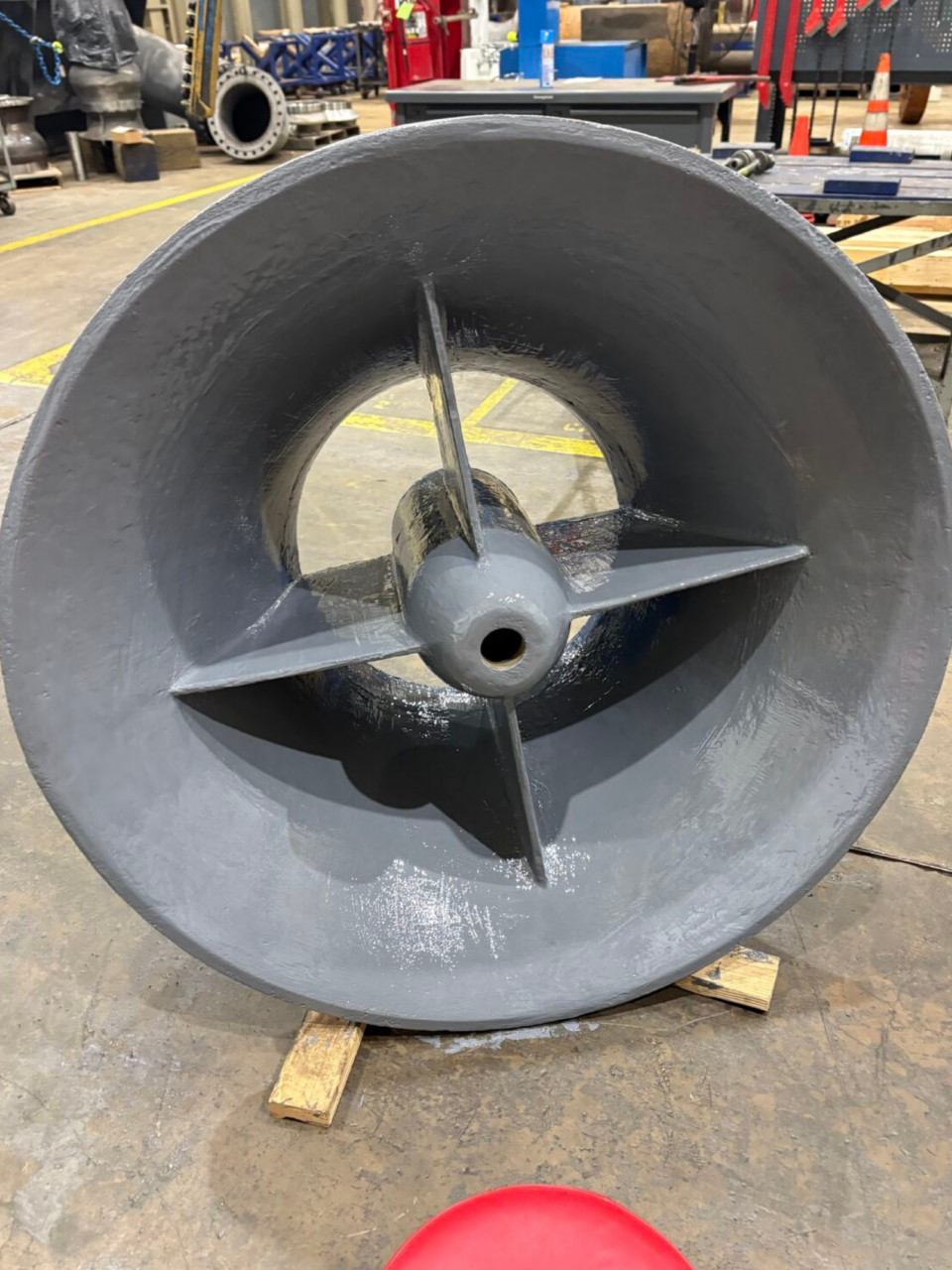
Pump rebult with metal repair epoxy 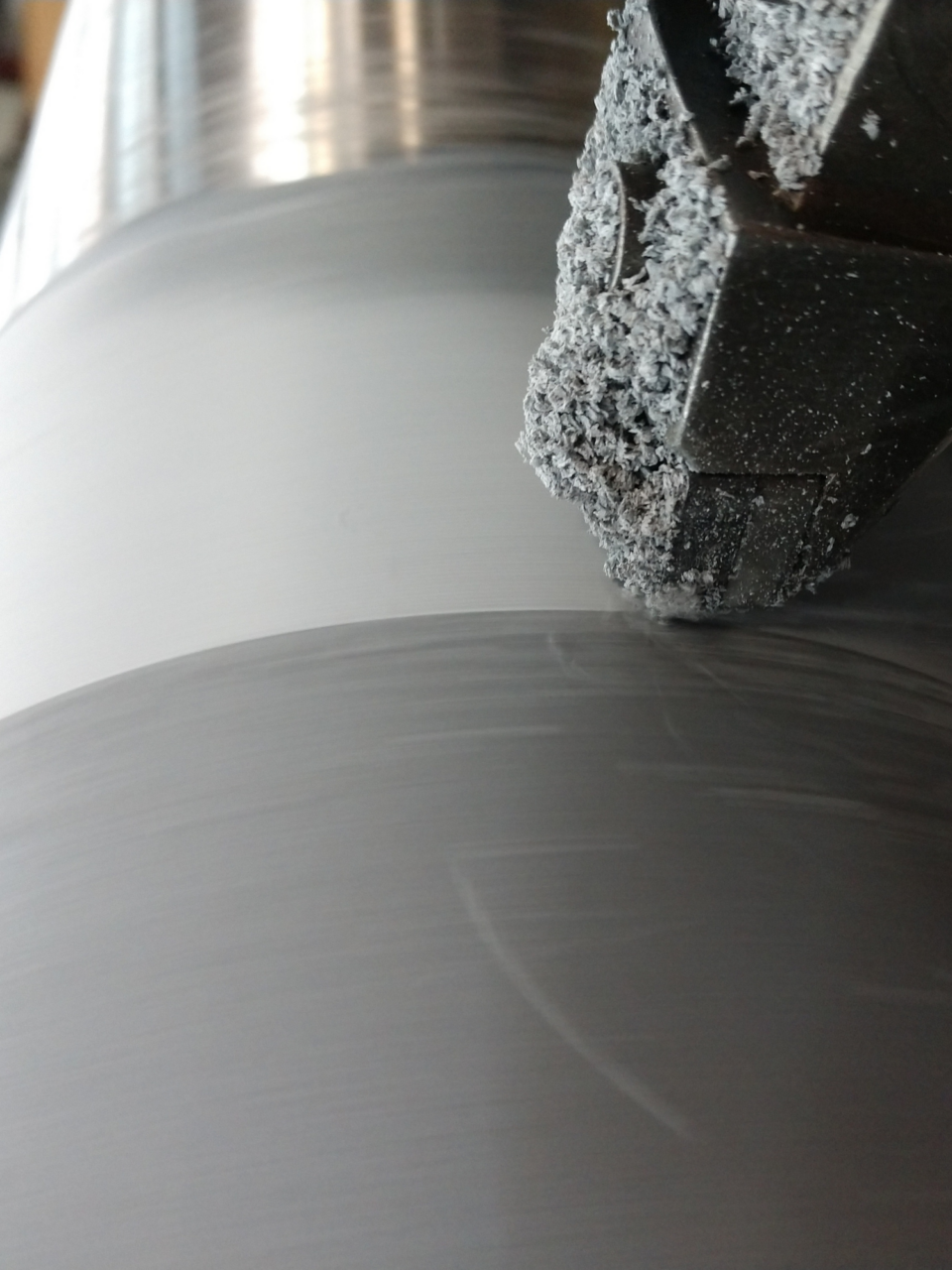
Shaft repair with Belzona
Replacing damaged industrial equipment is not always practical, especially when only localised areas are affected. As a simple and cost-effective alternative, epoxy metal repair solutions are widely used to rebuild worn metal surfaces and restore original equipment dimensions.
Traditional repair methods such as welding and metal fabrication are still suitable for certain structural repairs, particularly where large sections require rebuilding. However, these methods often involve extensive workshop processes including machining, drilling and milling, resulting in longer downtime and higher repair costs.
As a result, many maintenance teams turn to metal repair epoxy solutions as a faster, simpler and more cost-effective alternative for repairing corrosion, erosion and mechanical damage in situ.
What are Epoxy Metal Repair Composites?
Industrial metal repair epoxies are high-performance, two-part systems consisting of a base and a solidifier that chemically react when mixed together. Once cured, these materials form strong, durable bonds capable of rebuilding and protecting damaged metal equipment operating in aggressive industrial environments.
Unlike standard consumer adhesives, industrial metal repair epoxies are specifically engineered to withstand conditions such as corrosion, erosion, chemical attack, abrasion and elevated temperatures.
They are commonly used to repair and restore critical assets including pumps, valves, pipework, heat exchangers, shafts and tanks without the need for welding or component replacement.
Compared to welding or replacement, industrial epoxy metal repair composites can offer several advantages:
- No hot work requirements
- Reduced equipment downtime
- Excellent chemical resistance
- High compressive strength
- Easier application in difficult environments
- Long-term performance
Learn more about metal repair at Corrosionpedia.
Choosing the Right Epoxy Metal Repair Composite
Choosing the right epoxy metal repair composite can significantly extend equipment life, reduce downtime and eliminate the need for costly replacement or welding.
However, not all metal repair epoxies are designed for the same operating conditions. Some are better suited for emergency repairs, while others are engineered for high temperatures, erosion resistance or chemical exposure environments.
This guide explains which Belzona epoxy metal repair solution is best to use depending on the type of damage and operating environment.
Epoxy Metal Repair Composites for Different Applications
General Metal Repairs
Belzona 1111 (Super Metal) is widely used for general-purpose rebuilding and repair of damaged metal equipment. This versatile metal repair epoxy is ideal for rebuilding shafts, pipes, pumps, flanges and cracked equipment components.
For larger applications requiring more working time, Belzona 1121 (Super XL-Metal) provides extended working life, allowing maintenance teams to complete complex repairs more efficiently.
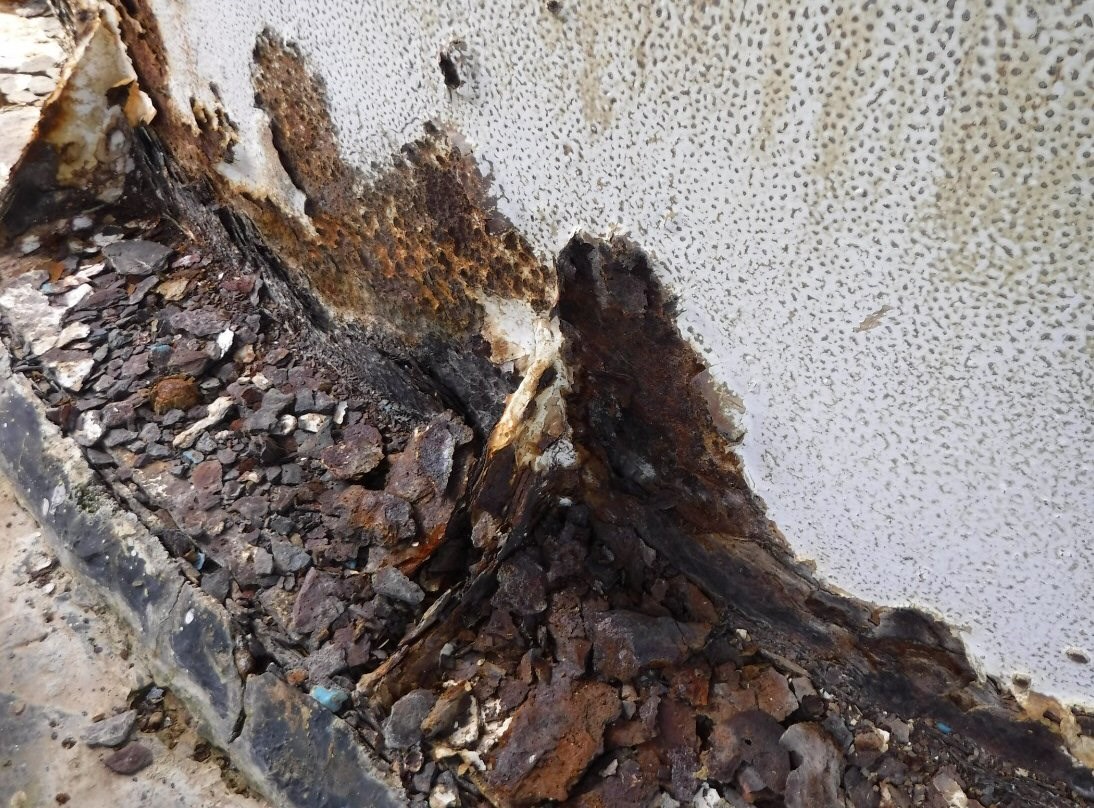
Extreme corrosion on tank base 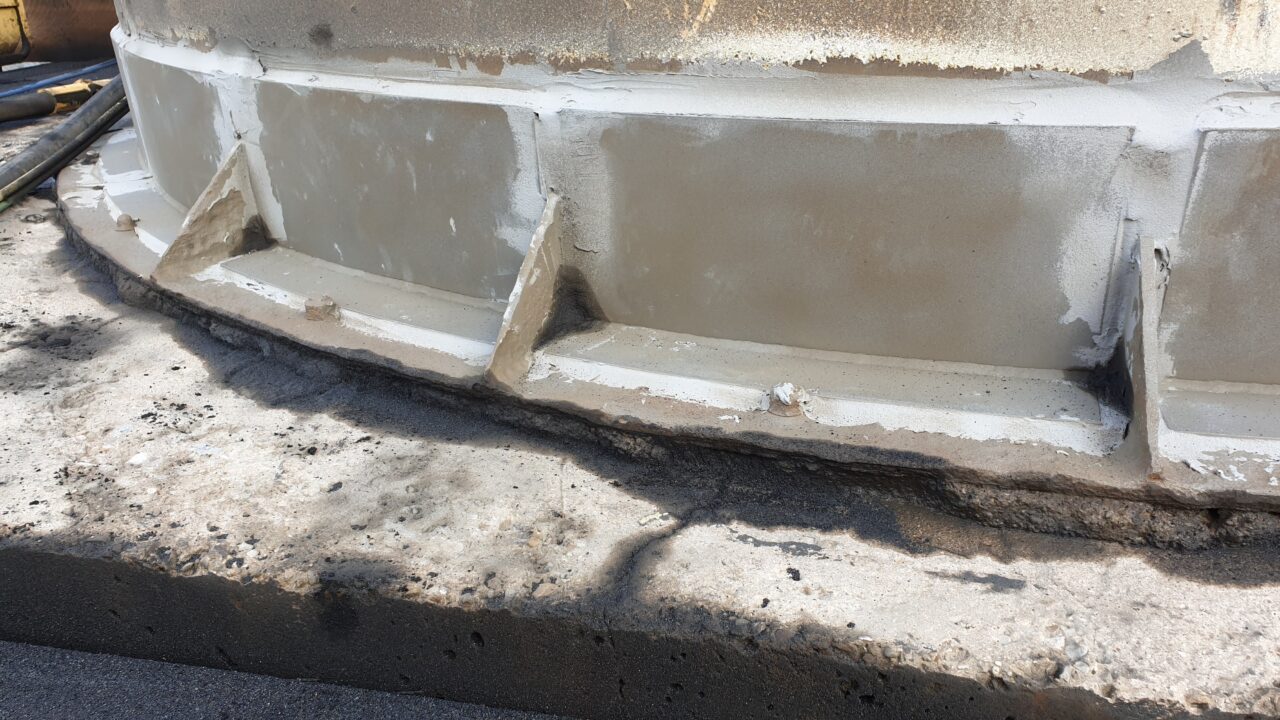
Belzona 1121 (Super XL-Metal) Used to bond plates on damaged area
Low Friction and Self-Lubrication Loss Protection
Belzona 1131 (Bearing Metal) is specifically designed for creating low-friction surfaces and protecting lubrication systems from wear and seizure during lubrication loss. This makes it widely useful for:
- Rebuilding worn shafts at bearing locations
- Repair and efficiency increase of mechanical equipment including pump rotating elements
- Repair and creation of plain bearings
- Creation of bushings
- Sliding low friction wear layers for pipe supports
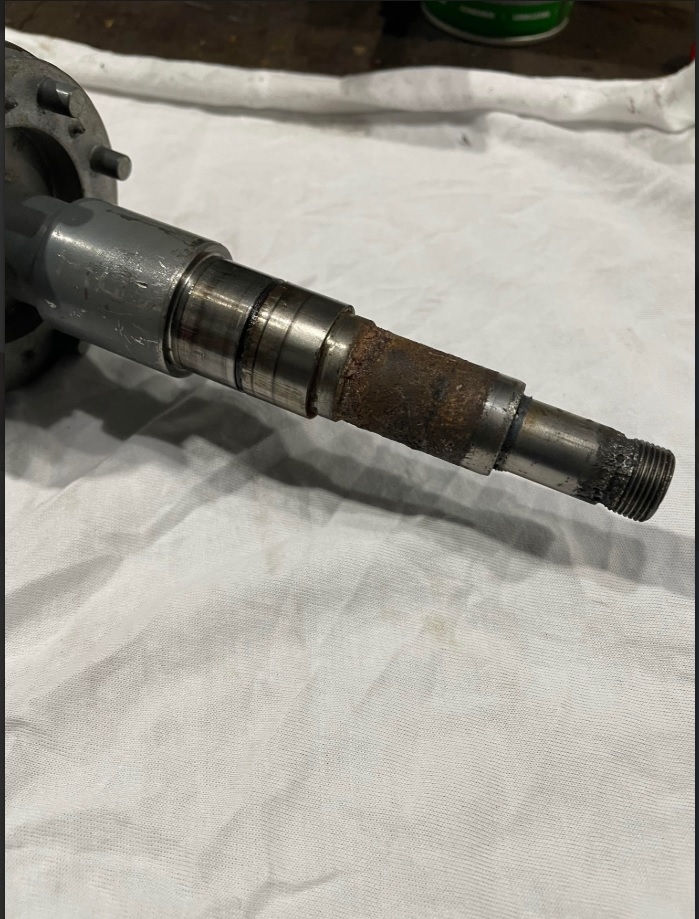
Damaged pump shaft 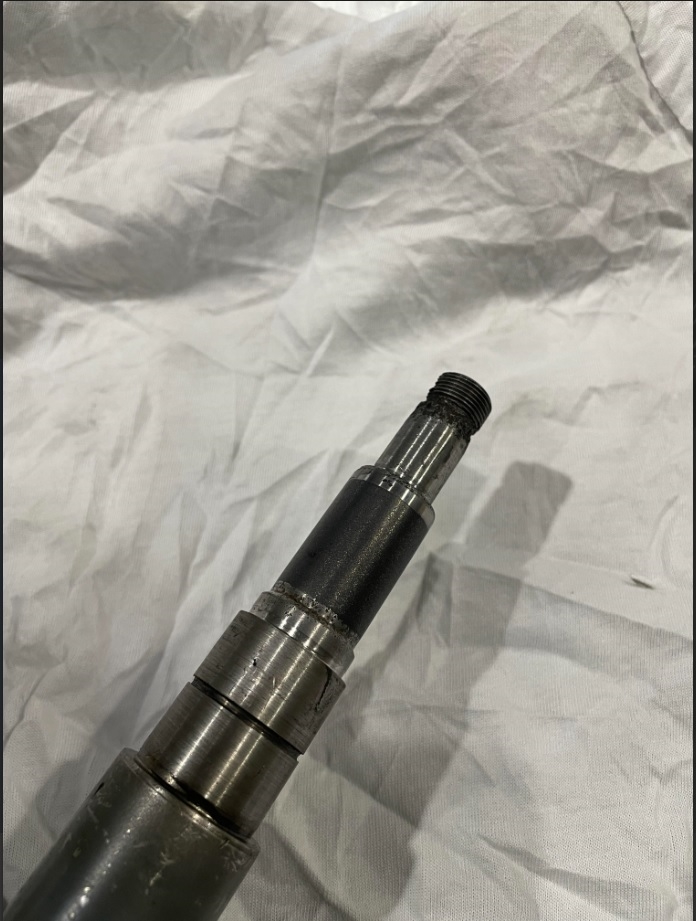
Belzona 1131 (Bearing Metal) used to rebuild the shaft
Wet and Oil-Contaminated Surfaces
Surface contamination can often make equipment repairs difficult. Belzona 1161 (Super UW-Metal) is specifically designed for application onto wet and oil-contaminated surfaces where conventional epoxy repair for corrosion damage may struggle to adhere properly. This helps maintenance teams perform repairs without extensive shutdown.
Heat Activated Repairs
Belzona 1251 (HA-Metal) is designed for heat-activated situations where elevated temperatures assist curing performance. This makes it suitable for specific operational environments where conventional curing may be challenging. Learn how to repair CUI damage in the below post:
Emergency Repair Situations
For emergency situations where rapid return-to-service is required, Belzona 1212 and Belzona 1221 (Super E-Metal) are designed to be fast-curing. These materials are ideal when:
- Downtime must be minimised
- Emergency leaks occur
- Critical equipment requires immediate repair
- Fast-curing epoxy metal repairs can help reduce production losses during unplanned shutdowns.
Erosion Damage Protection
Where erosion damage is identified, Belzona 1311 (Ceramic R-Metal) provides high-performance erosion resistance. This material is commonly used to:
- Rebuild centrifugal and positive displacement pumps damaged by erosion and corrosion
- Pit fill and rebuild heat exchangers, water boxes and tube sheets
- Repair butterfly and gate valves, fans and kort nozzles deteriorated as a result of erosion, corrosion and cavitation
- Repair pipe elbows damaged by impingement
Its erosion-resistant properties help extend equipment life in aggressive flow conditions.
Read this post to see erosion resistant epoxies in action:
High Temperature Repairs
For elevated operating temperatures, Belzona 1511 (Super HT-Metal) is engineered for high-temperature repair applications. This solution is often selected for equipment exposed to:
- Hot process fluids
- Steam
- Thermal cycling
- Elevated operating environments
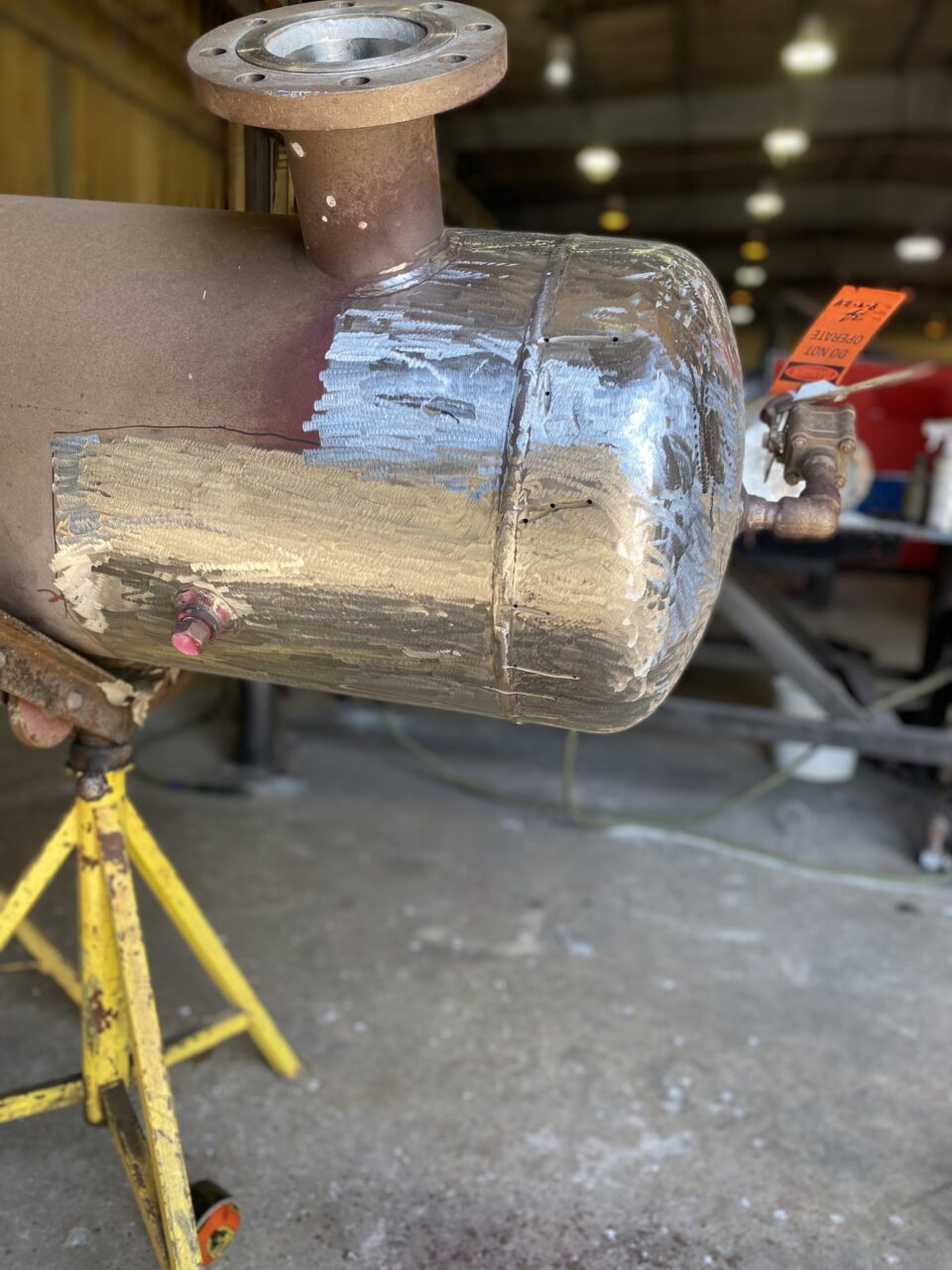
Process vessel suffering stress corrosion 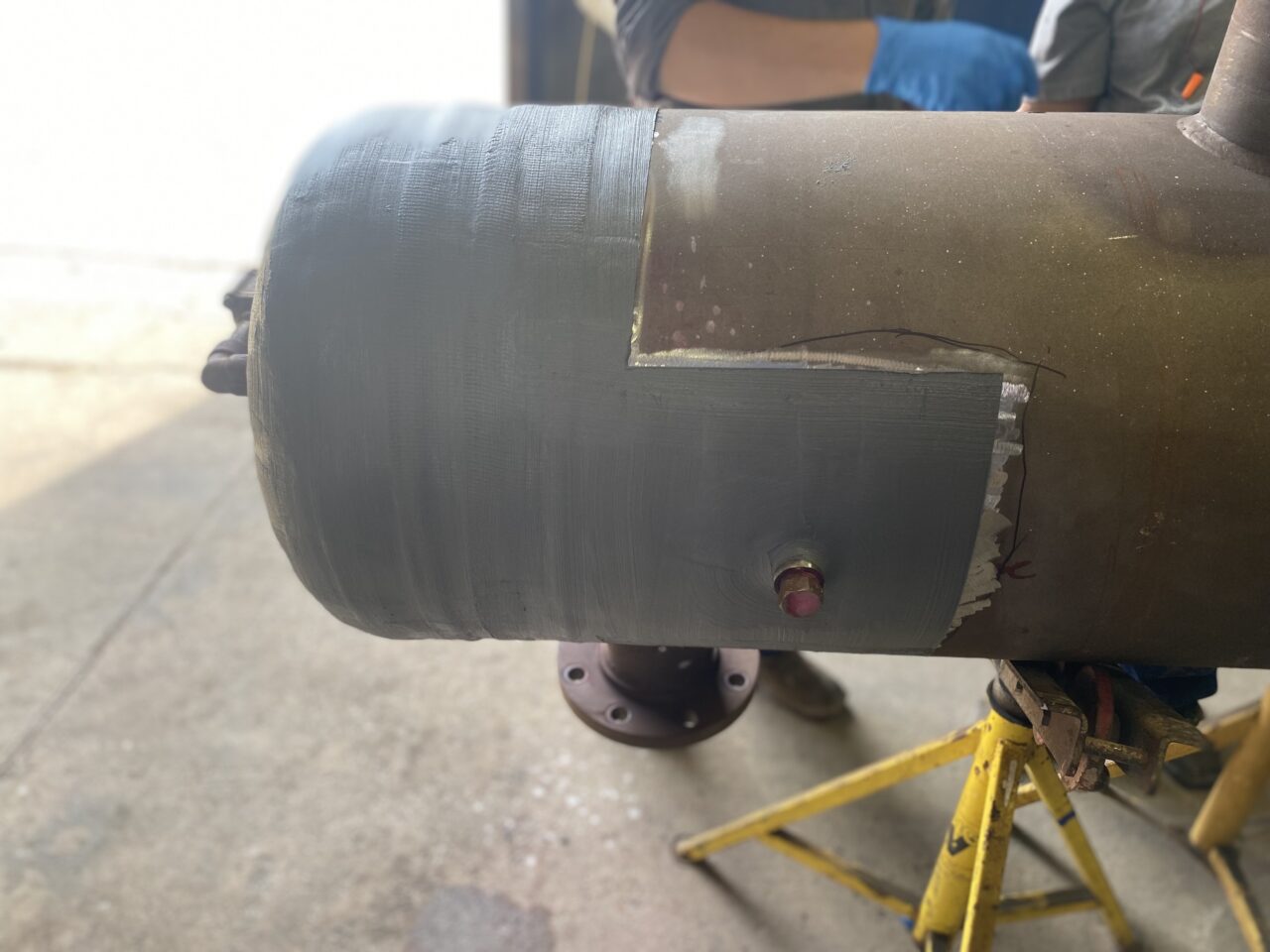
Repaired area with a reinforced Belzona 1511 (Super HT-Metal) system
Using the correct industrial epoxy repair composite for high-temperature service is critical for long-term reliability.
Read the following blog posts to learn more about high-temperature epoxies:
Finding the Right Metal Repair Epoxy for Your Application
Choosing the best epoxy metal repair composite depends on the operating environment, damage mechanism and repair objectives. Using the correct repair material can improve equipment reliability, reduce downtime and help avoid costly replacement.
Whether repairing corrosion damage, rebuilding worn equipment or responding to emergency breakdowns, selecting the right industrial epoxy repair compound is essential for long-term performance.
Frequently Asked Questions
What is a metal repair epoxy?
Industrial metal repair epoxies are high-performance repair materials used to restore damaged metal equipment. Available in both single- and two-component formulations, they cure to create strong, durable repairs that can rebuild damaged equipment and protect it from further deterioration in demanding industrial environments.
What types of metal repair epoxies are available?
Metal repair epoxy solutions include general-purpose rebuilding compounds along with specialised solutions developed for abrasion, corrosion, erosion, high temperatures, underwater repairs, and emergency maintenance applications. For almost 75 years, Belzona has specialised in industrial metal repair epoxies designed to help increase equipment life and simplify maintenance requirements.
Can you fix metal with epoxy?
Yes, metal can be repaired using epoxies. Metal repair epoxies are ideal for bonding to metal surfaces and rebuilding damage caused by corrosion, wear, erosion, cracks, or pitting.
They are commonly used to repair equipment such as engines, pumps, pipes, tanks, shafts, and heat exchangers, providing long-term protection while extending equipment life.
Metal repairs epoxies are popular because they can often be carried out in situ with minimal downtime and without the heat or distortion associated with welding.
How do you prepare a metal surface prior to using a metal repair epoxy?
Metal repair epoxies should be applied to clean, firm, dirt and roughened surfaces. Brush away any loose contamination and dirt. Degrease the surface with Belzona 9111 (Cleaner/Degreaser) or any other effective cleaner which does not leave residue e.g. methyl ethyl ketone (MEK). Roughen the surface by blast cleaning, deeply scoring or grinding. For full information on surface preparation please download the product information for use sheet available on belzona.com. Read more about surface preparation at: https://blog.belzona.com/a-guide-to-iso-and-sspc-nace-surface-preparation-standards/
Want to Learn More About Metal Repair Epoxy Solutions?
Click to find a distributor near you.

Based in the Company’s Headquarters in Harrogate, Angus Jackson joined Belzona Ltd in 2024 as a Chemical Engineer. Specialising in repair composites and protective coatings, Angus works closely with Belzona’s authorised Distributor Network, providing technical support and training.
He plays a key role in helping select and apply advanced polymeric materials for asset protection, ensuring long-term performance and reliability. In addition to delivering product training, Angus is actively involved in troubleshooting and optimising solutions for corrosion, erosion, and mechanical damage in industrial systems.
Holding an MEng in Chemical Engineering from Newcastle University, Angus has a background in pipeline engineering and simulation, with expertise in hydraulic analysis for Oil & Gas, water, and wastewater systems. His experience in flow dynamics and system optimisation provides a strong technical foundation for his current work in materials engineering. Passionate about innovation and knowledge sharing, he is dedicated to enhancing infrastructure longevity through advanced engineering solutions.