Every propeller shaft repair presents an opportunity to improve the reliability of a vessel’s propulsion system. While replacing or rebuilding shaft components is important, ensuring proper machinery alignment is equally critical. Using liquid shimming during installation helps create a precise, void-free foundation that reduces vibration, minimizes wear, and supports long-term performance.
In this guide, we’ll explain why shimming matters, how liquid shimming improves marine shaft alignment, and the key steps for achieving a durable, precision-aligned shaft repair.
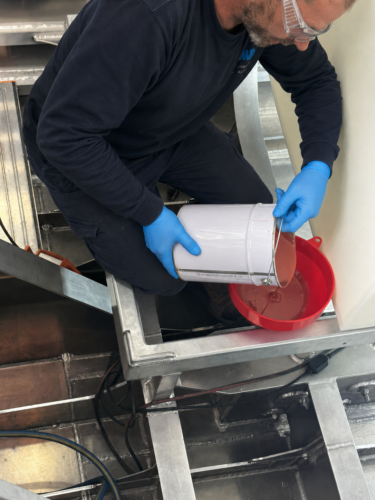
Why Shimming Is Essential for Marine Shaft Alignment
Every propulsion system depends on accurate alignment between the engine, bearings, and propeller shaft. Even small misalignments can result in:
- Excessive vibration
- Premature bearing wear
- Increased mechanical stress
- Reduced propulsion efficiency
- Higher maintenance costs
During vessel construction or propeller shaft repair projects, shimming creates a rigid, accurately aligned foundation that distributes loads evenly while maintaining precise positioning of propulsion components.
Traditional metallic shims often require extensive machining and fitting. Modern epoxy shimming systems provide a faster, more adaptable alternative that conforms perfectly to equipment geometry while delivering exceptional compressive strength.
How Epoxy Shimming Improves Propeller Shaft Repair
A successful propeller shaft repair isn’t just about replacing damaged components; it also requires restoring precise alignment throughout the propulsion system.
Epoxy shimming offers several advantages over conventional methods:
- Creates a custom-fit bearing seat
- Eliminates gaps and voids beneath equipment
- Provides high compressive strength
- Reduces vibration transmission
- Allows controlled placement around complex geometries
- Helps maintain long-term alignment
For marine shaft alignment, these characteristics contribute to improved reliability and longer service intervals.
Step-by-Step Guide to Shimming a Marine Shaft
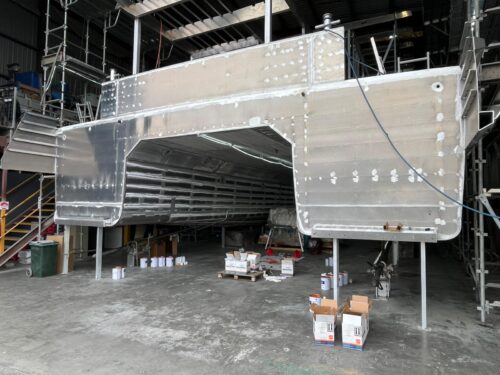
Step 1: Prepare the Bearing Housing
Begin by cleaning and preparing the bearing housing and surrounding surfaces. Proper surface preparation ensures the epoxy bonds correctly and creates a stable foundation for the installation.
The bearing should then be positioned according to the required alignment specifications.
Step 2: Verify Shaft Alignment
Before pouring the epoxy, confirm that the marine shaft and bearings are accurately aligned.
Correct positioning at this stage helps avoid vibration issues and reduces the likelihood of future shaft repair work.
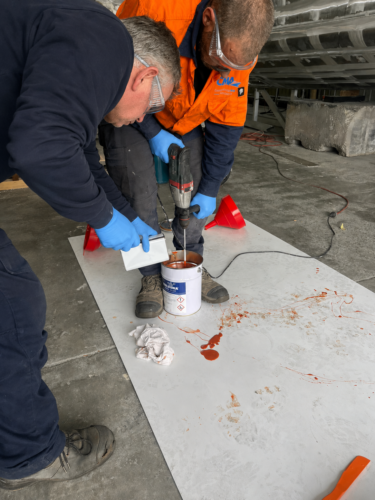
Step 3: Mix the Liquid Shimming Material
Using an engineered epoxy chocking compound such as Belzona 7111, mix the material according to the recommended ratios.
Its low viscosity allows the material to flow easily into the annular space around the bearings while minimizing trapped air and voids.
Step 4: Pour the Epoxy
Carefully pour the epoxy into the prepared cavity.
A continuous pour helps create a uniform, void-free chock that fully supports the bearing housing. Because the material flows easily, it can accommodate larger pours without sacrificing installation quality.
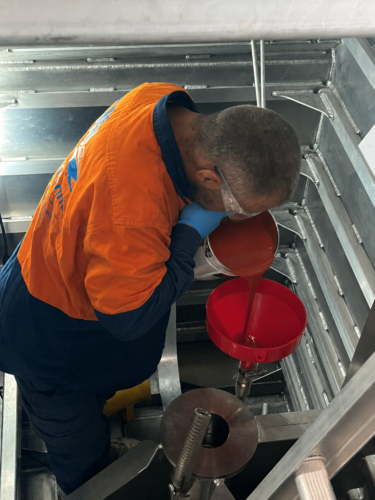
Step 5: Allow the Material to Cure
Once poured, allow the epoxy to cure fully before placing the propulsion system into service.
After curing, the shimming material provides a rigid structural support capable of maintaining alignment under operational loads.
Why Belzona 7111 Is Ideal for Propeller Shaft Shimming
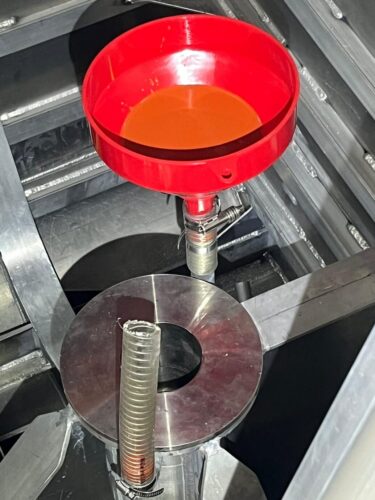
The installation of the Fitzroy Flyer, a 24-meter aluminum catamaran built by Commercial Marine Australia, demonstrates the effectiveness of epoxy shimming for propulsion components. During construction, Belzona 7111 was used to support both the cutlass bearings and inner shaft support bearings, creating accurately aligned seating around the vessel’s propeller shaft.
Belzona 7111 was selected because it offers:
- High compressive strength
- Low viscosity for large-volume pours
- Extended working life for controlled placement
- Reduced exothermic reaction during curing
- Simplified mixing process
- Availability in larger kit sizes
- Five-year shelf life
These features make it well-suited for marine shaft alignment, propeller shaft repair, and other precision shimming applications where long-term structural support is essential.

“Having now used Belzona 7111 on two newbuild projects, we’ve found its longer working life, low viscosity and excellent flow characteristics make installation easier. The clear solidifier reduction graph allowed us to extend the working life of the product which was a practical advantage during installation.”
Ainslie Pankhurst – Director, Commercial Marine Australia
Common Applications for Epoxy Shimming
Epoxy shimming can be used throughout marine propulsion systems, including:
- Propeller shaft support bearings
- Cutlass bearings
- Rudder bearings
- Engine mounting systems
- Gearbox installations
- New vessel construction
- Marine retrofit projects
- General shaft repair work
Results of Successful Shimming
Successful shimming is fundamental to achieving reliable propulsion system performance. By creating a precision-fit, high-strength support beneath bearings and other critical components, epoxy chocking materials help reduce vibration, improve alignment, and extend equipment life.
Whether you’re completing a new vessel build or undertaking a propeller shaft repair, using a purpose-designed epoxy solution such as Belzona 7111 can simplify installation while delivering the durability required for demanding marine environments.
Frequently Asked Questions
Why is shimming important during propeller shaft repair?
During a propeller shaft repair, maintaining precise alignment is critical. Poor alignment can lead to excessive vibration, premature bearing failure, and reduced equipment life. Proper shimming provides stable structural support that helps keep the shaft correctly positioned.
What are the advantages of liquid shimming over metal shims?
Liquid epoxy shimming creates a custom-fit support that fills voids completely without machining individual shims. It provides excellent compressive strength, distributes loads evenly, reduces installation time, and helps maintain long-term alignment.
Can epoxy shimming be used on new vessel construction?
Yes. Epoxy shimming is widely used during new vessel construction for installing cutlass bearings, propeller shafts, rudder bearings, engine mounts, and other propulsion components requiring accurate alignment.
Interested in knowing more about Belzona solutions for marine vessels?
Visit Belzona at the International Workboat Show

Digital Content Creator, Belzona Inc., Miami, Florida