Overview
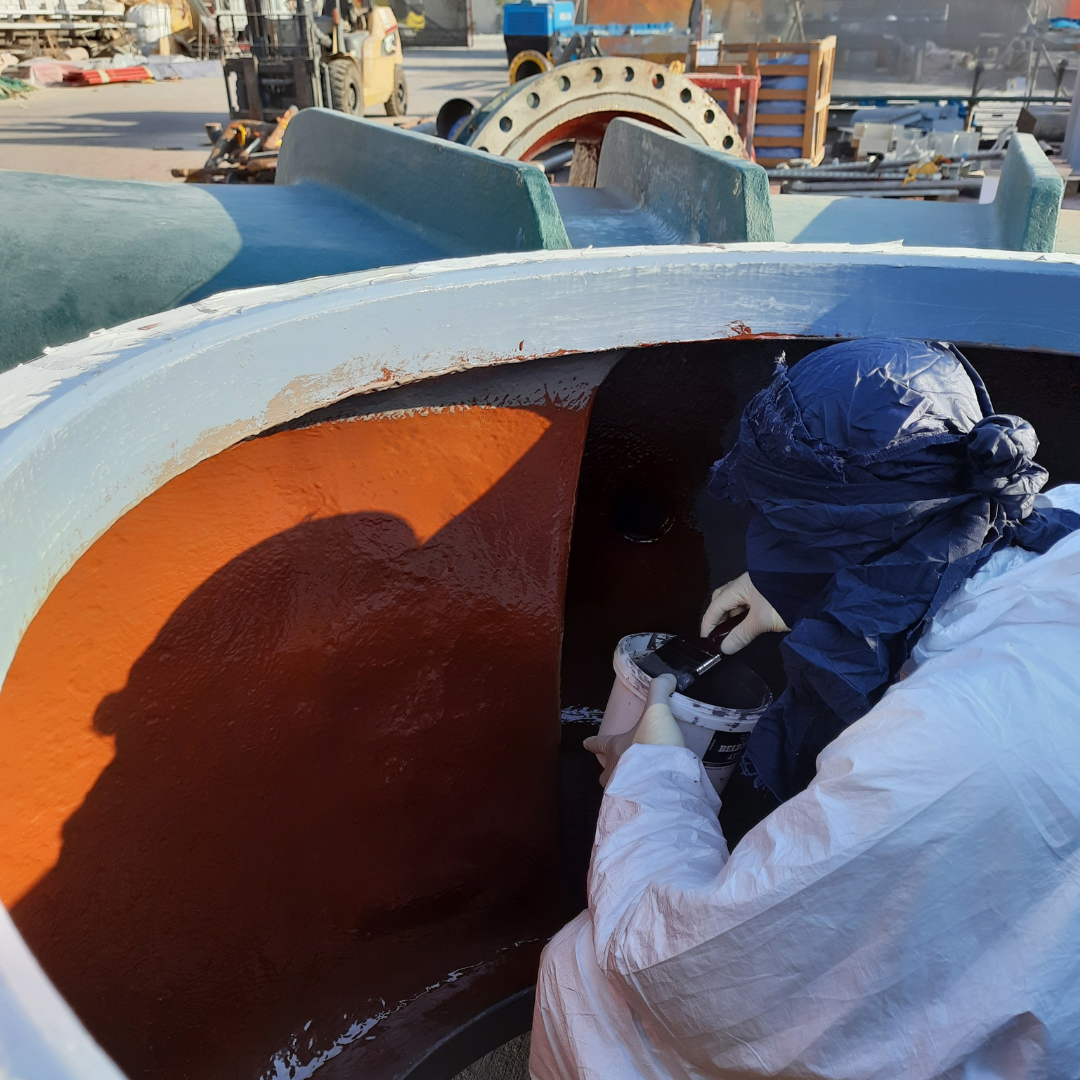
Pumps operating with aggressive chemicals can experience chemical attack, erosion-corrosion and loss of material on internal surfaces. Damage to components such as pump casings, volutes and impellers can affect hydraulic performance and increase maintenance requirements.
A chemical resistant coating for pumps can help protect suitable metal surfaces from further chemical attack. The appropriate system depends on the process media composition and the concentration of the individual substances present[NS1.1], together with the operating temperature, exposure conditions, and condition of the pump.
What Causes Chemical Attack in Pumps?
Pumps handling aggressive process fluids can be exposed to chemical attack on their internal surfaces. Acids, alkalis and other chemicals can gradually deteriorate the material, particularly where exposure is continuous or combined with erosion-corrosion.
As material is lost from internal surfaces, the original hydraulic profile can change. Increased surface roughness and changes to component geometry can increase friction losses and contribute to reduced pumping efficiency. The extent and type of damage should therefore be assessed before selecting a repair or protective coating system.
Which Pump Components Can Be Protected?
Chemical attack can affect several areas of a pump, including:
- Volutes and pump casings, where the internal surfaces are exposed to the process fluid.
- Impellers, where chemical attack can affect the surfaces and alter the original profile.
- Pump bases and plinths, where chemical spills or leakage can attack the surrounding concrete or metal.
How to Protect a Pump from Chemical Attack
Protecting a pump involves more than simply applying a coating. The existing condition of the component needs to be assessed, damaged areas rebuilt where necessary and the surface prepared to provide a suitable bond for the protective system.
1. Assess the Damage and Operating Conditions
Begin by assessing the extent of chemical attack and identifying the components requiring repair or protection. The process fluid, chemical concentration, operating temperature and exposure conditions should be established before selecting the product. Product selection should also take account of whether the problem is chemical attack, erosion-corrosion or a combination of damage mechanisms.
Where significant material loss has occurred, the original profile of the pump may need to be rebuilt using Belzona 4301 (Magma CR1 Hi-Build) before the protective coating is applied.
2. Prepare the Surface
Rebate grooves should be machined or ground at coating termination points and all sharp edges grinded to a radius of not less than 3mm[NS2.1]. The complete surface is then grit blasted using an angular abrasive to achieve Swedish Standard Sa 2 ½ (near-white-metal finish) ensuring a minimum surface profile of 3 mil (75 micron).
Following blasting, the surface must be cleaned to remove residual debris before the selected Belzona system is applied.
3. Rebuild Damaged Internal Profiles
Where chemical attack has caused material loss, damaged and uneven areas should be rebuilt before coating.
The objective is to restore the original internal contours of the pump rather than simply covering an irregular surface. Depending on the component and extent of damage, an appropriate Belzona repair material can be used before the chemical resistant coating is applied.
4. Apply the Chemical Resistant Coating
Use masking tape at the outer edges of the repair area to give a neat and clean finish. Mix and apply the selected Belzona chemical resistant coating system and apply at even thickness with a short bristled brush.
Wet film thickness gauges should be used to check that the specified coating thickness is achieved.
Where a second coat is required, the first coat should be allowed to cure in accordance with the product’s Information for Use sheet before the subsequent coat is applied.
5. Inspect the Completed Chemical Resistant Coating
After curing, the coating should be inspected to confirm that it is continuous and free from defects. Where pinholes or holidays are identified, the affected area should be prepared and an additional coat applied.
Case Study: Protecting a Vertical Pump from Sulphuric Acid
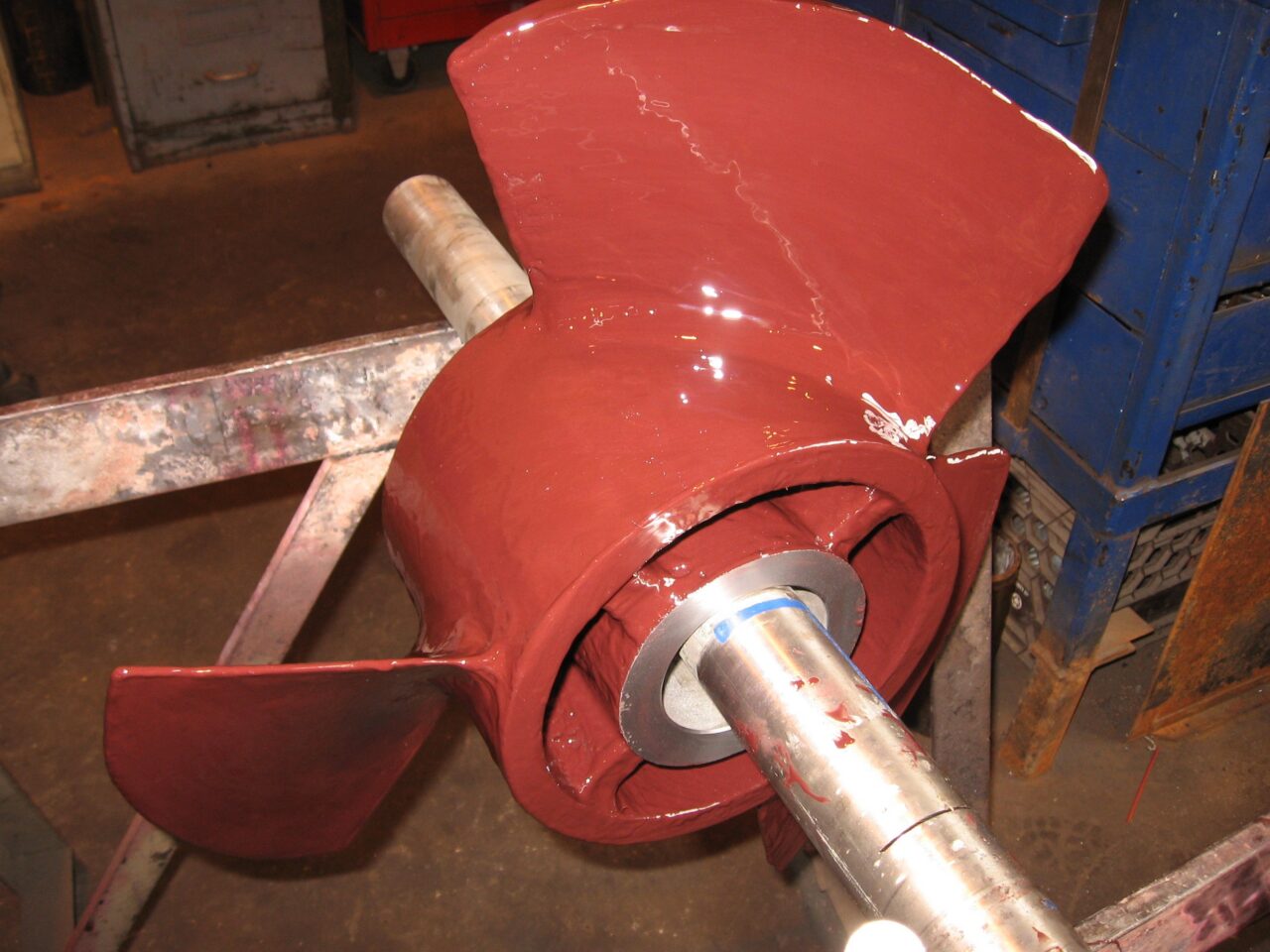
A refinery in Canada was experiencing chemical attack inside a vertical pump handling 93% sulphuric acid. The aggressive process fluid had caused deterioration to the internal surfaces of the pump, including the volute and impeller, creating a risk of further damage and reduced pumping performance.
To address the problem, the damaged areas were repaired and the internal surfaces of the pump were protected using Belzona 4311 (Magma CR1). The coating provided a chemical resistant barrier between the pump components and the aggressive sulphuric acid, helping to protect the restored surfaces from further chemical attack.
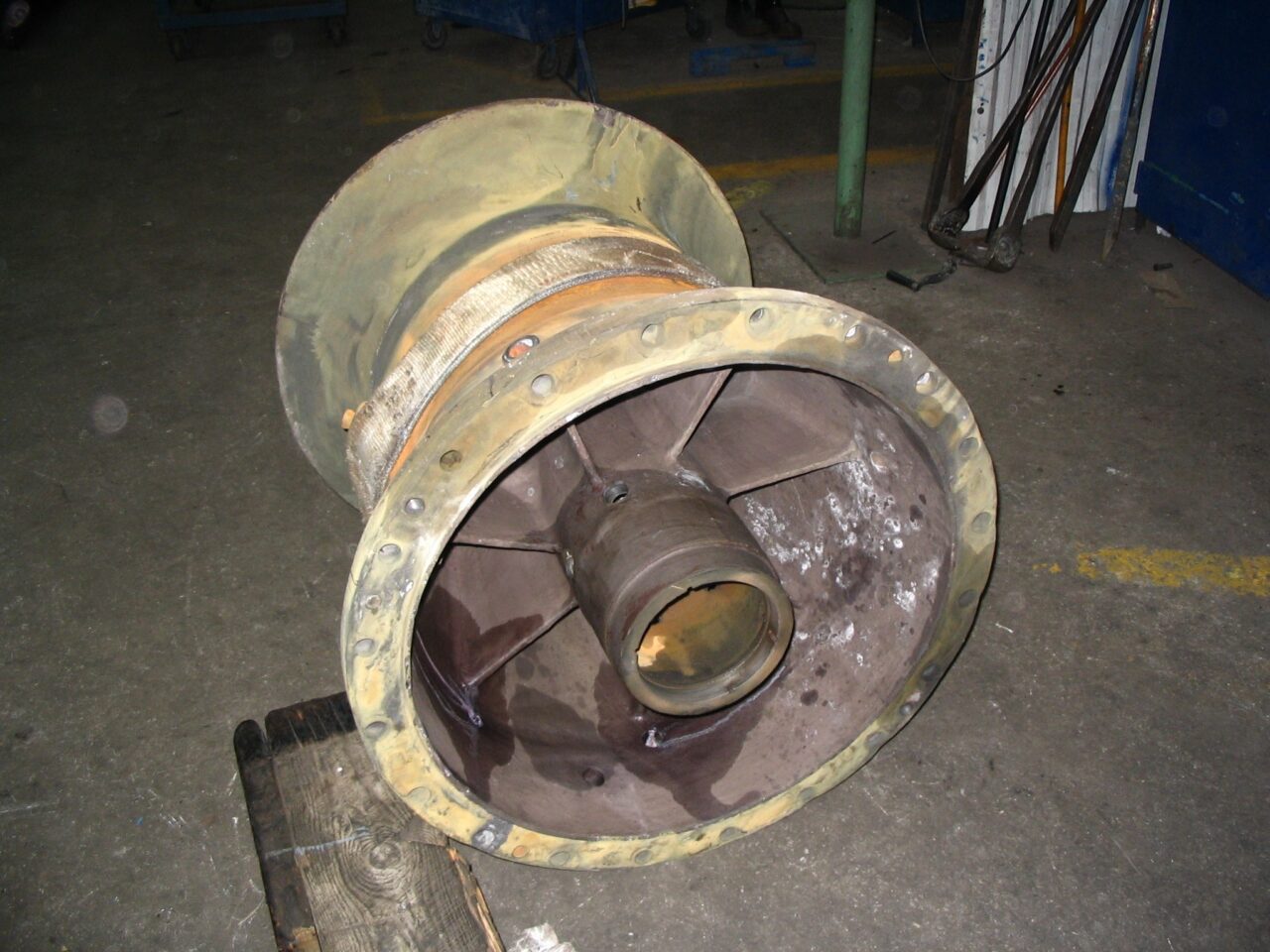
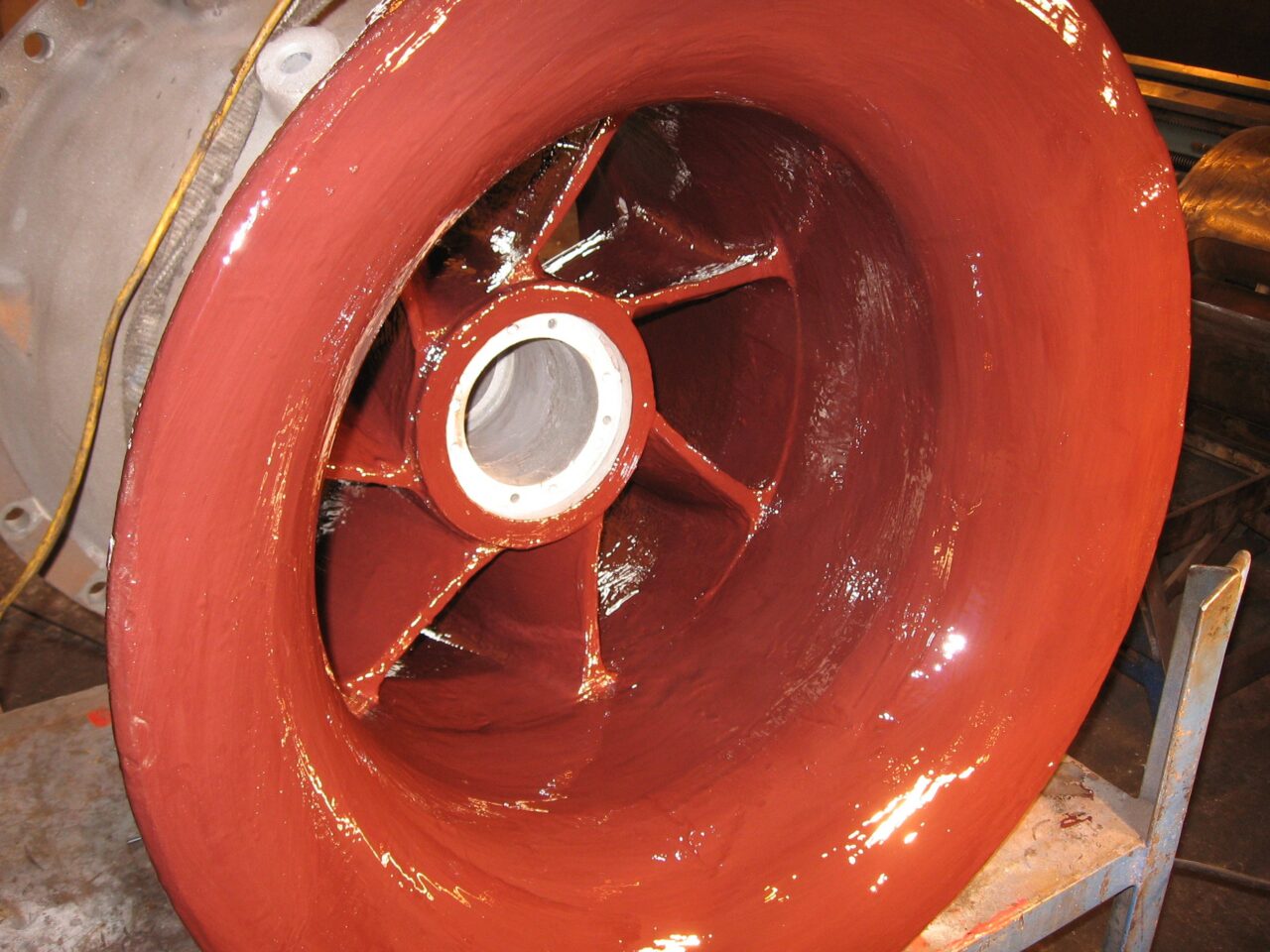
The solution allowed the existing pump components to be repaired and protected rather than replaced, providing a practical approach to extending the service life of the equipment. Protecting the internal surfaces also helped maintain the pump’s original profile and reduce the effects of surface deterioration that can contribute to increased friction and loss of pumping efficiency.
It provided the refinery with a practical method of addressing chemical damage and protecting the internal surfaces of the pump for continued service.
Can a pump be coated after chemical attack?
Yes, provided the pump can be suitably prepared and any damaged areas are repaired before the protective coating is applied. The extent of material loss, substrate condition and operating conditions should be assessed before selecting the repair and coating system.
What is the best coating for a pump handling acid?
There is no single coating suitable for every acid service. The chemical type and concentration, operating temperature, exposure conditions and substrate all need to be considered. Belzona 4311 (Magma CR1), for example, is designed for chemical resistance against a wide range of chemicals, while Belzona 4341 (Magma CR4) is optimised for hot inorganic acids.
Can pump impellers be coated?
Yes. Belzona 4311 (Magma CR1) has been applied on pump impellers and volutes to protect against chemical attack. Where an impeller has suffered significant material loss, the profile may first need to be rebuilt before the coating is applied. Have a look at an example: Belzona Repairs and Protects Vacuum Pumps from Chemical Attack
Need Help Selecting a Chemical Resistant Coating?
Click to find a Distributor near you.
Learn More

Rhiannon has been working for Belzona for over 16 years and has recently joined the Marketing Team in a Supervisory role. Her expertise lies in lead generation, social media strategy, content marketing and email campaigns.