Why Pump Components Become Damaged
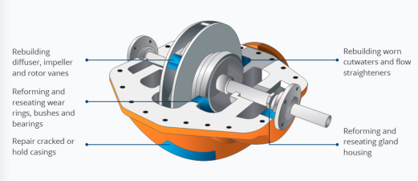
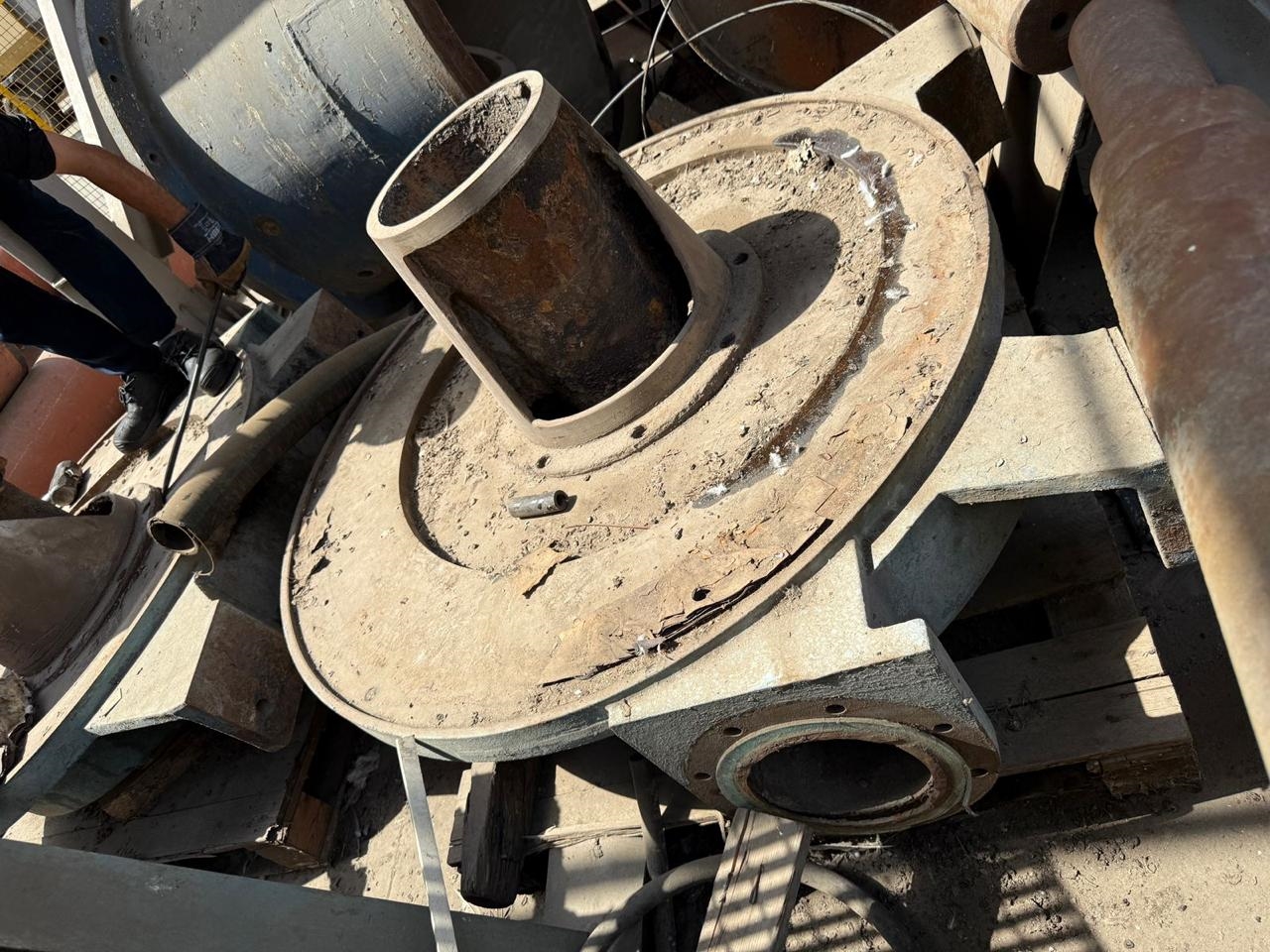
Pumps are critical equipment in almost all industries. Pump components work together to transfer liquids from one location to another. However, liquids handled by pumps may contain abrasive particles or corrosive constituents that can gradually damage pump components, resulting in loss of hydraulic efficiency, leakage, vibration, unplanned downtime, and premature replacement. As an alternative to replacing pump parts or carrying out weld repairs, composite repair materials and protective coatings can offer more sustainable pump repair solutions while mitigating the need for hot work.
Common Causes of Damaged in Pumps
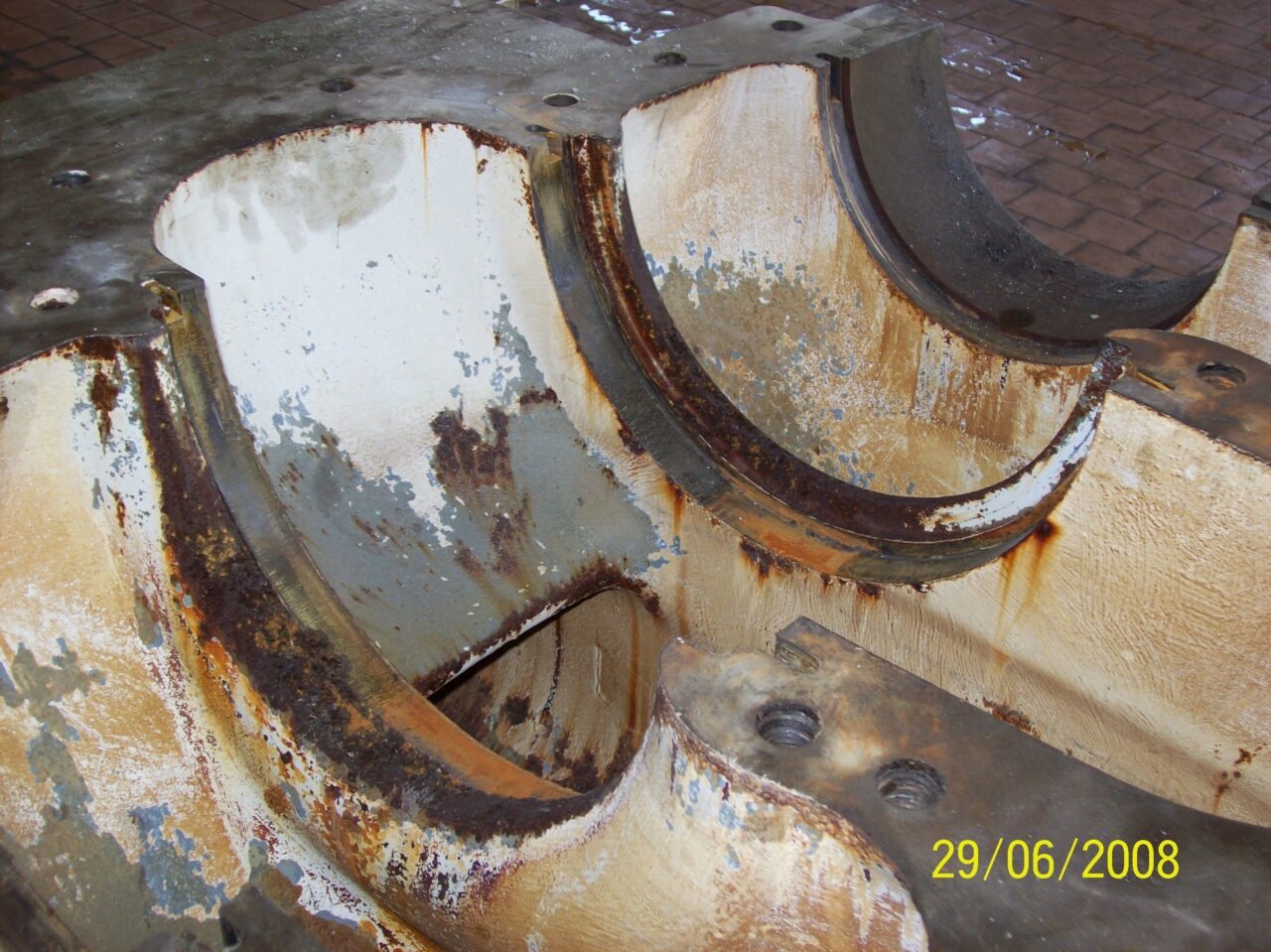
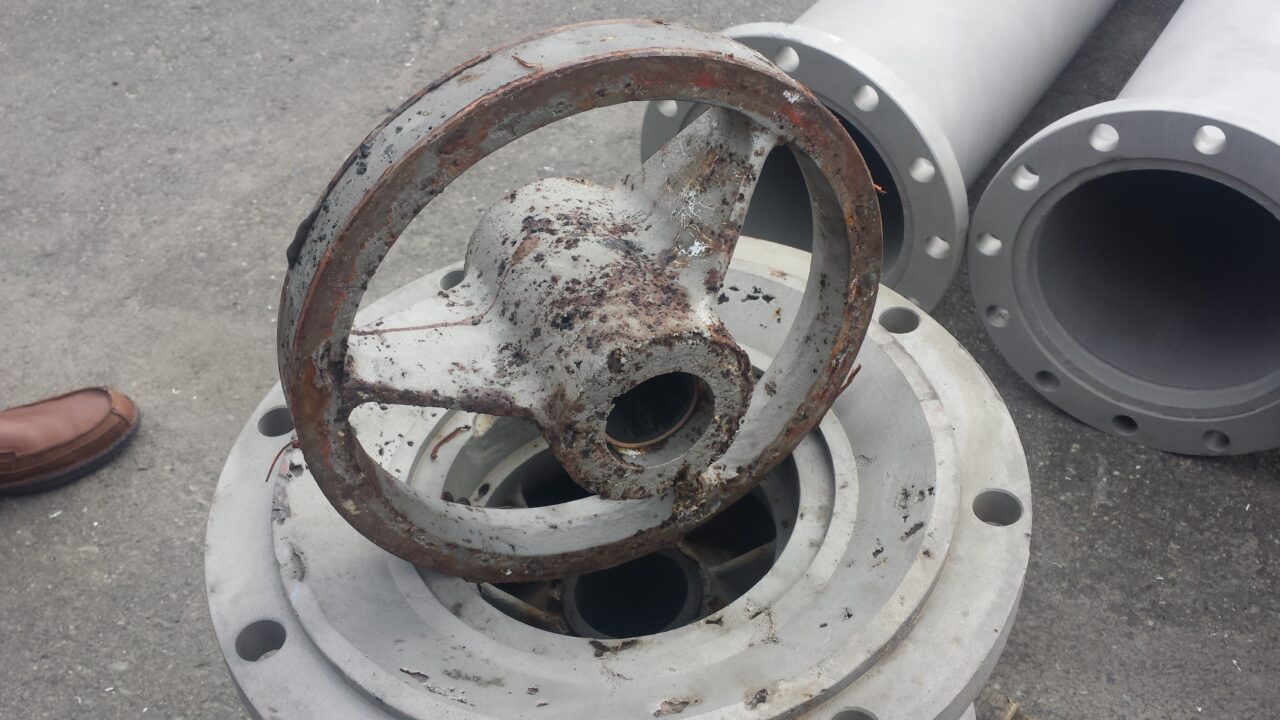
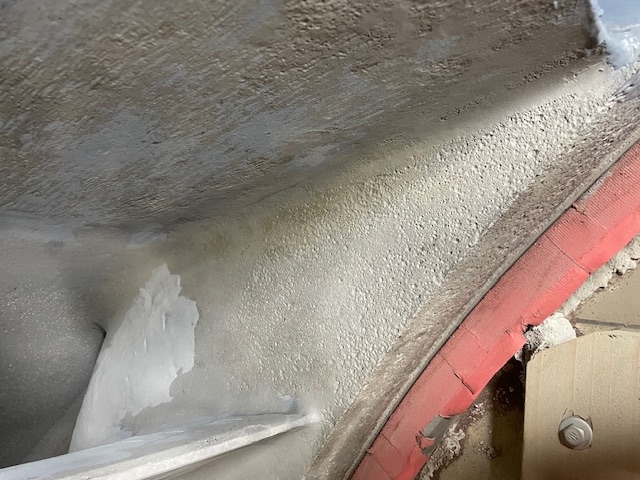
Industrial operating conditions can lead to several forms of pump damage, including erosion, abrasion, corrosion and cavitation.
|
Damage Mechanism |
Cause of Damage |
Typical Areas |
|
High-velocity fluid, turbulence, entrained particles |
Impellers, vanes, volutes, nozzles |
|
|
Repeated contact with hard solid particles |
Casings, impellers, wear plates |
|
|
Chemical attack, seawater, process fluids |
Casings, impellers, suction bells, shafts |
|
|
Local pressure falls below liquid vapor pressure causing erosion and accelerating corrosion damage |
Impeller inlet, suction areas, volute cutwater |
The damage must be addressed in time to avoid costly replacement and unplanned downtime. If left untreated, even minor surface wear can lead to dimensional loss, reduced efficiency, or premature failure of critical pump components.
Pump Repair for Specific Requirements
Pump Repair and Protection against Erosion
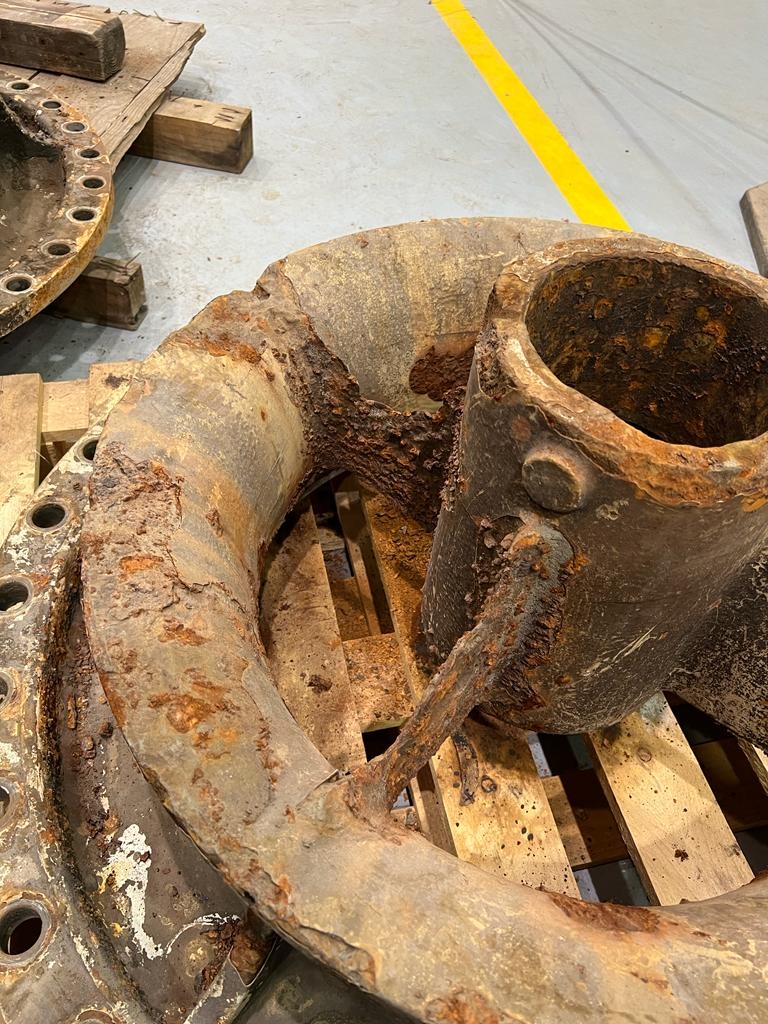
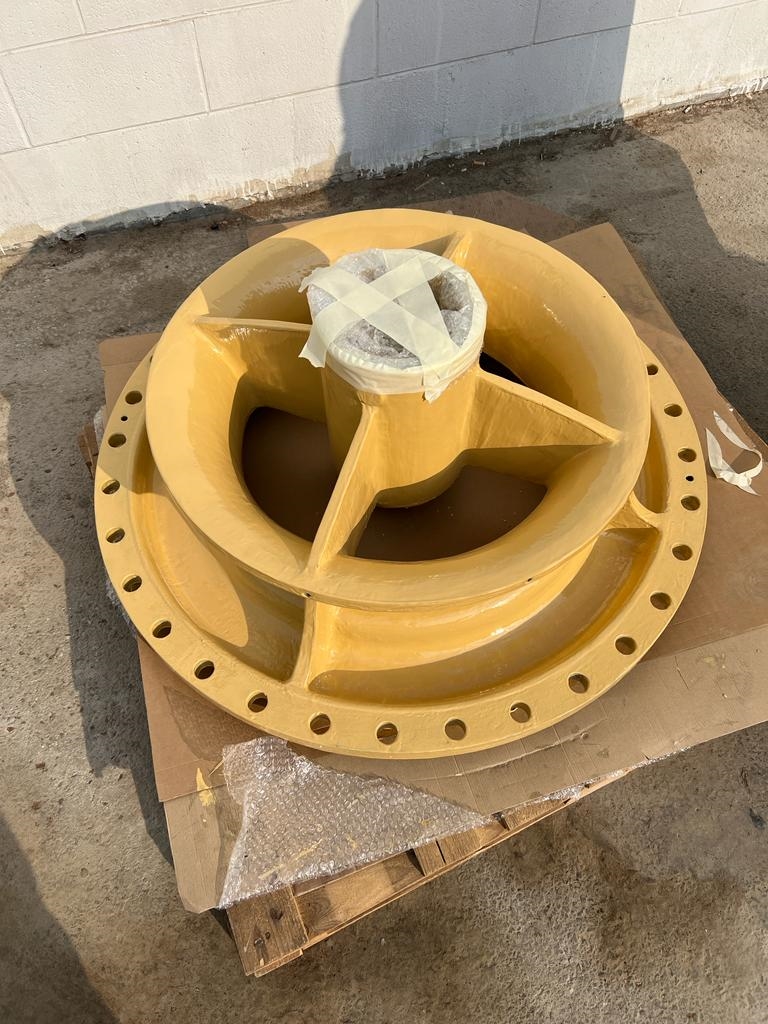
Erosion in pumps is the gradual wearing away of surface material from pump components, caused by high fluid velocities, entrained solids or the collapse of vapor bubbles associated with cavitation. Erosion may occur at the impeller leading edge, volute cutwater, or discharge nozzles. To address erosion damage, asset owners and operators can apply composite repair materials to restore the surface profile and then use protective coatings to reduce the risk of further deterioration.
- Belzona 1311 (Ceramic R-Metal): for rebuilding metal components damaged by erosion-corrosion during immersed operation
- Belzona 1321 (Ceramic S-Metal): a coating-grade material for protecting immersed surfaces against erosion-corrosion
- Belzona 1331: for protecting immersed surfaces of equipment suffering from erosion-corrosion
- Belzona 2141 (ACR-Fluid Elastomer): a fluid-grade elastomeric system designed to provide cavitation and erosion resistance to pump components
- Belzona 5821: 100% solids coating for protecting surfaces of equipment operating in immersed erosive conditions
Pump Repair and Protection against Abrasion
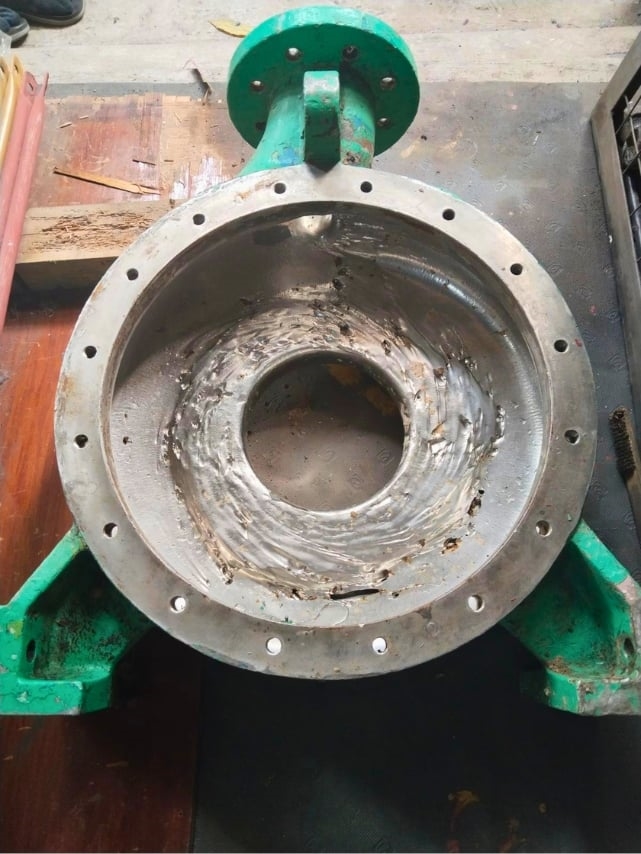
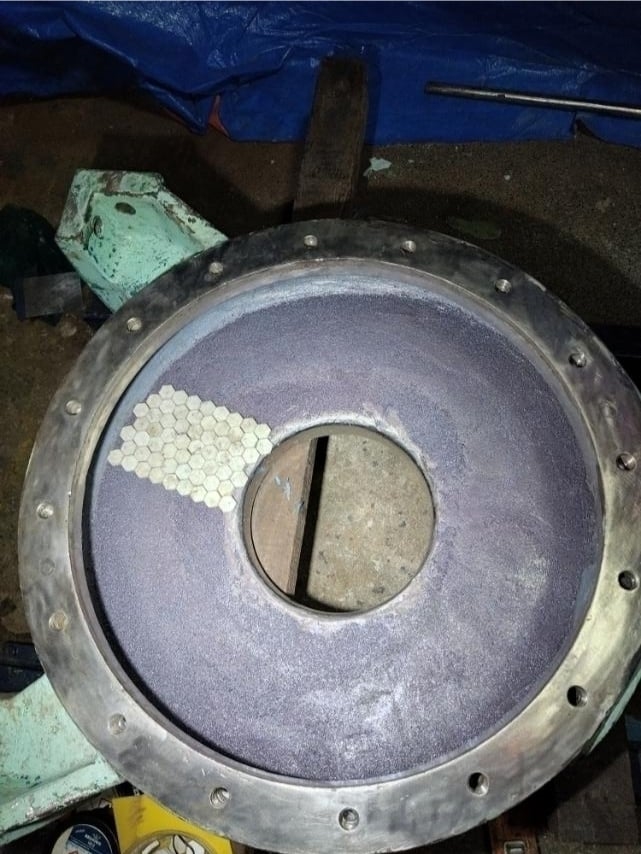
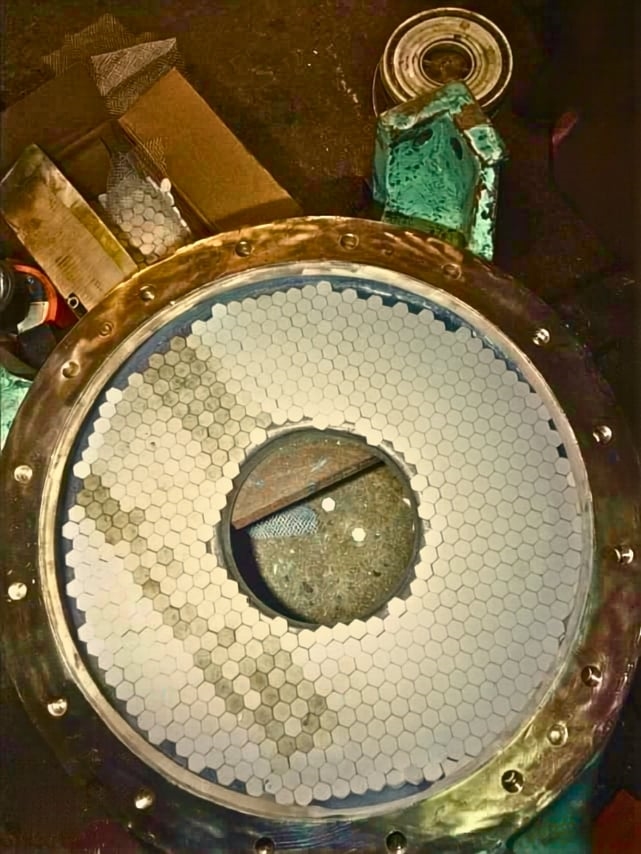
Abrasion in pumps is caused by solid particles repeatedly scratching surfaces, causing mechanical wear on pump parts. To address abrasion damage, asset owners can apply ceramic-filled repair materials engineered specifically to help resist damage from solid particles, mud, sand, and debris in industrial pumps such as slurry pumps or seawater pumps. Repair materials can be selected based on the types of particles present and the temperatures to which the pump components are subjected.
- Belzona 1811 (Ceramic Carbide): ceramic-filled epoxy for rebuilding and protecting metal surfaces against abrasion from coarse particles
- Belzona 1812 (Ceramic Carbide FP): ceramic-filled epoxy for rebuilding and protecting against damage or wear caused by fine abrasive particles
- Belzona 1814: for repairing and protecting surfaces against abrasive attack, with an extended working life
Pump Repair and Protection against Corrosion
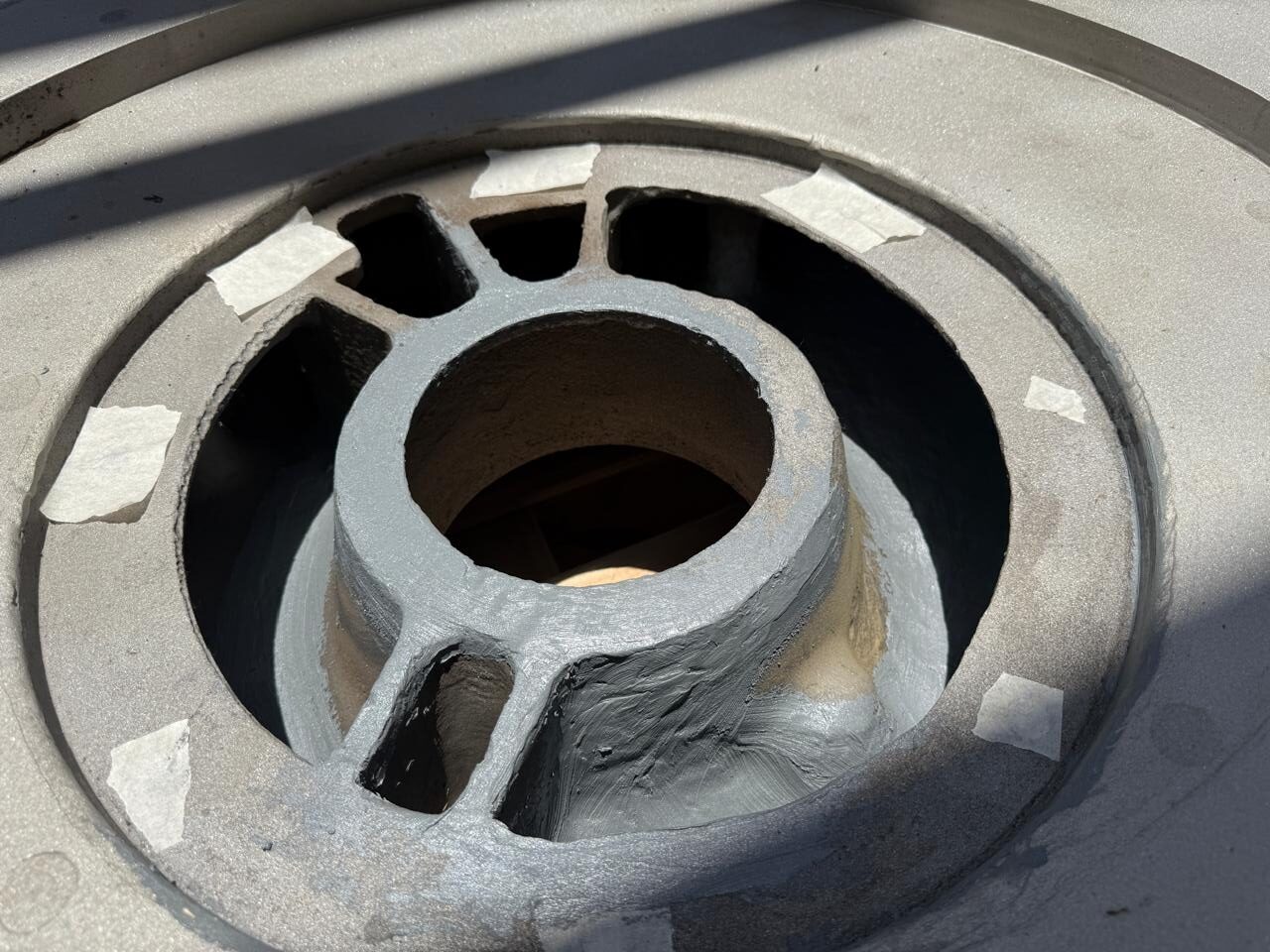
Aggressive fluids, seawater and process chemicals can cause corrosion in pump components, resulting in pitting, general surface thinning or galvanic corrosion between dissimilar metals. Elevated process temperatures can accelerate the damage. Therefore, pump components require coatings suitable for both the specific service temperature and the chemical environment. To address corrosion damage in pumps, asset owners can apply rebuilding compounds to restore the surfaces and apply protective coatings to provide long-term corrosion resistance and barrier protection in immersed conditions.
- Belzona 1111 (Super Metal): paste-grade material for repairing and rebuilding machinery or equipment, with WRAS approvals for contact with potable water
- Belzona 1121 (Super XL-Metal): repair composite for metal repair and resurfacing based on 100% solids epoxy resin reinforced with silicon steel alloy
- Belzona 1341 (Supermetalglide): a fluid-grade system for protecting immersed surfaces suffering from erosion-corrosion, suitable for contact with potable water as it is certified to NSF/ANSI Standard 61
- Belzona 1391T: hand-applied fluid grade system for protecting immersed surfaces suffering from erosion-corrosion at operating temperatures up to 130°C (266°F)
- Belzona 1511 (Super HT-Metal): for rebuilding machinery and equipment damaged by erosion-corrosion at elevated temperatures
- Belzona 5811DW2: 100% solids coating for protecting surfaces under potable water immersion or where potable water approval is required
Frequently Asked Questions
How can I repair pitting on pump surfaces?
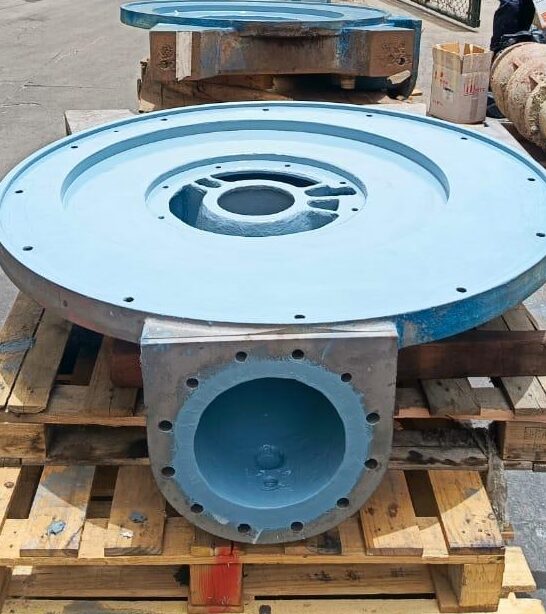
Pitting damage on pump surfaces can be repaired using a system that combines a metal rebuilding compound, such as Belzona 1111 (Super Metal), with a protective coating, such as Belzona 1341 (Supermetalglide). This system helps protect pump surfaces against further deterioration caused by corrosive process fluids and mechanical wear during operation. By using Belzona 1341 (Supermetalglide), asset owners can improve pump hydraulic efficiency by 3-8% in new pumps and up to 20% in pumps already in service, enhancing pump performance and reducing energy costs. A how-to video provides a step-by-step guide to repairing pitting damage on pumps using a Belzona repair system.
What preparation is required before applying a composite material for pump repair?
The selection of a pump repair method and composite material depends on the damage mechanisms affecting the pump and its operating conditions. However, Belzona recommends thorough surface preparation in accordance with the Instructions for Use of the selected rebuilding and coating materials. Proper surface preparation is critical to achieving good material adhesion.
How can pump components be protected against cavitation damage?
Cavitation occurs when low-pressure conditions cause the formation of vapour bubbles. When these bubbles collapse near a surface, they can cause erosion. Belzona recommends using Belzona 2141 (ACR-Fluid Elastomer for immersed service) for protecting pump components against the damaging forces associated with cavitation.
Contact Your Local Distributor for Pump Repair Solutions
Learn More

Marketing and Distributor Support Coordinator at Belzona Limited, based in Bangkok, Thailand
Supawadee works closely with the Belzona Marketing Team and Distributors across Asia Pacific and the Middle East to support regional marketing initiatives. Her responsibilities include creating content that explores industrial asset maintenance challenges and demonstrates how Belzona solutions address the needs of various sectors, including oil and gas, marine, mining, advanced manufacturing and renewable energy, amongst others. She also coordinates participation in major industry exhibitions, including Abu Dhabi International Petroleum Exhibition and Conference (ADIPEC) and Oil and Gas Asia (OGA), helping Distributors showcase Belzona’s repair and protection solutions to key audiences across these industries.