- Overview
- What Are Chemical Resistant Coatings?
- What Makes a Coating Chemically Resistant?
- Testing Chemical Resistance
- Chemical Resistant Coatings for Concrete and Steel
- Chemical Resistant Coatings for Secondary Containment
- How to Line a Chemical Bund
- Chemical Resistant Coatings for Pumps and Process Equipment
- Chemical Resistant Coatings for Drains and Channels
- Frequently Asked Questions
- Learn More
Overview
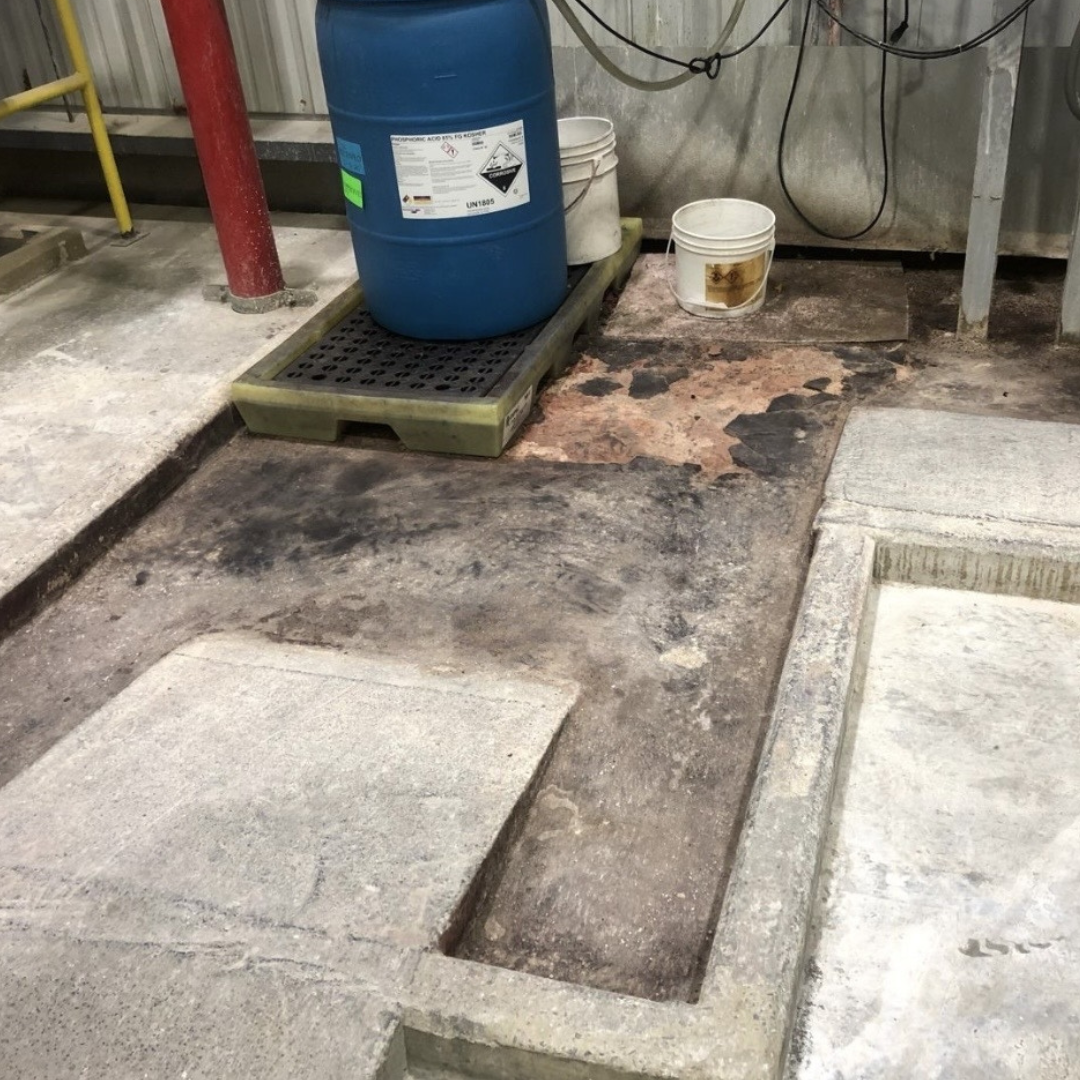
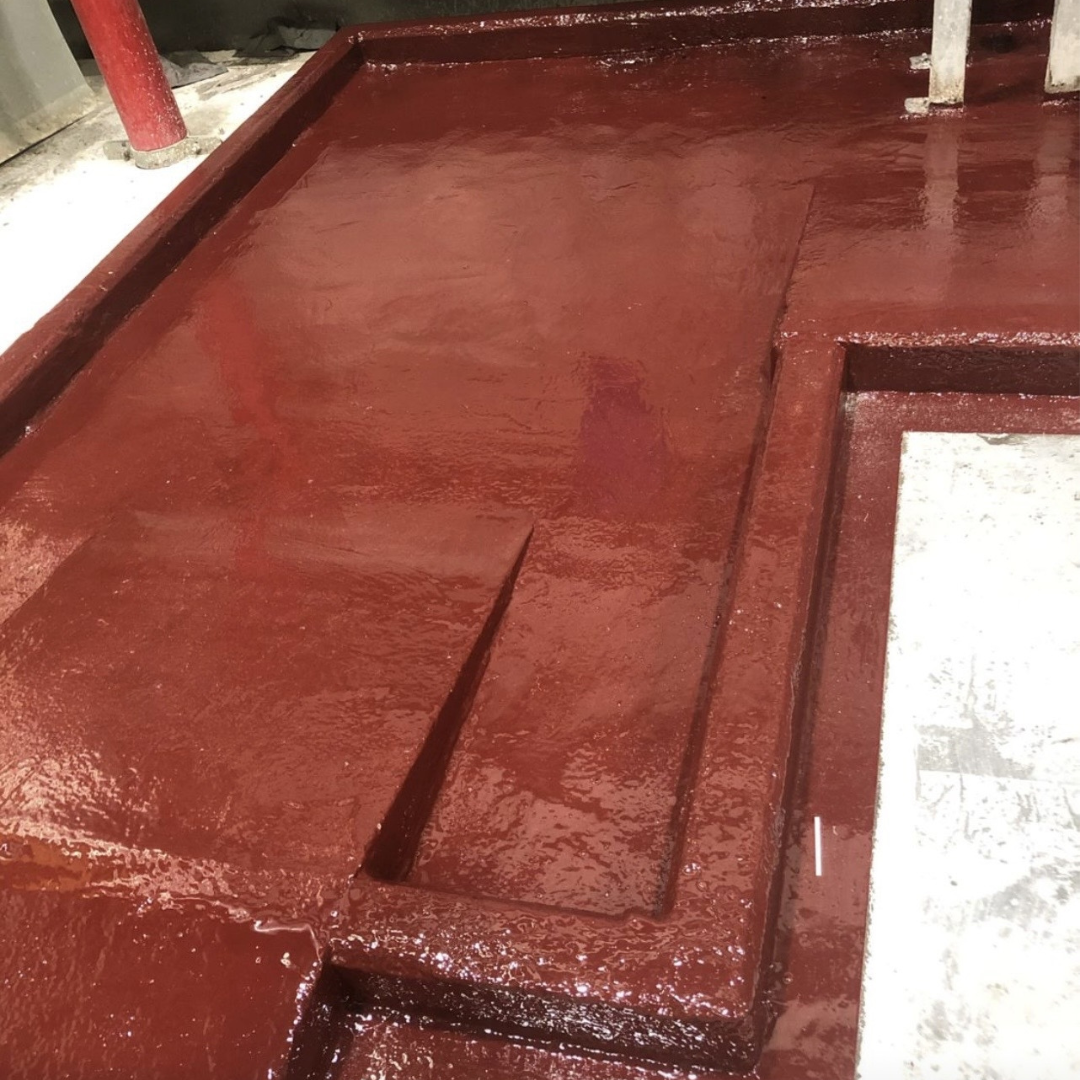
Chemical resistant coatings play an important role in protecting concrete and metal surfaces exposed to aggressive chemicals. From tanks and chemical containment areas to floors, drains and process equipment, the right industrial coating system helps protect assets from chemical attack and extend their service life.
However, selecting a chemical resistant coating involves more than choosing a product described as chemically resistant. The chemical itself, concentration, temperature, exposure conditions and substrate all need to be considered when selecting an appropriate coating system.
What Are Chemical Resistant Coatings?
Chemical resistant coatings provide a barrier between an industrial substrate and the chemicals to which it is exposed. Depending on the application, these systems can protect concrete, carbon steel, stainless steel and other rigid substrates.
Epoxy-based systems are widely used for industrial chemical protection because they can provide a durable barrier against chemical attack. Applications can include tanks, bunds, floors, drains, pump bases and other areas where chemical exposure presents a risk to the underlying substrate.
The required level of chemical resistance depends on the operating environment. A coating exposed to occasional chemical spills faces different conditions from one subjected to continuous immersion or hot chemicals.
What Makes a Coating Chemically Resistant?
Several factors need to be assessed before selecting a chemical resistant coating.
- Chemical type and concentration are fundamental considerations. Acids, alkalis, solvents and other chemicals can affect coating systems differently, while higher concentrations can increase the severity of exposure.
- Temperature is also important. Some applications involve chemicals at elevated temperatures, requiring a coating system specifically designed for hot chemical exposure.
- Exposure conditions also need to be considered. Splash, spillage, vapour, intermittent contact and continuous immersion represent different levels of chemical duty.
- Substrate condition influences the selection as well. Concrete and steel present different requirements, particularly where existing corrosion, cracking or deterioration is present.
Testing Chemical Resistance
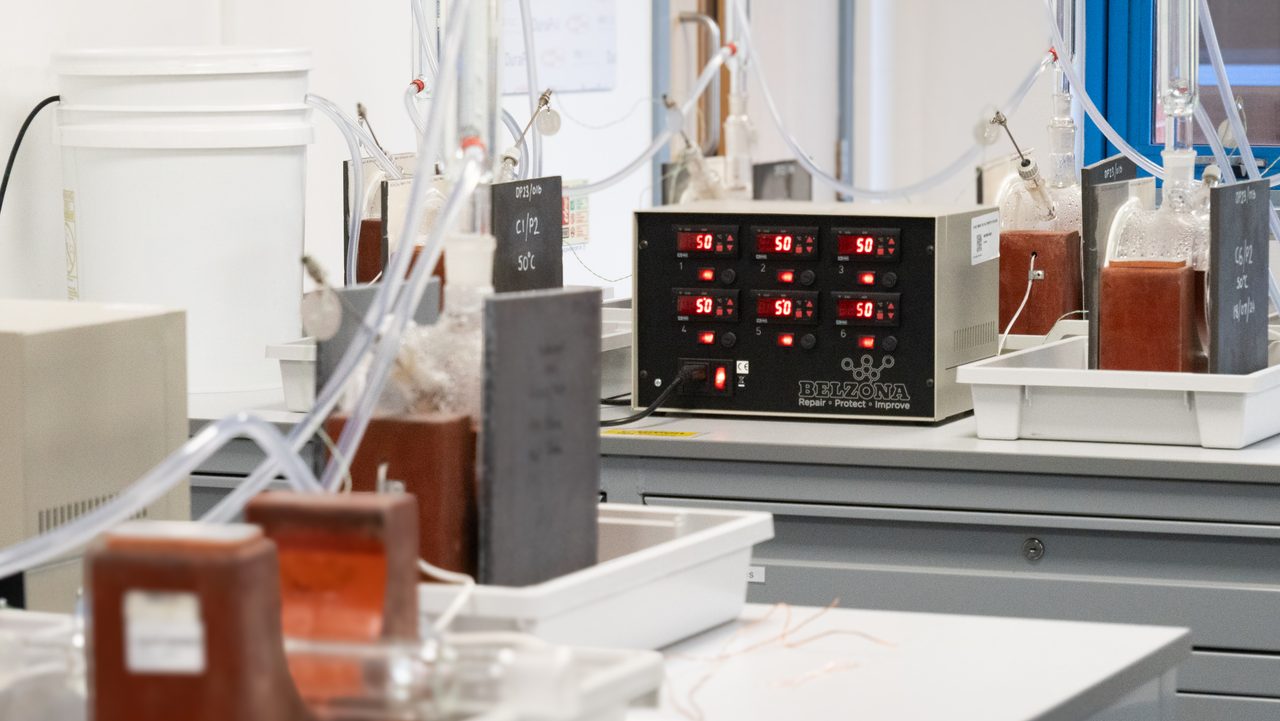
Testing is an important part of assessing the suitability of a chemical resistant coating. Belzona has dedicated testing facilities in both Miami and Harrogate, allowing new and existing products to be tested and their performance assessed in-house.
The chemical resistance of Belzona coatings is assessed through immersion testing in accordance with the internationally recognised ISO 2812-1 and ISO 4628 standard. Extensive testing provides data on coating performance when exposed to specific chemicals under defined conditions, helping to support product selection with standardised test results.
This evidence gives asset owners greater confidence that a proposed coating system is suitable for the intended service conditions and provides the required level of long-term protection.
Chemical Resistant Coatings for Concrete and Steel
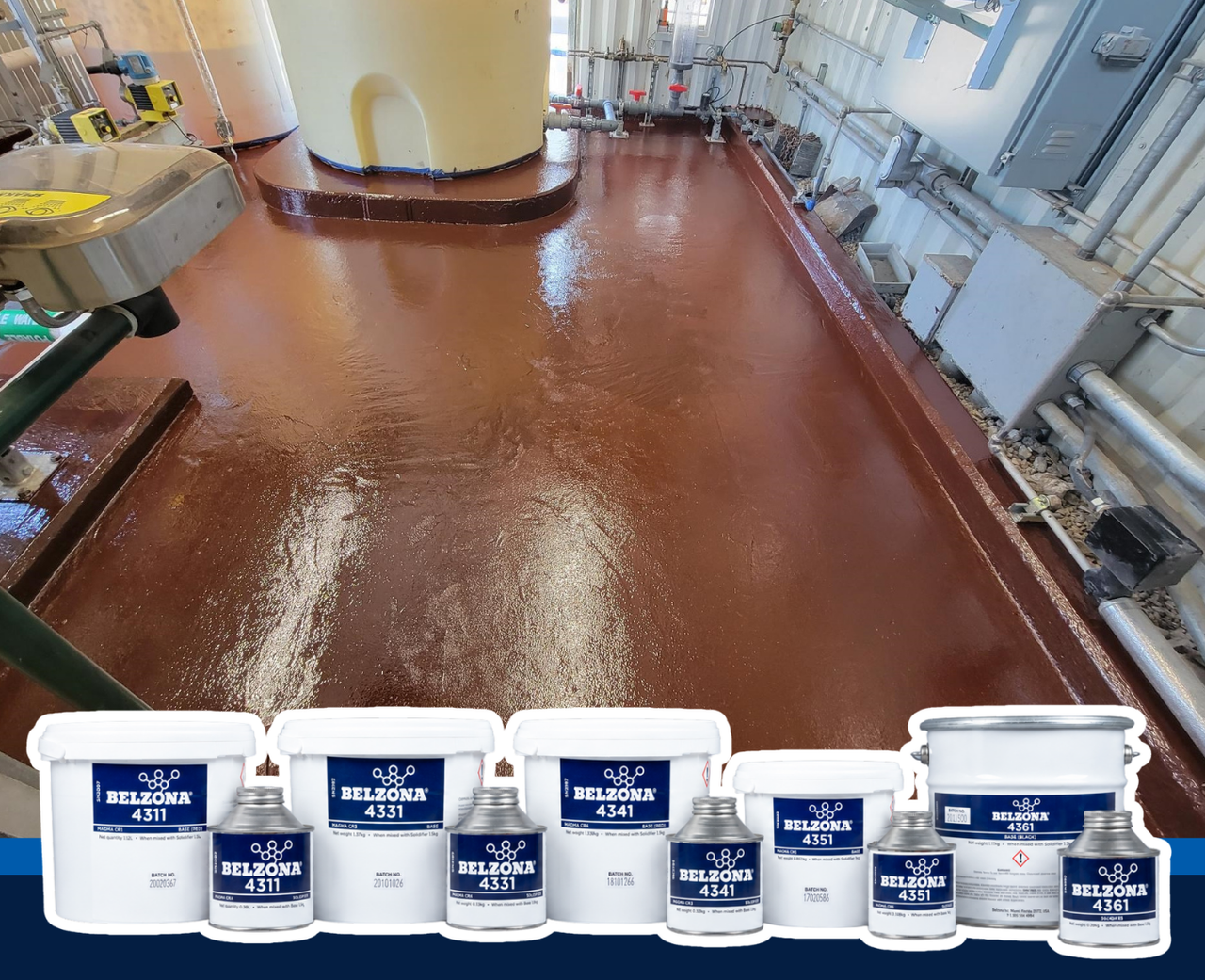
Chemical resistant coatings are used across a wide range of concrete and metal applications. For concrete, common applications include chemical bunds, retaining walls, tank plinths, drains and containment areas. Belzona 4311 (Magma CR1), for example, is a two-part epoxy coating designed to protect concrete and metal surfaces from chemical attack, particularly from acids and alkalis. Its applications include bund areas, chemical spill areas, concrete tank plinths, retaining walls, drains and pump bases.
Where concrete movement or cracking is a concern, Belzona 4361 provides a flexible epoxy barrier coating with crack-bridging properties. It is designed for applications such as secondary containment areas, acid retaining walls, chemical transfer areas, drains and channels.
For steel and other metal surfaces, the chemical environment and temperature remain critical considerations. Belzona 4311 (Magma CR1) bonds to rigid substrates including stainless steel, mild steel, carbon steel and copper.
Chemical Resistant Coatings for Secondary Containment
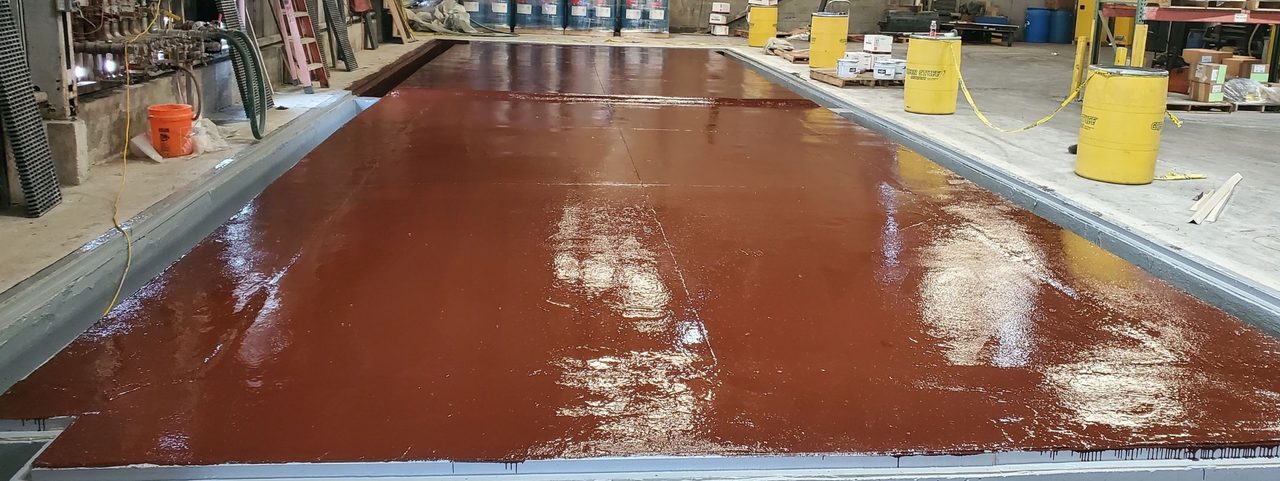
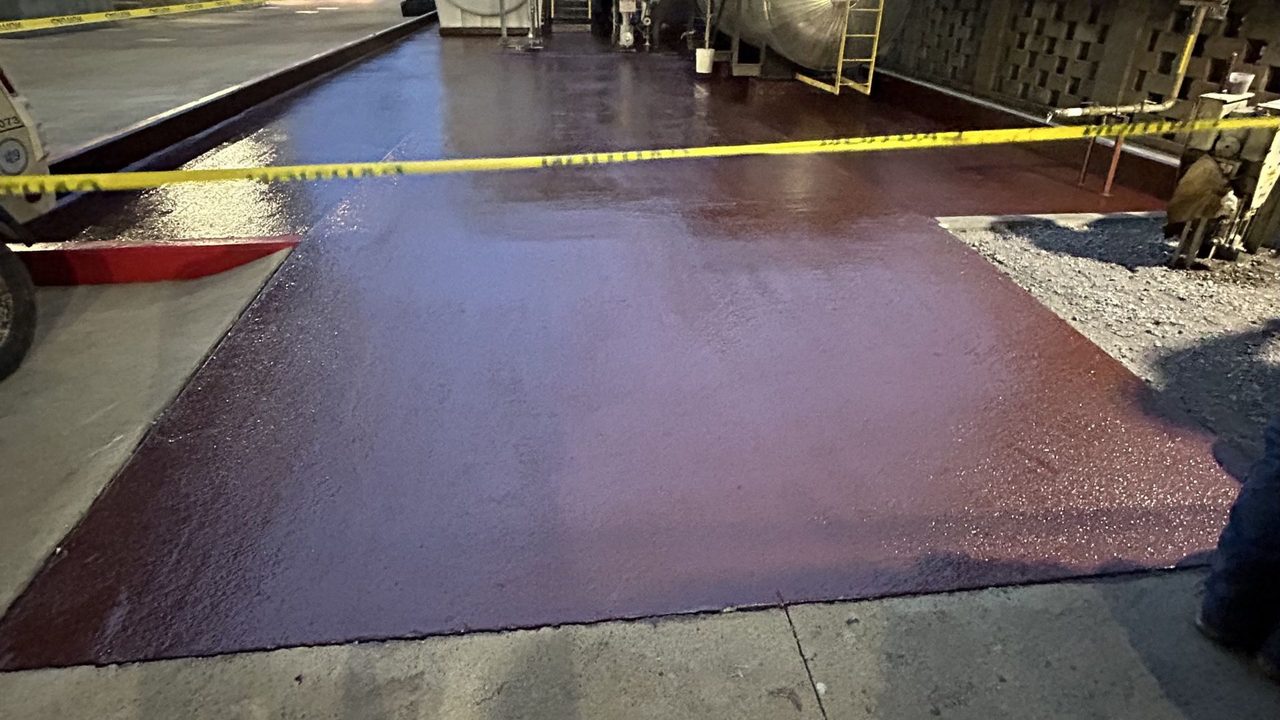
Secondary containment areas need to withstand chemical exposure while maintaining the integrity of the underlying structure. Chemical spills, leaks and prolonged exposure can cause deterioration of concrete and other substrates. A suitable protective coating provides a barrier between the substrate and the chemicals it needs to contain.
Belzona 4311 (Magma CR1) provides protection for bund areas, chemical spill areas and retaining walls. Belzona 4361 is specifically designed for concrete protection where flexibility is important, helping maintain the integrity of the coating where concrete cracking occurs underneath. (belzona.com)
For a more detailed look at epoxy-based protection for secondary containment areas, see Proven Solvent-Free and Epoxy Based Solutions for Secondary Containment Areas.
How to Line a Chemical Bund
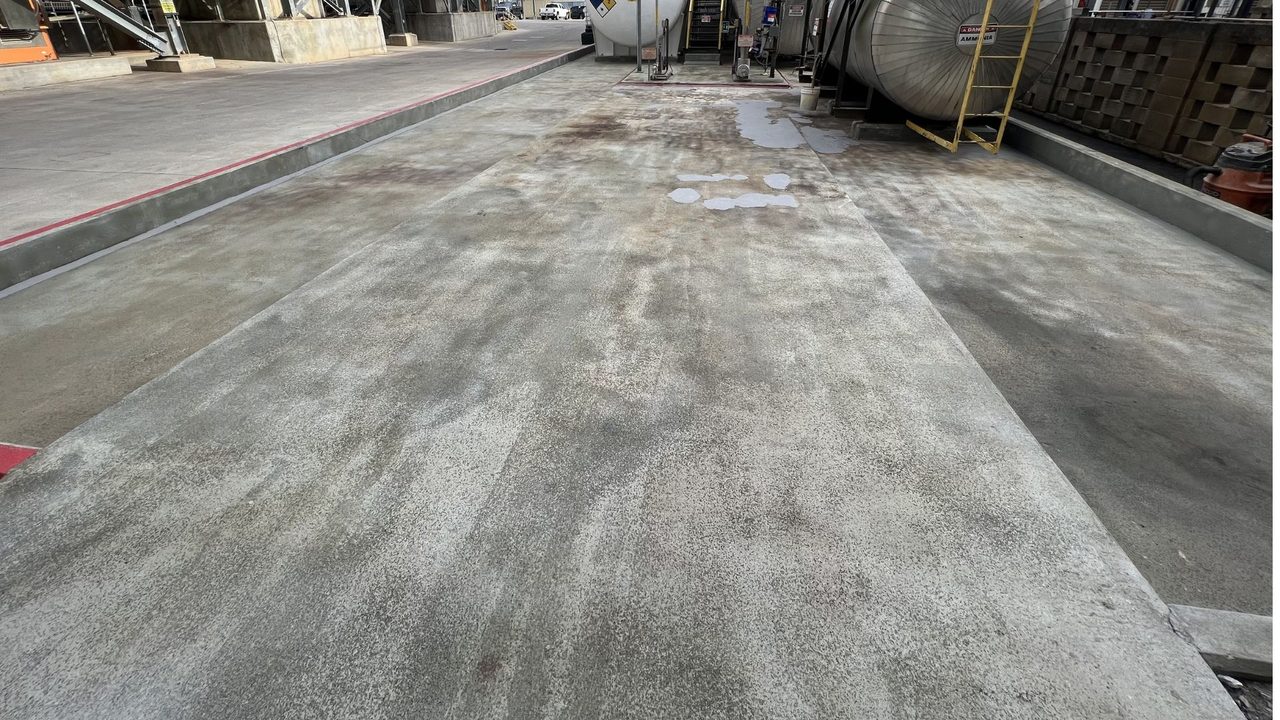
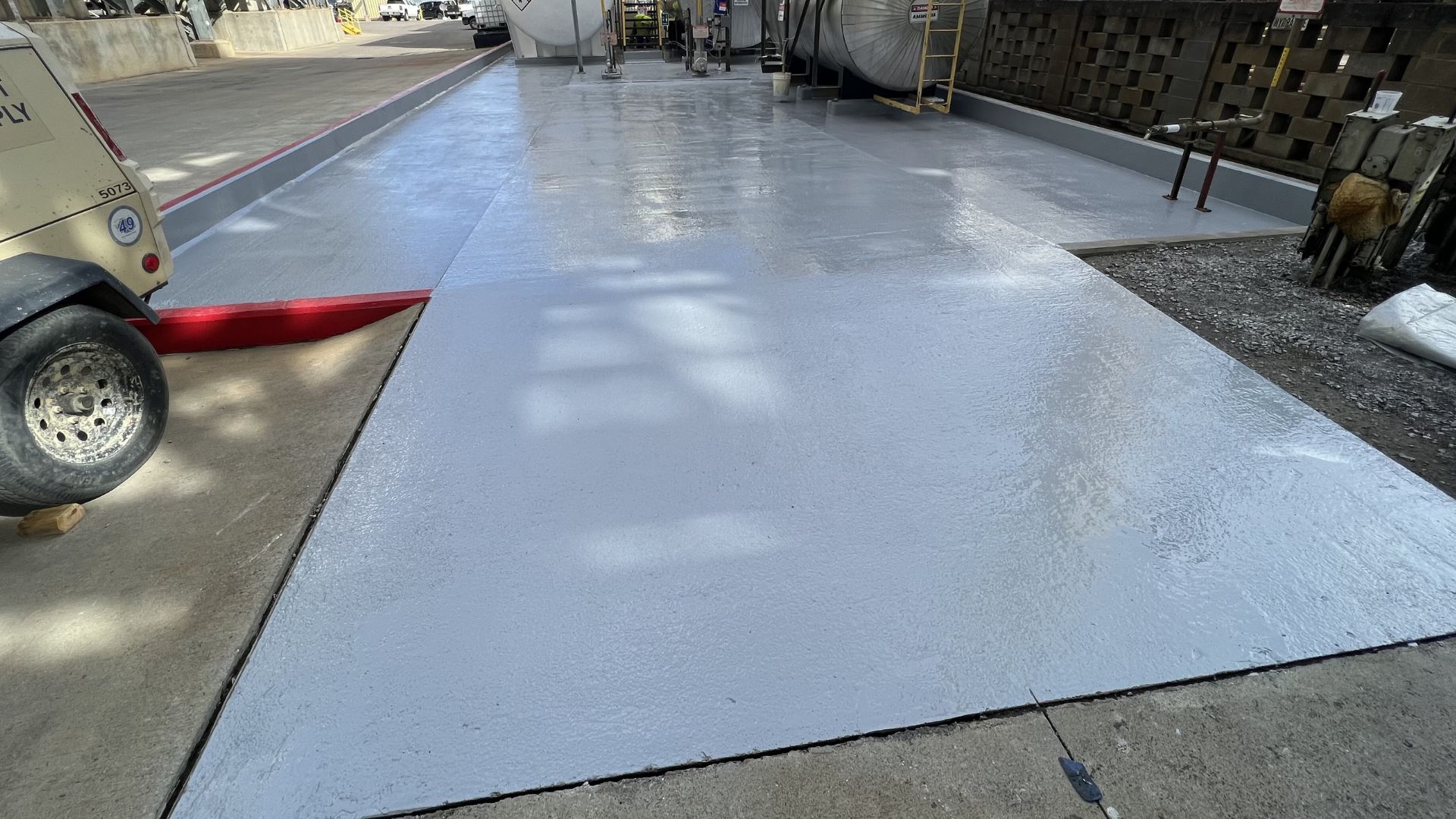
Lining a chemical bund involves more than simply applying a chemical resistant coating to the existing concrete. The substrate needs to be assessed and prepared, damaged concrete repaired and any cracks or areas of movement addressed before the protective coating system is applied.
The selection of the lining system also needs to take account of the chemicals contained within the bund, their concentration, temperature and exposure conditions.
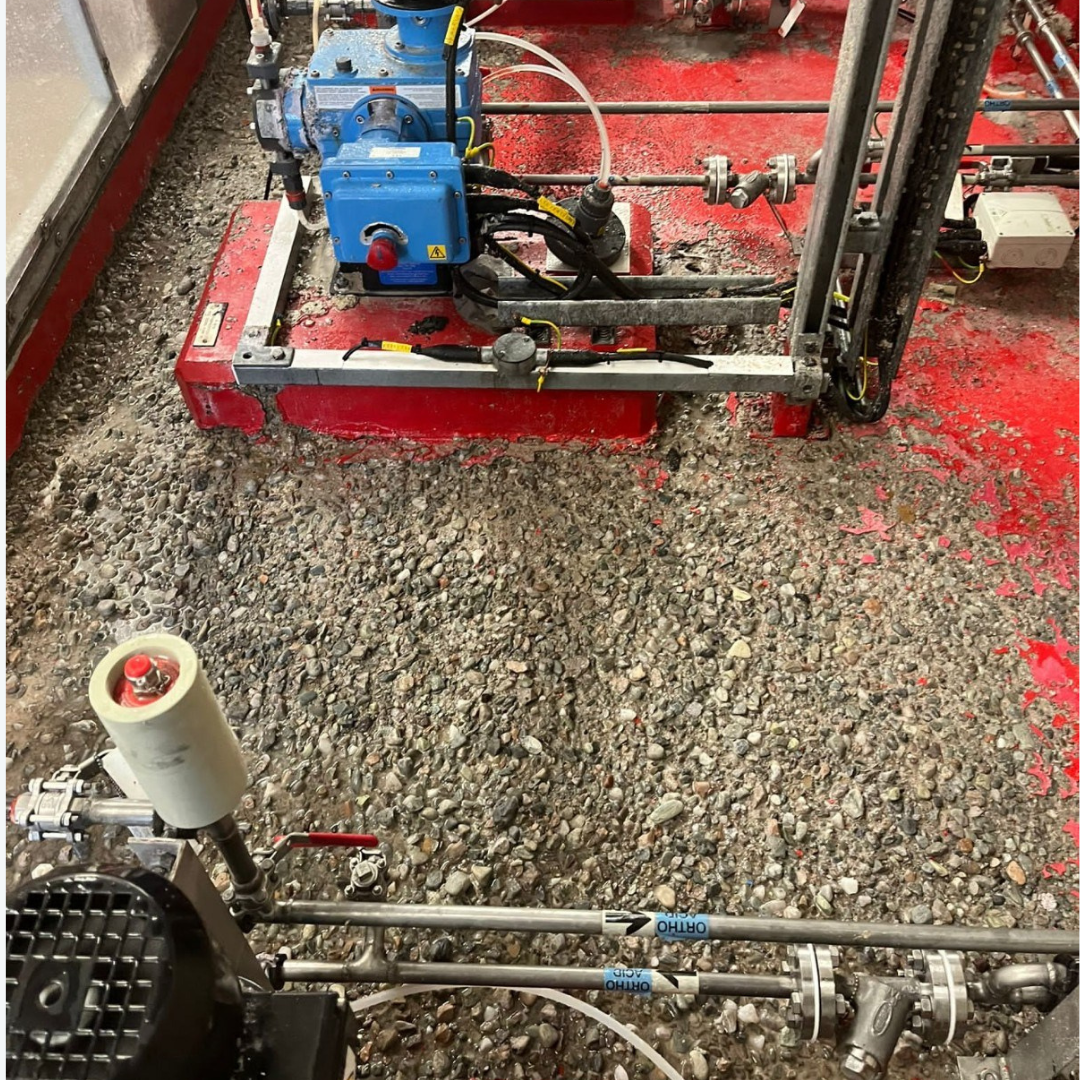
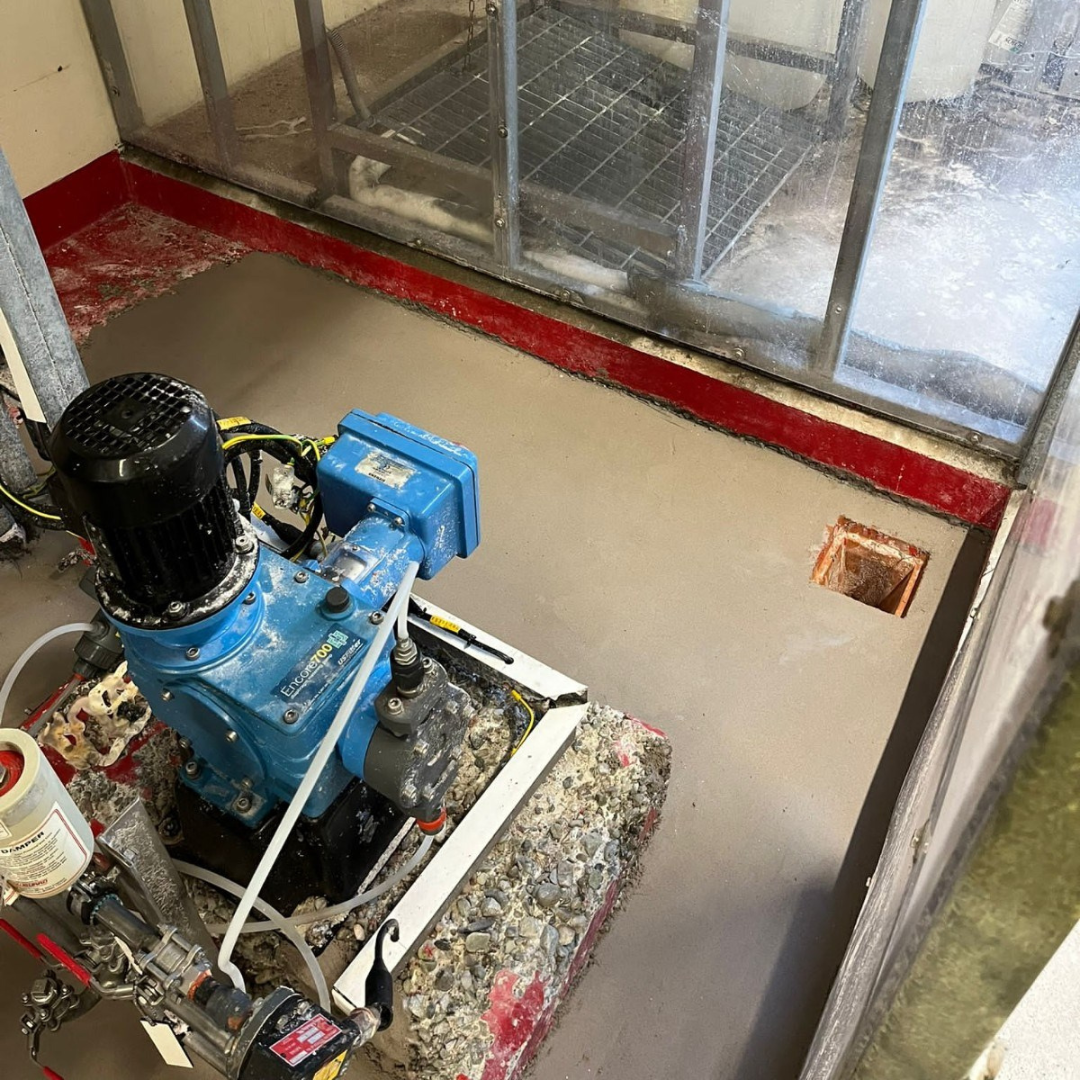
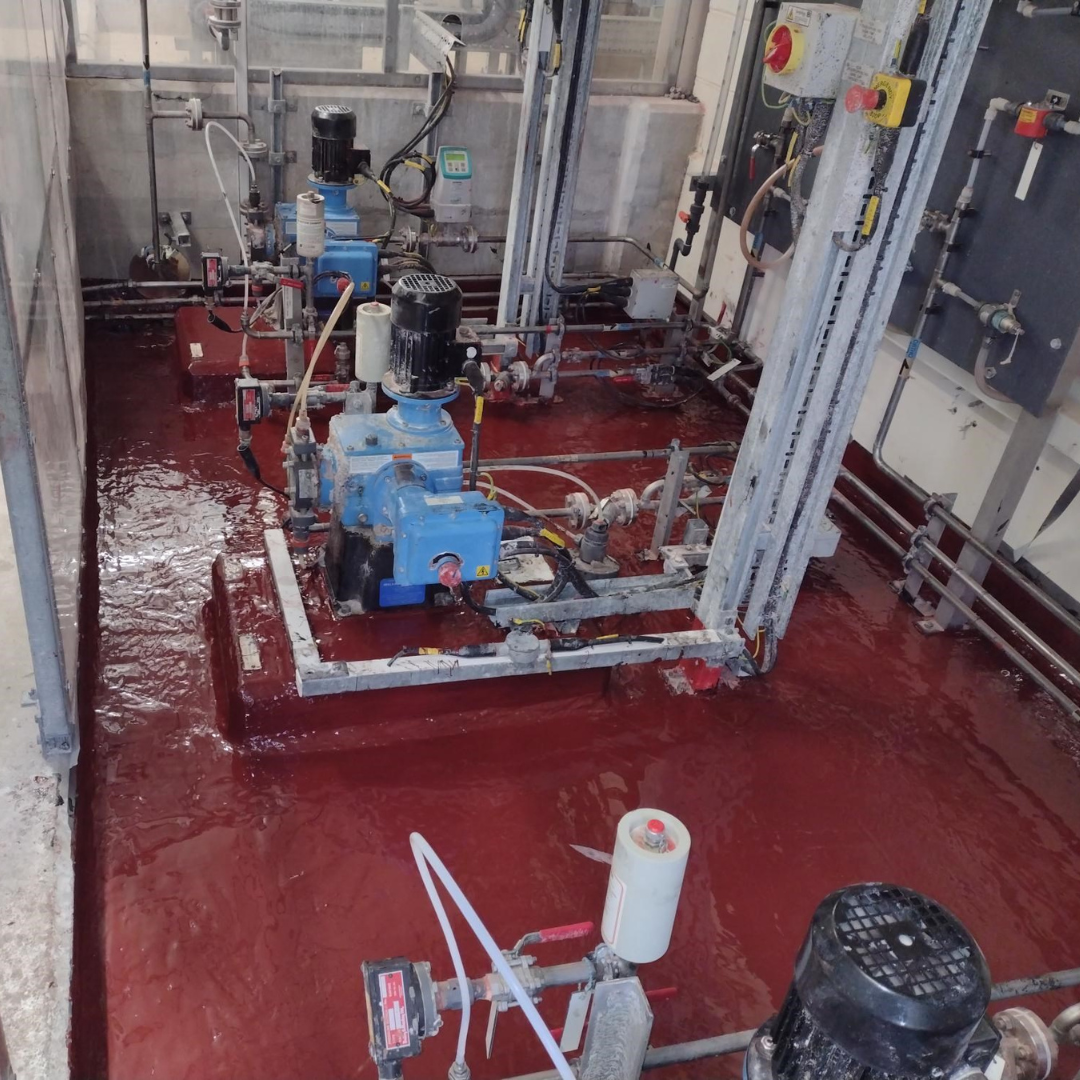
For a practical guide to the process, see How to Line a Chemical Bund
Chemical Resistant Coatings for Pumps and Process Equipment
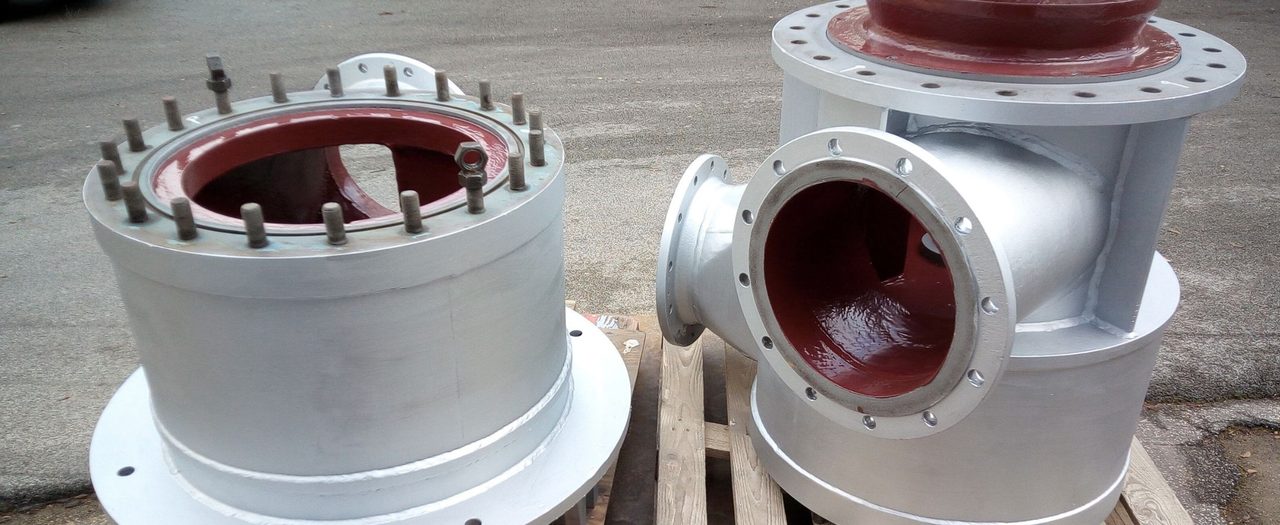
Chemical exposure does not only affect large containment areas. Pumps, pump bases, casings and other process equipment can also be exposed to chemical spills, leakage or aggressive fluids during operation.
Pump bases and plinths can be particularly vulnerable where chemical spills collect around the equipment. Belzona 4341 (Magma CR4) is designed for concrete and metal surfaces exposed to hot inorganic acids and has applications including pump bases, pump casings and chemical transfer areas.
Belzona 4311 (Magma CR1) can be used on pump impellers and volutes to protect against chemical attack, while Belzona 4341 (Magma CR4) is suitable for applications involving hot inorganic acids.
For more information on selecting and applying protective systems for pumps and process equipment, see How to Protect Pumps from Chemical Attack.
Chemical Resistant Coatings for Drains and Channels
Drains and channels can represent another vulnerable point within a chemical handling area. Chemical spills and contaminated liquids can collect in these areas, creating prolonged exposure to the substrate.
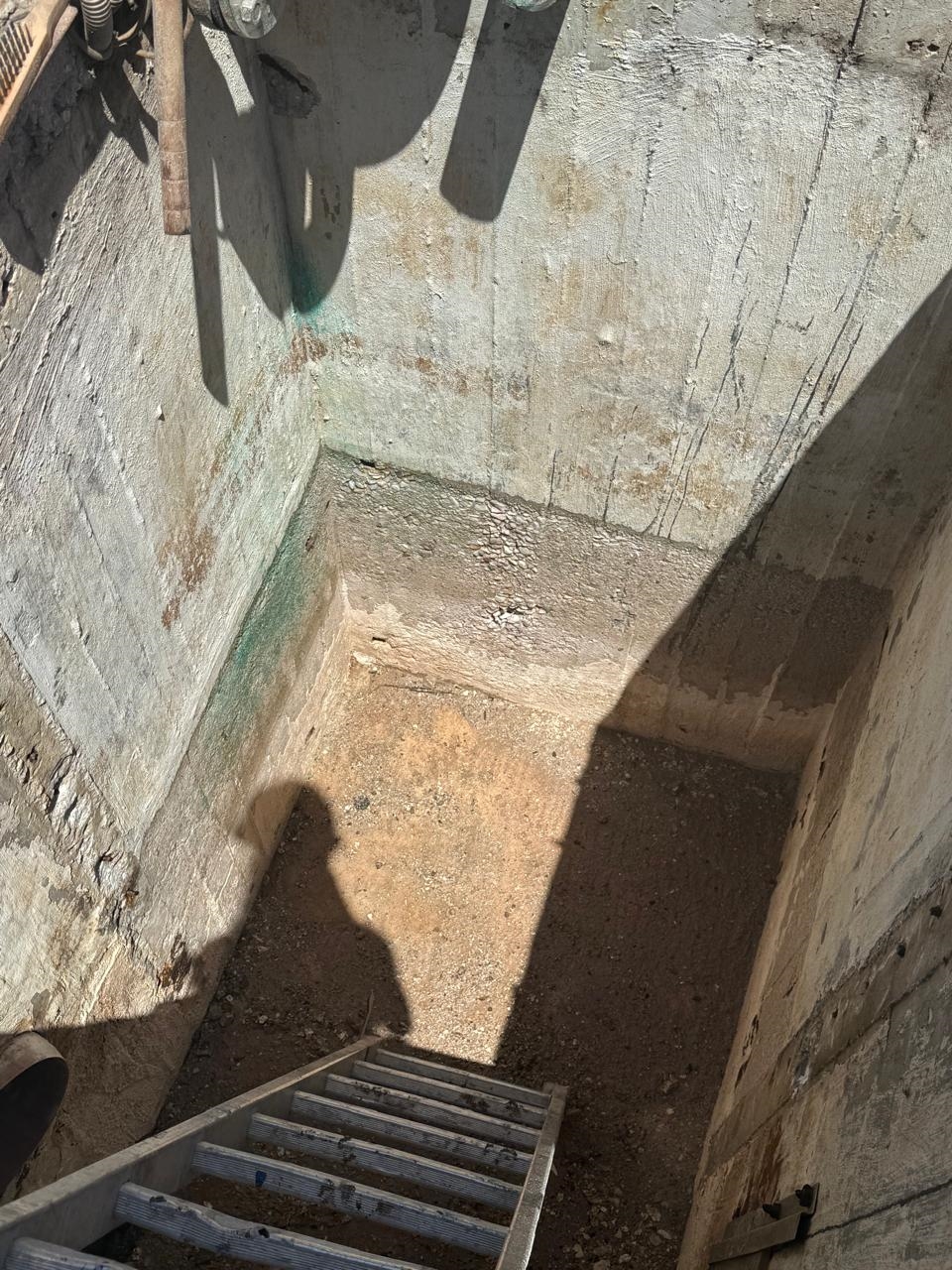
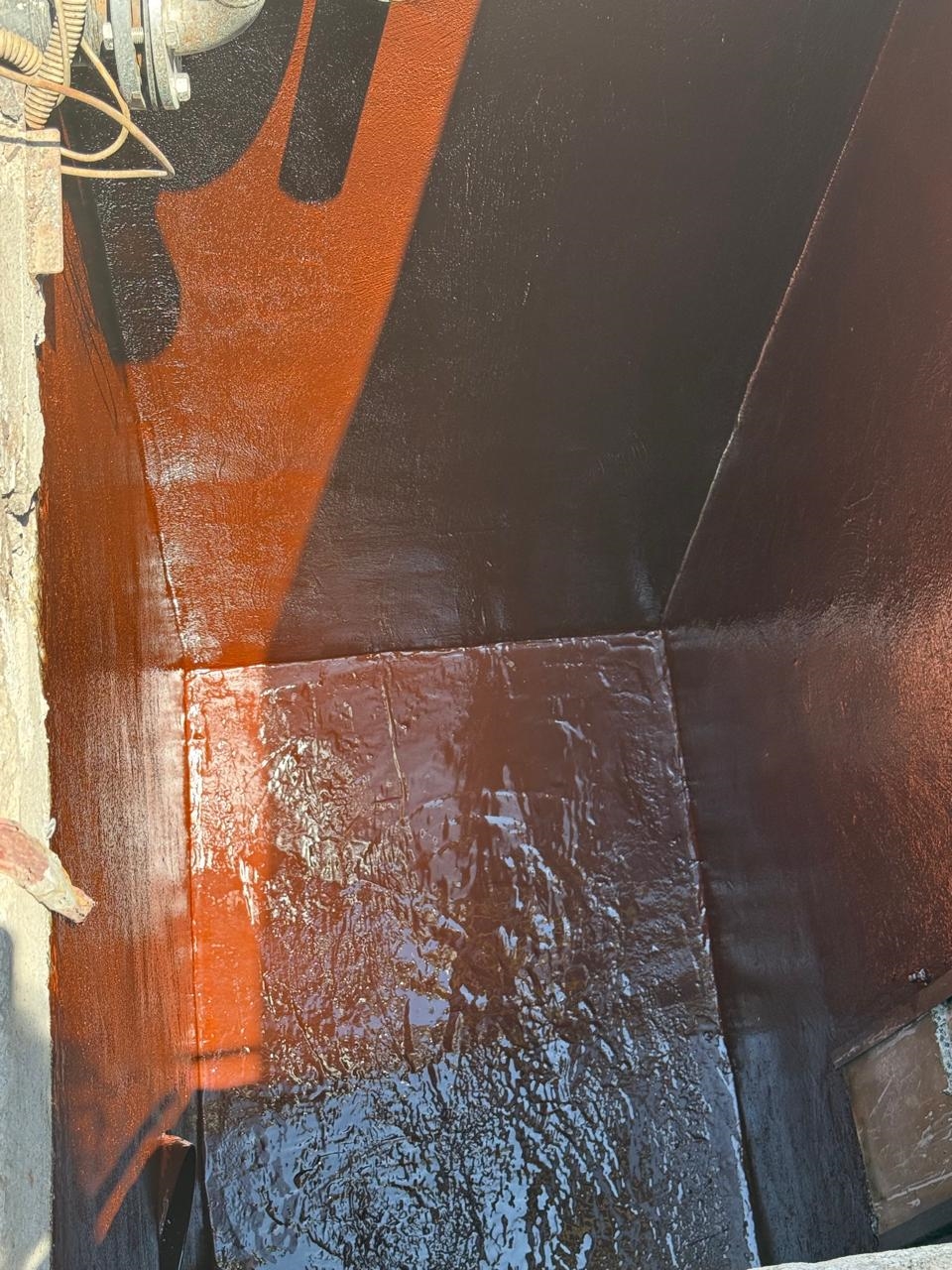
Chemical resistant coatings can be used to seal and protect drains and channels where the selected system is suitable for the chemicals and exposure conditions. Belzona 4311 (Magma CR1) , Belzona 4331 (Magma CR3), Belzona 4341 (Magma CR4) and Belzona 4361 all have documented applications involving chemical drains and channels.
This makes drains, channels and other areas where chemicals can collect an important consideration when assessing the overall chemical protection of an industrial facility.
Frequently Asked Questions
Can a chemical bund be coated if the concrete is cracked?
Yes, but cracks and areas of concrete deterioration need to be addressed as part of the repair and protection system. Depending on the condition of the concrete, Belzona 4111 (Magma-Quartz) can be used to rebuild or repair damaged concrete before applying a suitable chemical resistant coating.
Where cracking requires crack-bridging properties, Belzona 4361 can provide flexible chemical protection for concrete surfaces. The appropriate repair and coating system depends on the condition of the substrate, the chemical exposure and the operating conditions.
What are Belzona chemical resistant coatings used for?
Belzona’s enhanced chemical-resistant coatings provide excellent resistance to a broad range of chemicals including acids and alkaline substances. These products adhere tenaciously to substrates such as concrete, most metals and composites, providing protection to these surfaces in aggressive conditions. These high-performance systems protect structures against the consequences of chemical attack such as downtime, increased maintenance costs and environmental and safety hazards.
Can protective coatings withstand sulphuric acid?
Yes. Belzona offers specialist chemical-resistant coatings designed to protect surfaces exposed to sulphuric acid. Belzona 4341 (Magma CR4) is a two-part epoxy barrier coating specifically optimised for resistance to hot inorganic acids, including sulphuric acid, and can be used on concrete and metal surfaces. It is suitable for applications including chemical storage tanks, acid retaining areas, pump bases, chemical drains and other areas exposed to chemical attack.
For more demanding applications, the correct Belzona system should be selected according to the acid concentration, operating temperature and exposure conditions. Belzona’s chemical resistance data provides specific guidance for individual chemicals and concentrations.
Can Belzona coatings withstand hydrochloric acid?
Yes. Belzona offers chemical-resistant coatings suitable for hydrochloric acid exposure. Belzona 4341 (Magma CR4) is specifically optimised for resistance to hot inorganic acids such as hydrochloric and sulphuric acid, with wet heat resistance stated up to 90°C (194°F). It can be applied to rigid substrates including concrete, stainless steel, mild steel and carbon steel, making it suitable for a range of industrial chemical containment and protection applications.
As with any chemical-resistant coating, the appropriate system should be selected based on the concentration of hydrochloric acid, temperature and type of exposure. Belzona’s chemical resistance data should be consulted to confirm suitability for the specific operating conditions.
Need Help Selecting a Chemical Resistant Coating?
Click to find a Distributor near you.
Learn More

Rhiannon has been working for Belzona for over 16 years and has recently joined the Marketing Team in a Supervisory role. Her expertise lies in lead generation, social media strategy, content marketing and email campaigns.