
Nuclear power plants are among the world’s most demanding industrial environments. Structures and equipment are exposed to corrosion, erosion, chemical attack, cavitation and continuous operation, making effective maintenance essential for long-term reliability.

“As electricity demand continues to grow—driven in part by the rapid expansion of artificial intelligence—keeping existing nuclear assets operating safely and efficiently has never been more important. While much attention focuses on Small Modular Reactors (SMRs) and next-generation nuclear technologies, today’s nuclear fleet will continue providing reliable, low-carbon electricity for decades to come. Extending the service life of existing infrastructure through the use of polymeric repair composites and industrial protective coatings therefore remains a priority.”
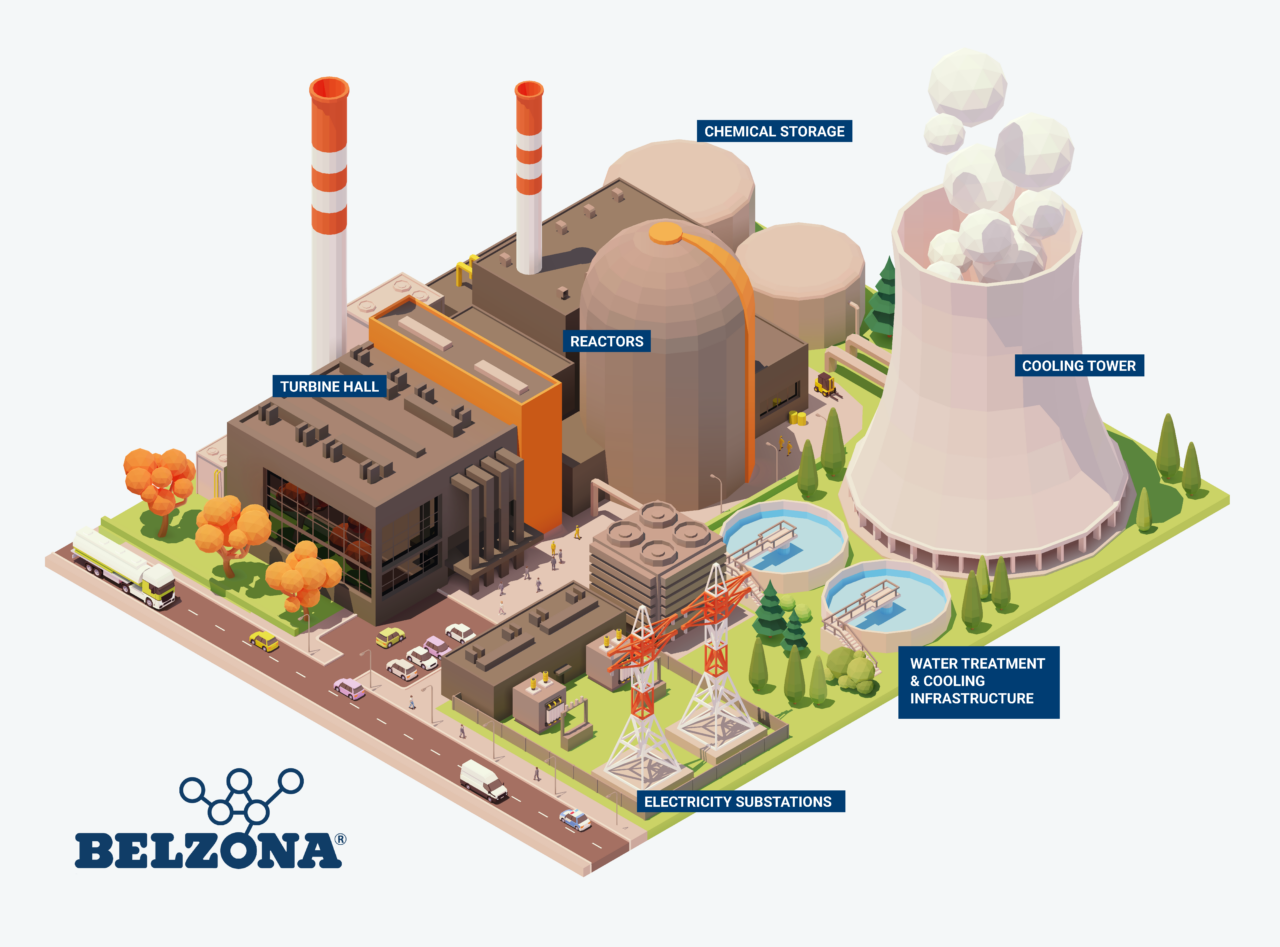
Belzona has supported the nuclear industry for decades. Below are six key areas where polymeric repair composites and protective coatings help repair, protect and improve critical nuclear assets.
Top Six Nuclear Power Plant Maintenance Areas
1. Cooling Water Systems, Pumps and Pipework
- Cooling infrastructure is fundamental to safe nuclear power generation. Pumps, settling ponds, intake structures, traveling screens, condenser water systems, heat exchangers, cooling water pipelines and pipework are continually exposed to erosion-corrosion, cavitation, scaling and microbiologically influenced corrosion (MIC).
- Belzona 1000 Series composites can rebuild worn components, while Belzona 1300 Series protective coatings improve hydraulic efficiency and provide long-term erosion-corrosion protection.
2. Electrical Substations
- Substations contain transformers, concrete bases, support structures and gas-insulated switchgear that can suffer from corrosion, weathering and impact damage.
- Belzona 4000 Series materials repair damaged concrete, Belzona 1000 Series rebuild corroded metal, and Belzona 5000 Series coatings provide long-term corrosion protection.
- Where SF₆ leaks occur on gas-insulated equipment, Belzona SF6-FIX can seal pressurised leaks on flanges and joints without requiring equipment shutdown in many applications.
3. Chemical Storage Areas
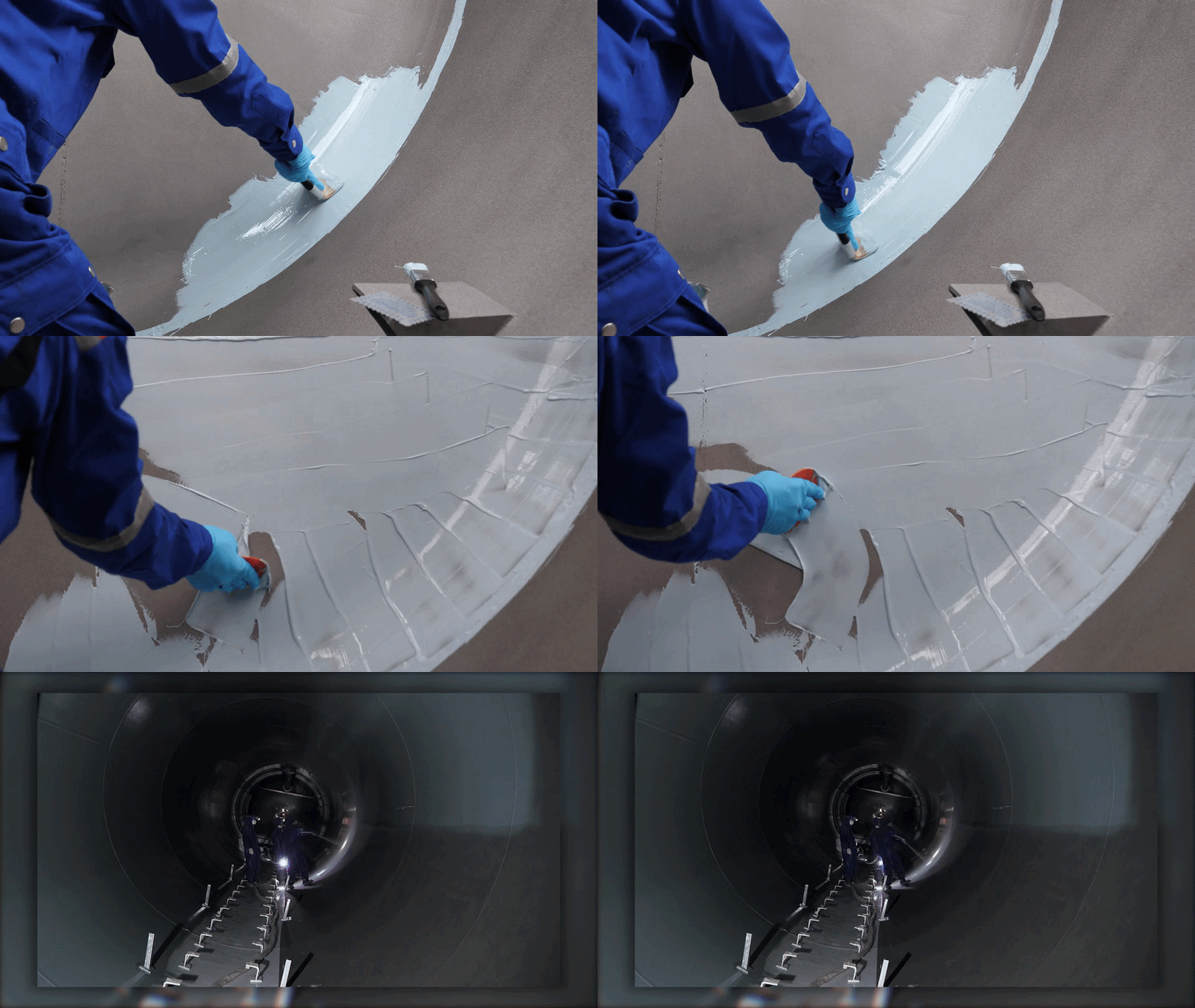
- Chemical storage tanks, bunds and containment systems are regularly exposed to aggressive chemicals, creating the potential for corrosion, leaks and structural deterioration.
- Belzona 1000 Series repair composites can restore damaged metalwork, while Belzona 4000 Series concrete repair materials rebuild degraded structures. Chemically resistant, Belzona 5000 Series coatings can then be applied to provide long-term protection against further attack, helping maintain safe storage facilities.
4. Reactor Support Infrastructure
- Although areas outside primary containment are not exposed to the same conditions as the reactor core itself, they remain vulnerable to corrosion, erosion and mechanical degradation. Over time, these issues can affect both metallic components and surrounding concrete structures.
- Belzona 1000 Series repair composites rebuild damaged metal, while Belzona 4000 Series materials restore deteriorated concrete. Applications are typically focused on structures and non-primary circuit assets associated with reactor facilities, rather than reactor core components themselves.
5. Cooling Towers
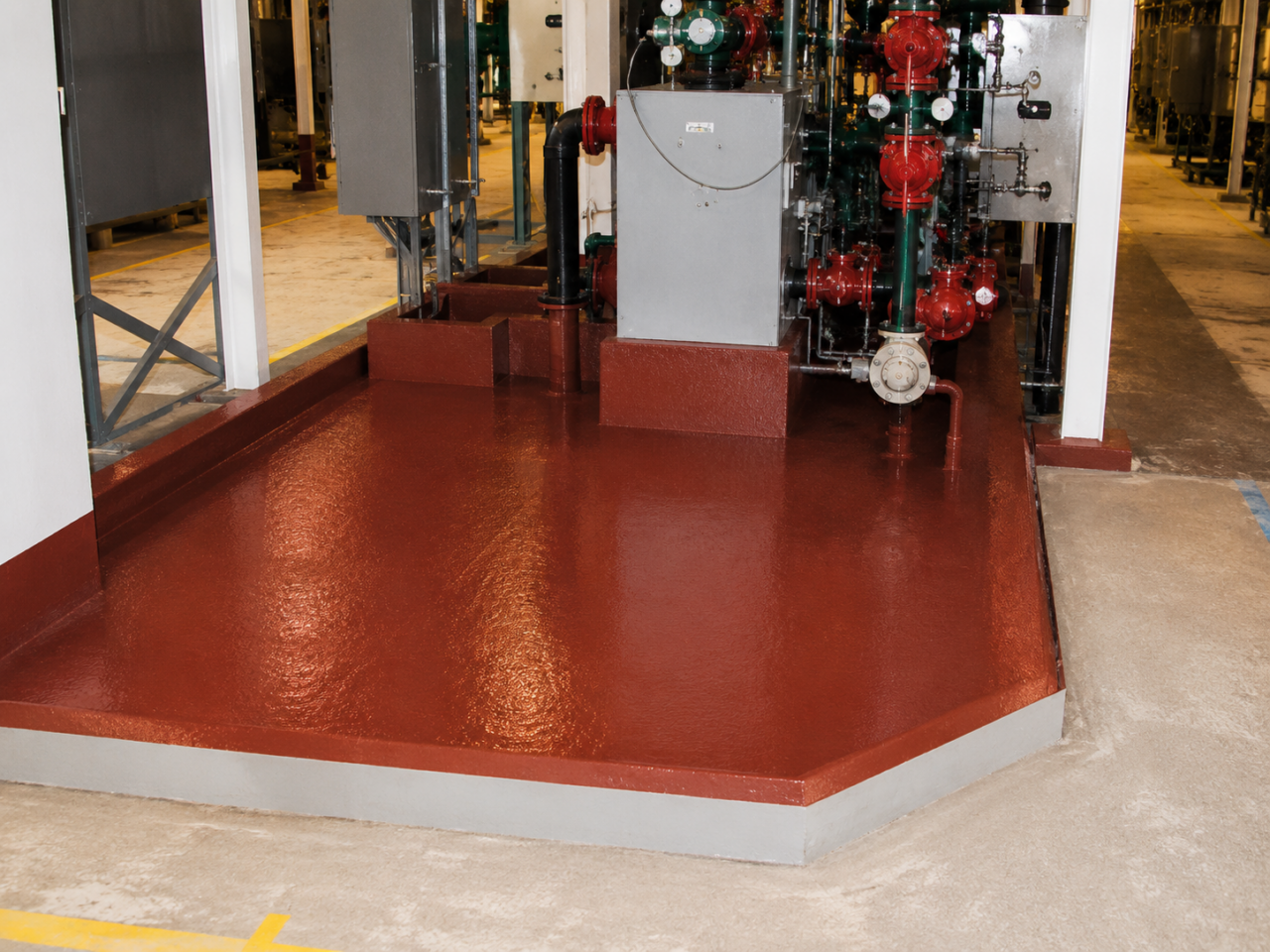
- Cooling towers operate continuously in wet, chemically treated environments, where corrosion, concrete deterioration, biological contamination, leaking joints, chemical attack from treatment chemicals and exposure to weathering can all reduce efficiency and increase maintenance costs.
- Belzona 5800 Series coatings protect metallic components exposed to continuous immersion, while Belzona 4100 Series rebuilding materials restore concrete damaged by chemical attack and spalling.
6. Steam Turbines
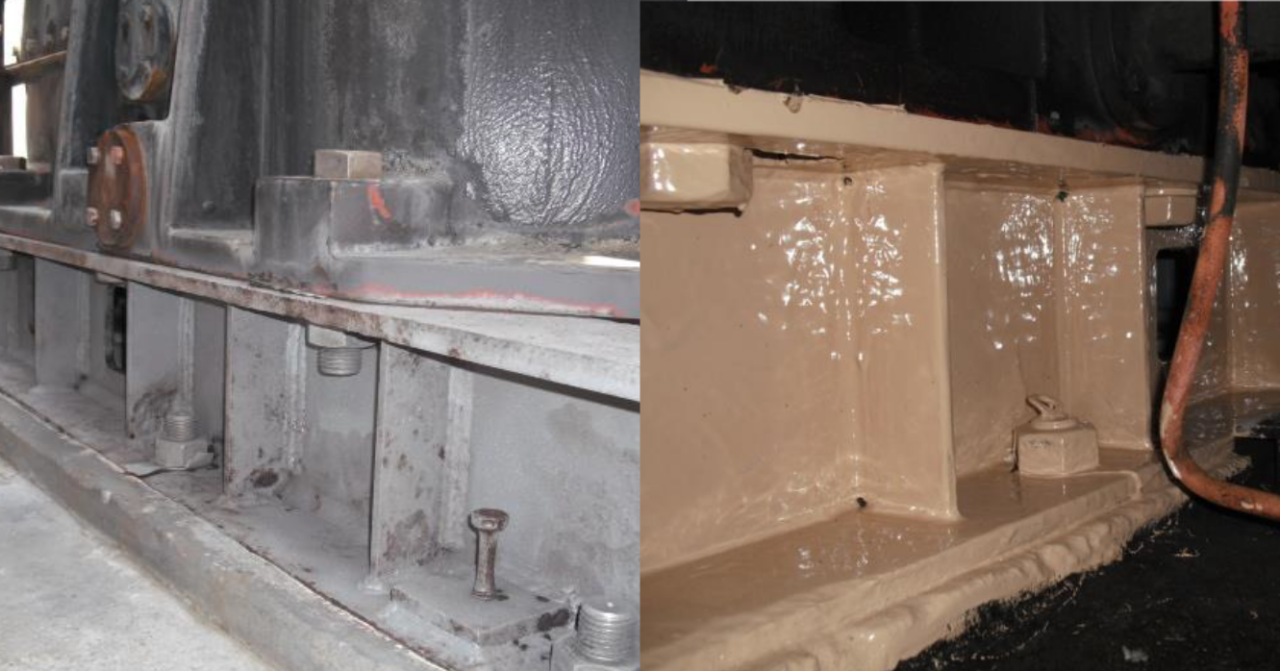
- Steam turbines and associated equipment experience erosion, corrosion, flow-accelerated wear and mechanical damage that can affect shafts, casings and ancillary equipment.
- Belzona 1000 Series composites restore worn component profiles, while Belzona 1300 Series coatings create smooth protective surfaces that improve efficiency and help extend equipment life.
Why Cold-Applied Repair Technologies Matter
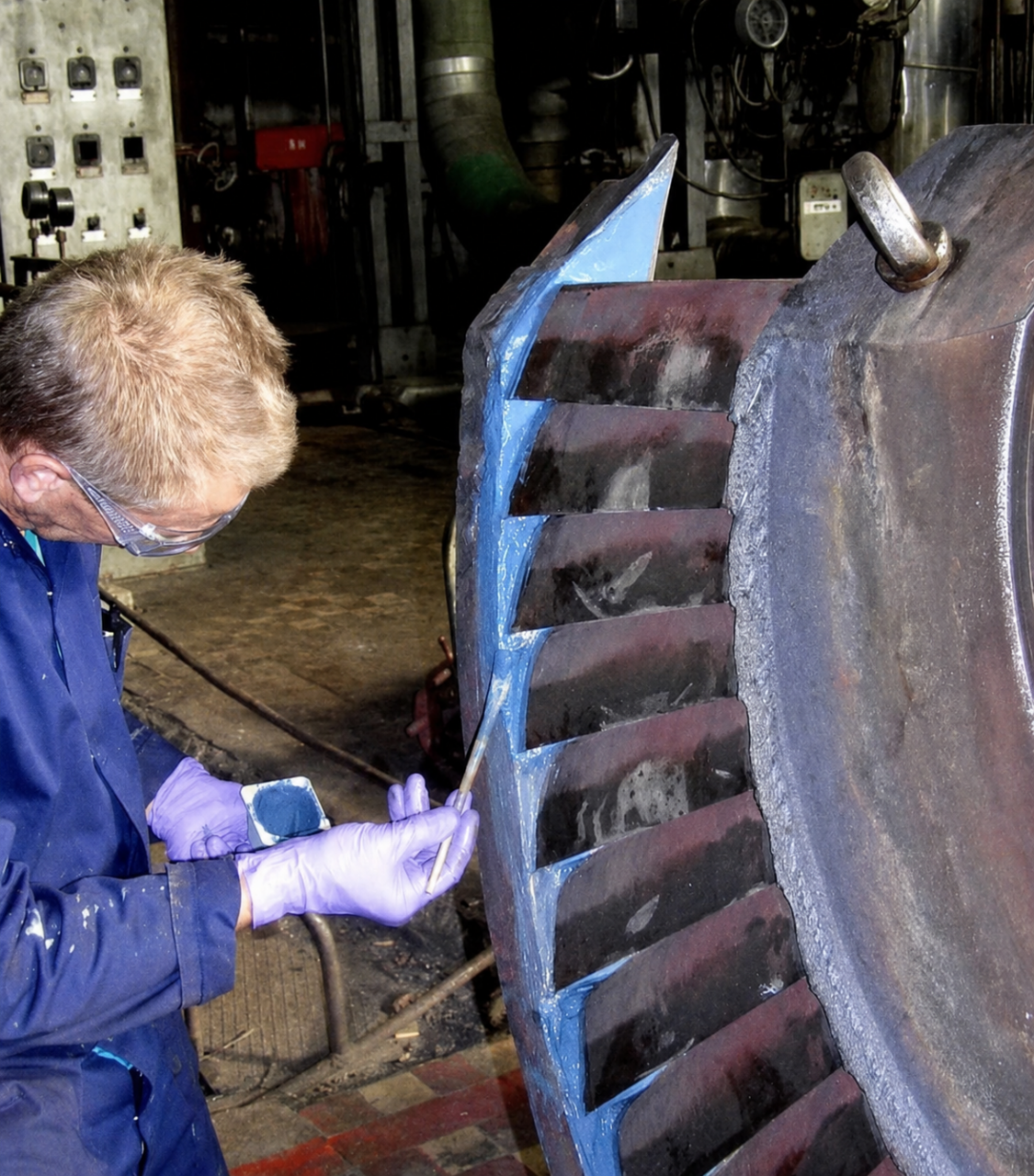
Across nuclear facilities, maintenance solutions must minimise disruption while maintaining the highest engineering standards. Cold-applied polymeric repair composites and protective coatings eliminate the need for hot work permits, can be applied in situ and provide long-term resistance to corrosion, erosion and chemical attack.
Belzona solutions have been successfully used within ASTM 5144 Service Level II and III environments, typically supporting maintenance activities on balance-of-plant infrastructure and non-primary reactor systems. Combined with more than 70 years of polymer technology experience, these solutions help operators extend asset life, improve reliability and maintain critical nuclear infrastructure.
Case Study: Pump Repair and Protection
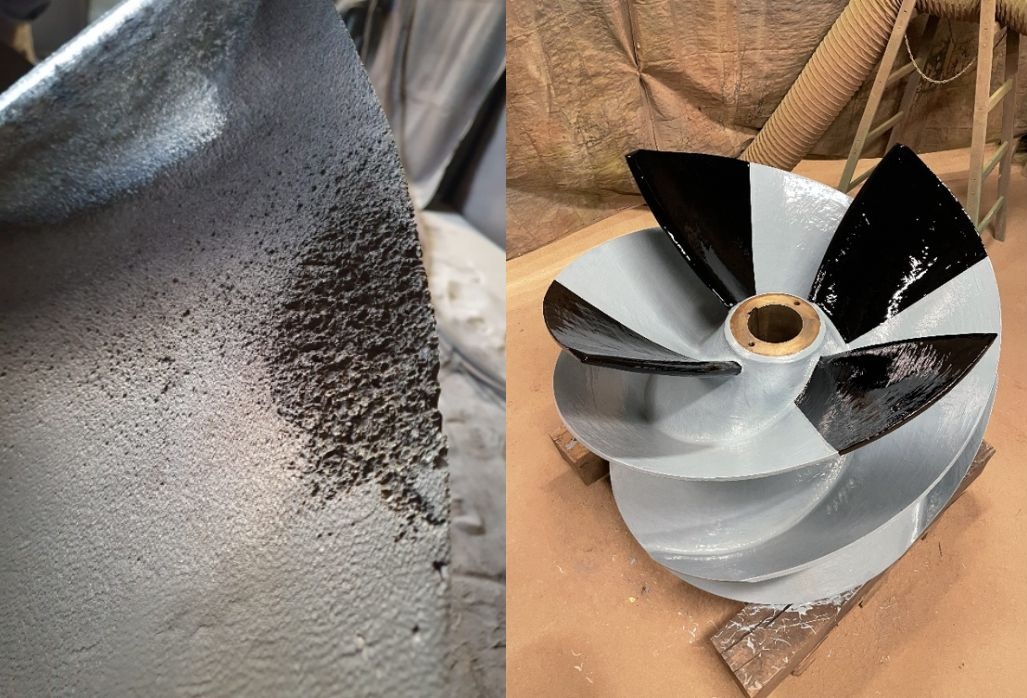
During a planned outage at a Nuclear Power Station in Europe, engineers discovered severe cavitation damage on one of the Plant’s main cooling water pump impellers. Replacing the impeller would have extended the outage considerably, while welding risked distorting the component’s hydrodynamic profile. Instead, following an inspection by authorised Belzona Distributor, ISEA d.o.o., the following solution was carried out.

“The damaged areas were rebuilt using the epoxy repair composite, Belzona 1111 (Super Metal), before the entire impeller was coated with the epoxy coating, Belzona 1341 (Supermetalglide), to improve hydraulic efficiency. Areas exposed to the greatest cavitation forces received additional protection using the polyurethane resin, Belzona 2141 (ACR-Fluid Elastomer). This solution provided a durable repair and long-term protection against cavitation and erosion, while helping to restore the impeller’s hydraulic performance and extend its operational service life.”
Case Study: Pipe Leak Sealed with Composite Wrap System
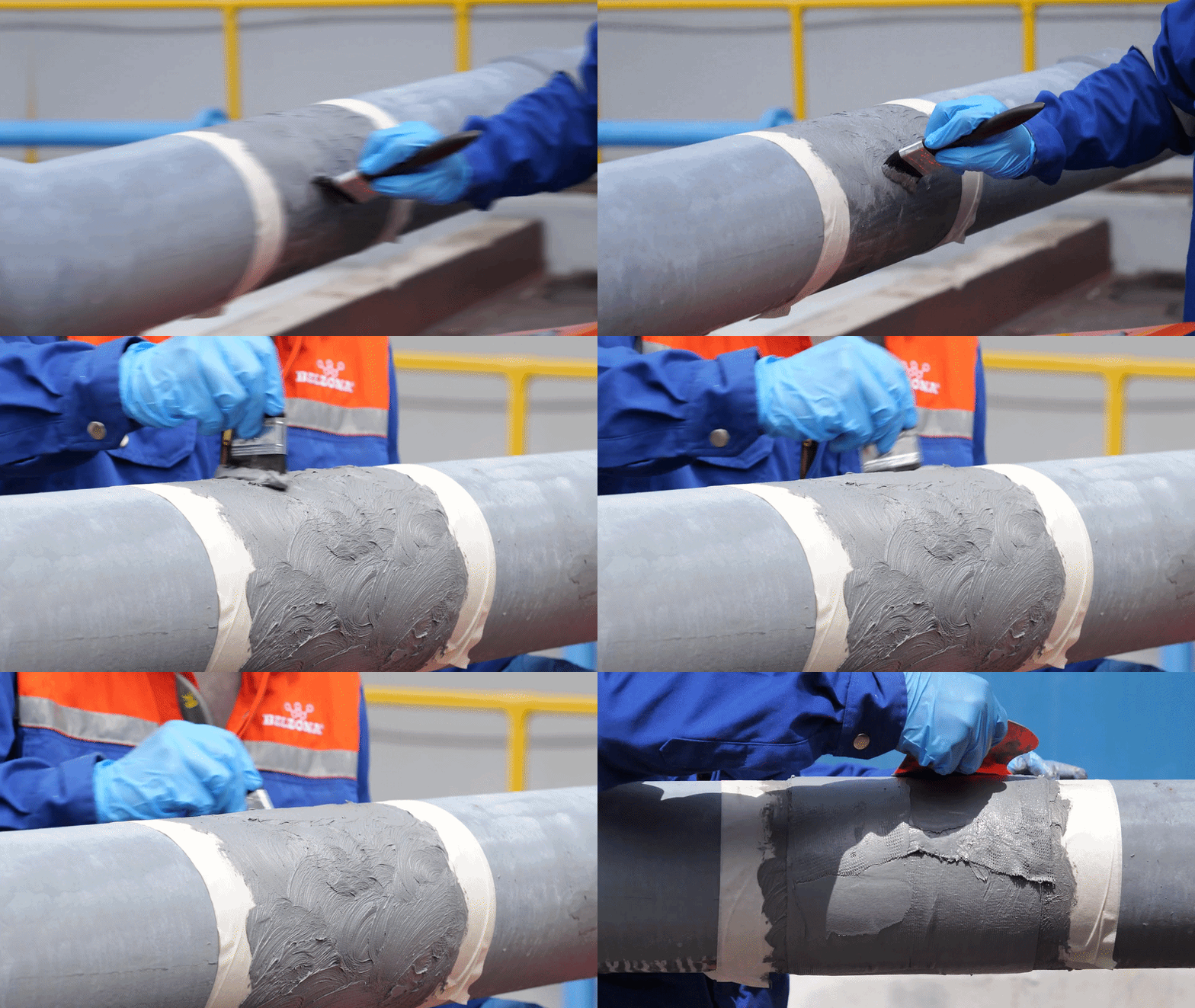
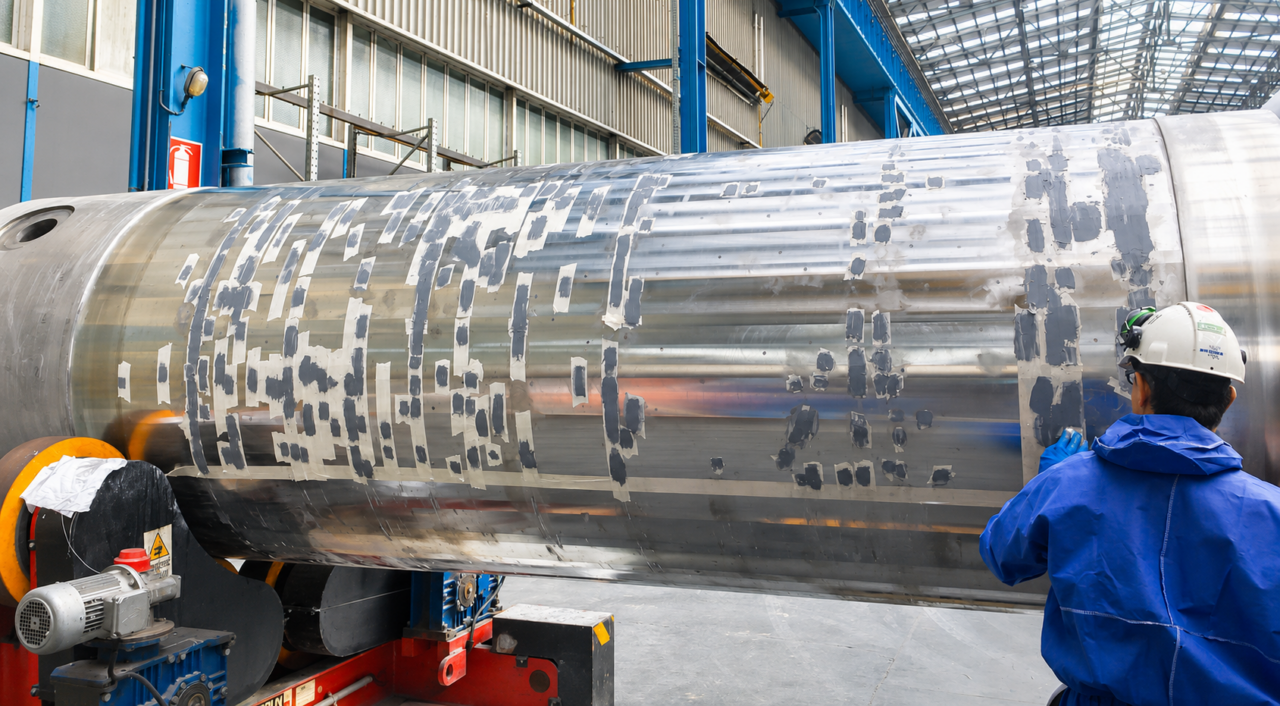
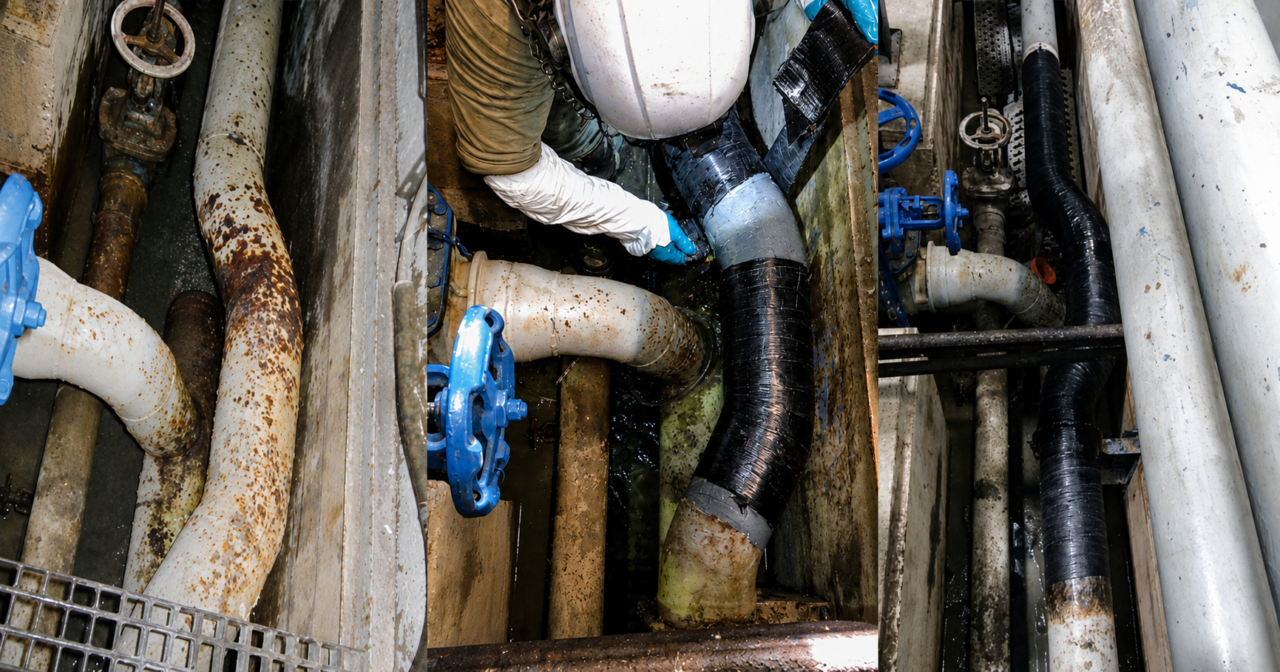
At a Nuclear Power Plant in France, a cooling water pipeline had suffered extensive external corrosion, resulting in a live leak at one of the welds. Because the pipeline could not be taken out of service, conventional repair methods such as grit blasting and welding were not practical. Instead, a combination of polymeric systems was chosen to repair and protect the damaged pipework. The specification and application were carried out by authorised Belzona Distributor, Protecmo.

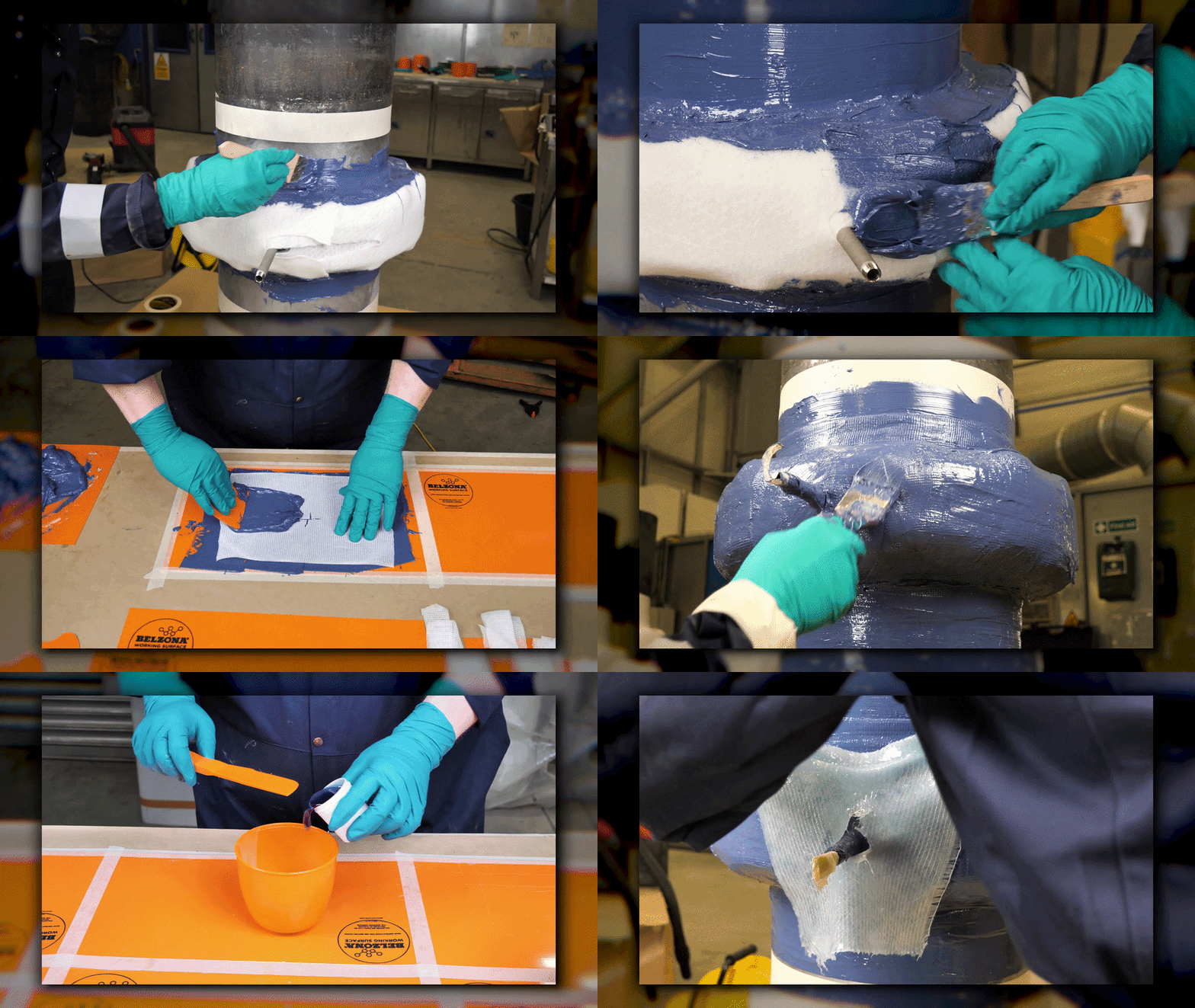
“The leak was first sealed using the surface-tolerant epoxy composite, Belzona 9611 (ES-Metal), while areas of corrosion damage were rebuilt with Belzona 1161 (UW-Super Metal), a material specifically designed for application on wet and oil-contaminated surfaces. The pipeline was then reinforced using the Belzona SuperWrap pipe wrapping composite repair system, incorporating Belzona 1982 Resin and Belzona 9381 Reinforcement Sheet. The repair was completed while the pipeline remained fully operational, eliminating the need for plant downtime. It was also engineered in accordance with ISO 24817, providing a calculated design life of 20 years.”
FAQs
How is nuclear energy produced?
To produce nuclear energy, uranium fuel atoms are split inside a reactor to release heat. This heat generates steam, which drives turbines connected to generators that produce electricity. Because the process does not involve burning fossil fuels, nuclear power provides a reliable source of low-carbon electricity.
What are the advantages and disadvantages of nuclear power plants?
The main advantages and disadvantages include reliable low-carbon electricity generation and high nuclear power plant energy output, balanced against high construction costs, lengthy project timescales and the need for long-term radioactive waste management.
While nuclear plants require regular and rigorous maintenance, Belzona cold-curing systems help to simplify maintenance procedures, maximising uptime and nuclear power plant efficiency.
How many nuclear power reactors are there in the world?
There are about 440 nuclear reactors operating across 31 countries in the world today. Nuclear power plants in the world generate around 9% of global electricity and more than 20% of the world’s low-carbon electricity.
The Kashiwazaki-Kariwa Nuclear Power Station in Japan is the world’s largest nuclear power plant by installed generating capacity, at approximately 8 GW.
What causes corrosion in nuclear power plants?
Corrosion can result from continuous moisture exposure, aggressive chemicals, erosion-corrosion, cavitation, microbiologically influenced corrosion (MIC) and harsh operating environments affecting metallic and concrete assets. Belzona’s comprehensive range of polymeric repair and protection systems can safeguard nuclear assets against corrosion damage.
Where can I find a map of nuclear power plants in the world?
If you’re looking for a map of nuclear power plants in the world, the World Nuclear Association provides an interactive world nuclear power plants map showing the location of operating reactors, reactors under construction and planned facilities across the globe.
The map allows users to explore nuclear power plants worldwide and compare the nuclear fleets of different countries. You can access the interactive nuclear power plants map here: https://world-nuclear.org/information-library/facts-and-figures/nuclear-power-plant-explorer
Learn More
- How to Protect Traveling Screens Using an Epoxy Coating
- Epoxy Metal Repair Composite Guide
- How to Use Epoxy Coatings for Concrete Structures
- How to Stop SF₆ Leakage with Belzona SF6-FIX
Video: Belzona Solutions for the Nuclear Power Industry
Contact Your Local Distributor to Learn More About Belzona Solutions for Nuclear Power Plants

Chloe Hirst is the Senior Copywriter at Belzona Limited and is based in Harrogate, England. She gained a Bachelor’s Degree (with Hons.) in Media and Communications (specialising in Journalism) at Goldsmiths College, University of London. Chloe regularly writes case studies and thought leadership content featuring a variety of different industries, with a special focus on the renewables sector. In both 2023 and 2024, she won the Best Manufacturing Content Creation Specialist (UK) Award as part of Acquisition International’s Influential Businesswoman Awards.



Great work Chloe,
thanks for finding better photo of mine..
Cheers
Ivan
Thank you Ivan! Thank you so much for sharing your fantastic case study!