
Overview
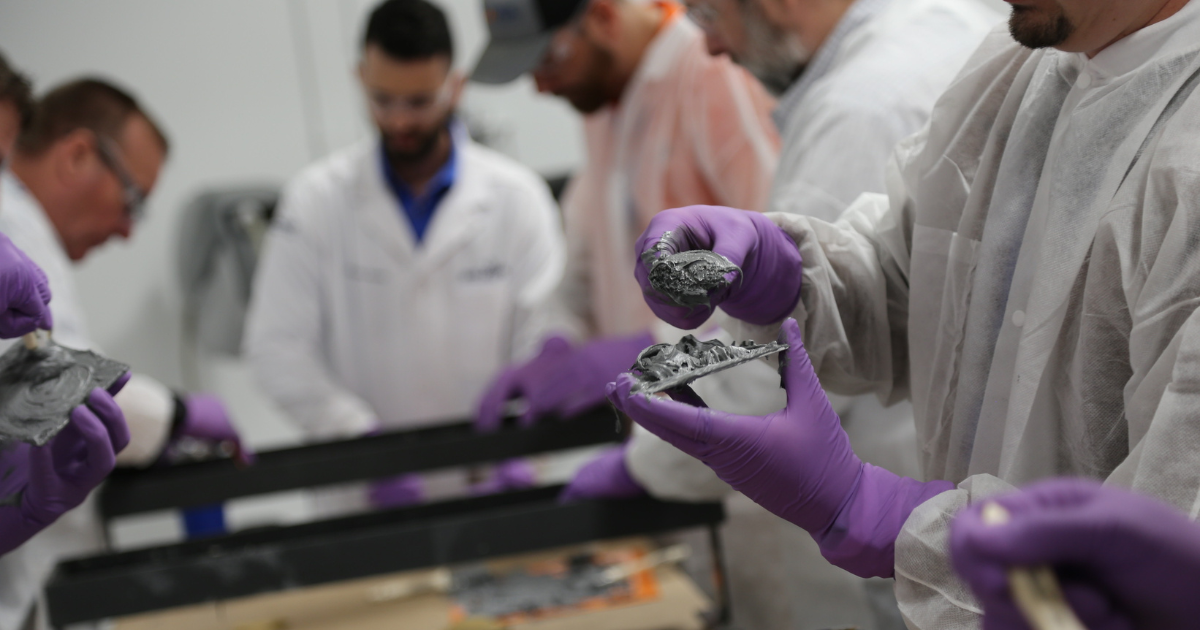
Industrial assets operate in demanding environments where corrosion, abrasion, chemical attack, and environmental exposure can quickly degrade equipment performance. For maintenance professionals responsible for keeping facilities running efficiently, protecting critical assets while minimizing downtime is a constant challenge. Industrial coatings play a vital role in maintenance strategies by providing durable protective layers that help extend asset life, prevent damage, and reduce costly repairs or replacements.
Unlike decorative coatings, industrial maintenance coatings are engineered to withstand harsh operating conditions and restore and protect equipment in service. From pipelines and tanks to pumps, structural metal, and processing equipment, these protective systems can help maintenance teams address common problems such as corrosion, erosion, leaks, and environmental deterioration. In many cases, industrial coatings also allow repairs to be completed in situ, reducing the need for extensive shutdowns or hot work.
This guide explores what industrial coatings are, why they are widely used in maintenance programs, the different types available, and how to choose the right coating solution. Whether you are looking to protect new equipment or extend the service life of aging infrastructure, understanding how industrial coatings work can help maintenance teams make more informed decisions and maintain reliable operations.
What Are Industrial Coatings?
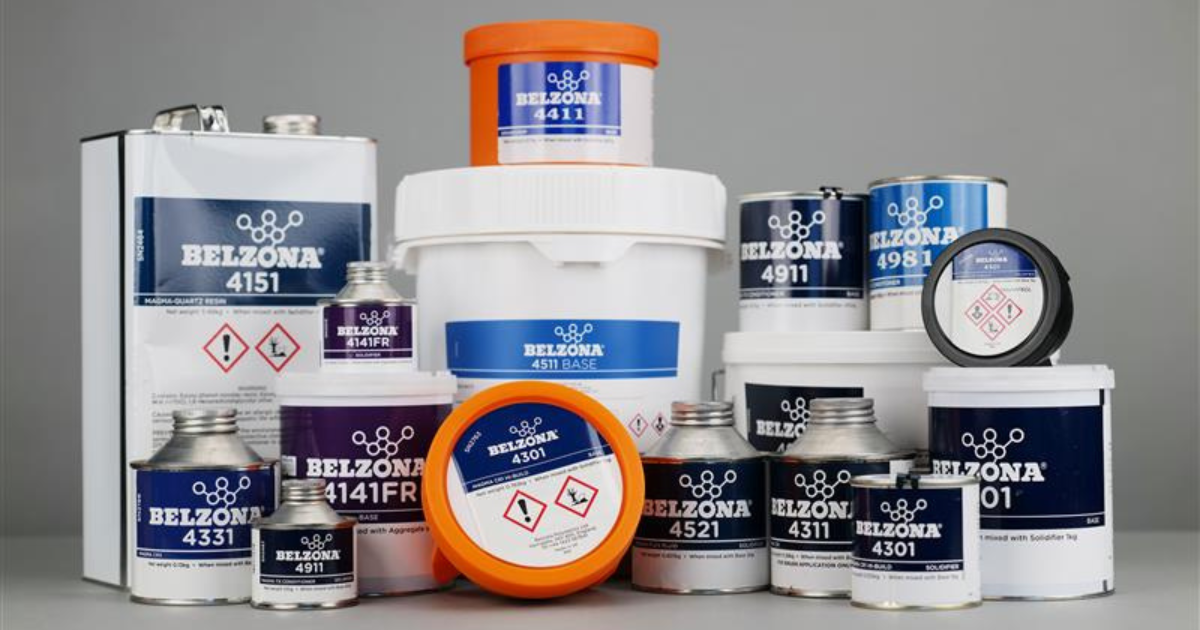
Industrial coatings are specialized protective materials applied to surfaces to protect equipment, structures, and infrastructure from damage caused by harsh operating conditions. Unlike decorative paints, which are primarily designed for appearance, industrial coating systems are engineered to provide long-term performance in environments where assets may be exposed to corrosion, abrasion, chemical attack, moisture, high temperatures, or other aggressive conditions.
These coatings typically consist of advanced resin systems, such as epoxies, polyurethanes, or ceramic-filled composites, that create a durable barrier between the asset and its surrounding environment. When properly applied, industrial coatings help prevent deterioration of underlying materials like steel or concrete, preserving structural integrity and extending the service life of critical equipment.
Common Maintenance Challenges Protective Coatings Can Solve
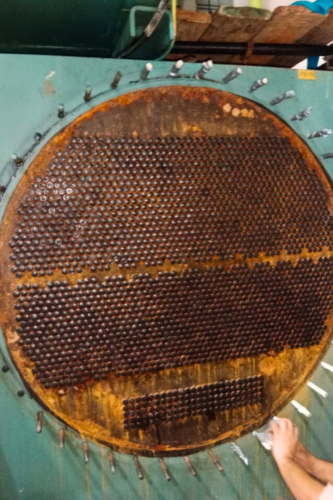
Industrial equipment is constantly exposed to conditions that accelerate wear and deterioration. One of the most common challenges maintenance teams face is corrosion, particularly on metal assets such as pipelines, tanks, structural steel, and pumps. Moisture, oxygen, chemicals, and environmental exposure can gradually break down these surfaces, weakening the asset and increasing the risk of leaks or structural failure. Protective industrial coatings help combat this issue by creating a protective barrier that isolates the substrate from corrosive elements, significantly slowing down degradation and extending equipment service life.
Beyond corrosion, many facilities also struggle with abrasion, erosion, chemical attack, and environmental damage. High-flow materials can wear down pumps, chutes, and pipework, while aggressive chemicals can degrade containment areas and process equipment. Exposure to sunlight, temperature fluctuations, and moisture can also cause surfaces to crack or deteriorate over time. Industrial maintenance coatings are designed to withstand these demanding conditions, allowing maintenance teams to protect assets, restore damaged surfaces, and reduce the frequency of costly repairs or replacements.
Types of Coatings Used in Maintenance Applications
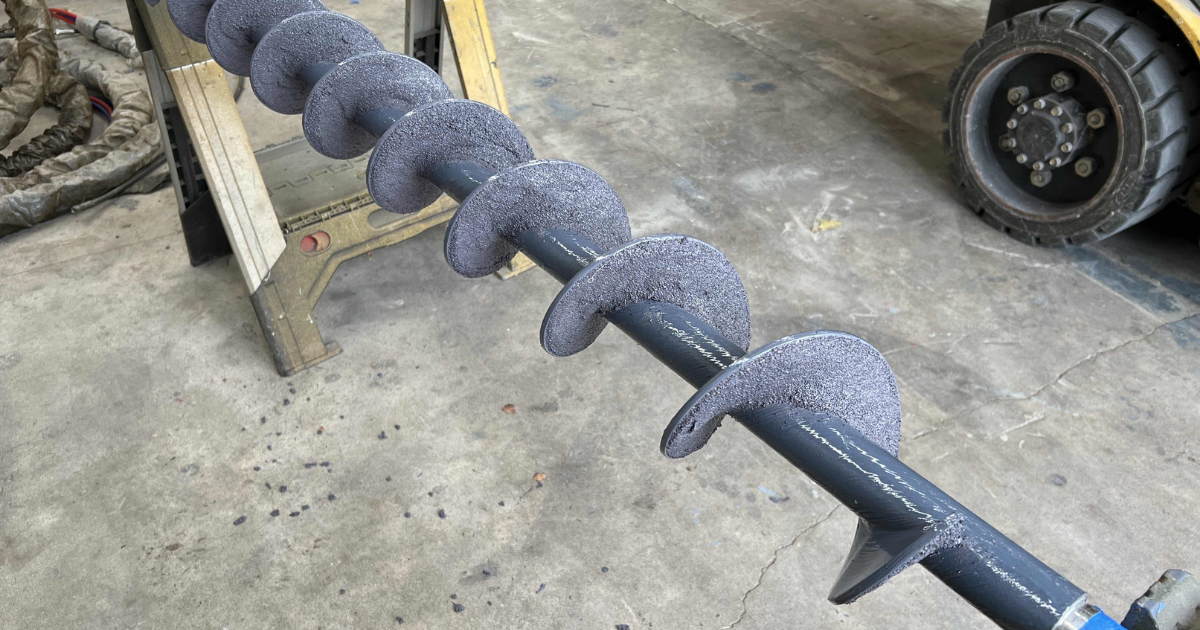
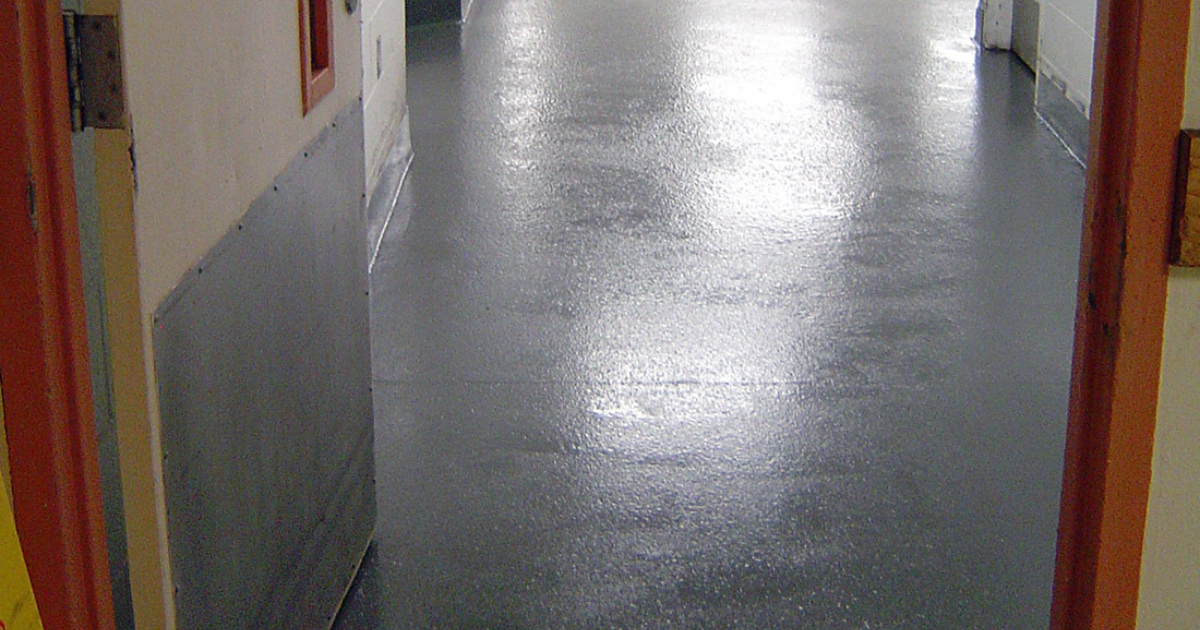
A wide range of industrial coatings are used in maintenance applications, each designed to address specific types of damage or environmental exposure. Among the most common are industrial epoxy coatings, which are widely valued for their strong adhesion, durability, and resistance to corrosion and chemicals. These coatings are frequently used to protect metal and concrete surfaces in demanding environments. Ceramic-filled coatings are another important category, formulated with hard reinforcing particles that enhance resistance to abrasion and erosion. These coatings are often applied to equipment exposed to high wear, such as pumps, pipework, and material-handling components.
Other types of maintenance repair coatings are designed to address more specialized conditions. Elastomeric coatings, for example, provide flexibility and are often used where surfaces experience movement, vibration, or thermal expansion. Chemical-resistant coatings are formulated to withstand exposure to aggressive substances that can degrade conventional materials, while high-build protective coatings provide thick, durable barriers that help shield assets from moisture, corrosion, and environmental damage. By selecting the appropriate coating type for the operating conditions, maintenance teams can better protect equipment and extend the lifespan of critical assets.
Industrial Coatings vs Traditional Maintenance Methods
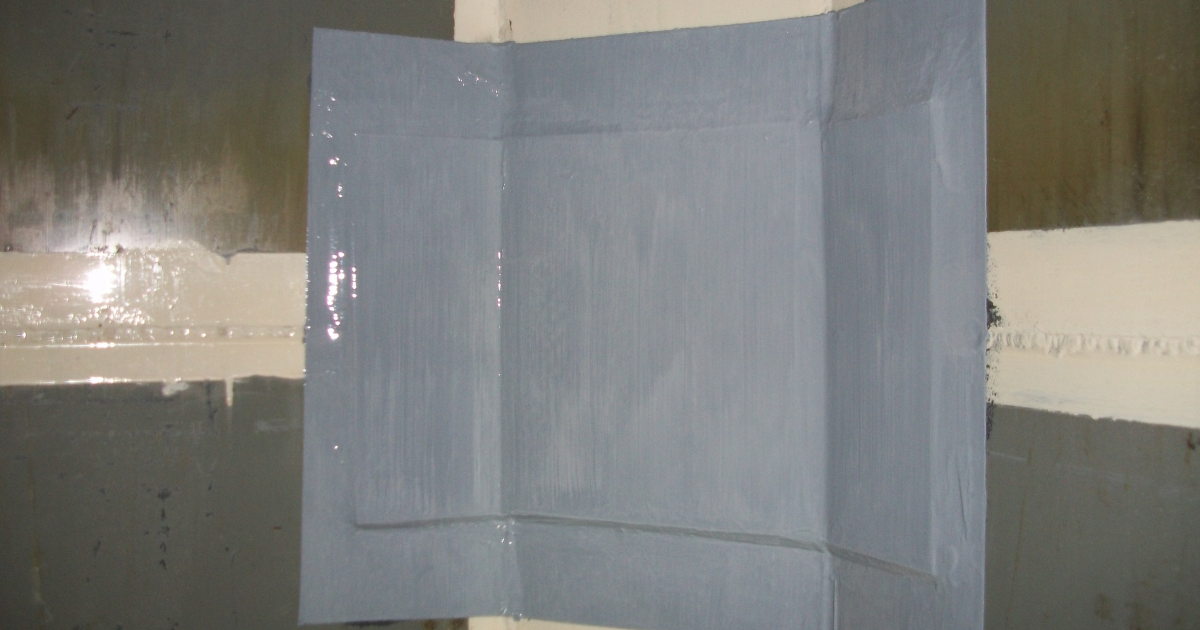
Maintenance teams often rely on traditional repair methods such as welding, mechanical repairs, or full equipment replacement when assets begin to deteriorate. While these approaches can be effective, they frequently require significant downtime, specialized labor, and in some cases, hot work permits or equipment removal. Industrial coating systems offer an alternative solution that can restore and protect damaged surfaces without many of the logistical challenges associated with more invasive repairs.
In many situations, coatings can be applied directly on site to rebuild worn areas, seal minor damage, or provide long-term protection against further deterioration. This ability to perform repairs in situ allows maintenance teams to extend asset life while minimizing operational disruptions. As a result, protective industrial coatings are increasingly used as part of maintenance strategies aimed at reducing downtime, lowering repair costs, and improving equipment reliability.
Why Coatings Fail (and How to Avoid It)
Although industrial coatings are designed for demanding environments, failures can occur if key factors are overlooked during the repair process. One of the most common causes of coating failure is inadequate surface preparation, which can prevent the coating from bonding properly to the substrate. Incorrect product selection is another frequent issue, particularly when the coating is not suited to the asset’s operating conditions, such as exposure to chemicals, high temperatures, or heavy abrasion.
To avoid these problems, maintenance teams should carefully assess the service environment, ensure the surface is properly prepared, and select a coating system that is specifically designed for the conditions the asset will face. Following proper application procedures and consulting with experienced coating specialists can also help ensure that repairs perform as intended. With the right preparation and product selection, industrial maintenance coatings can provide long-lasting protection and help prevent recurring maintenance issues.
When Should Maintenance Teams Consider Industrial Coatings?
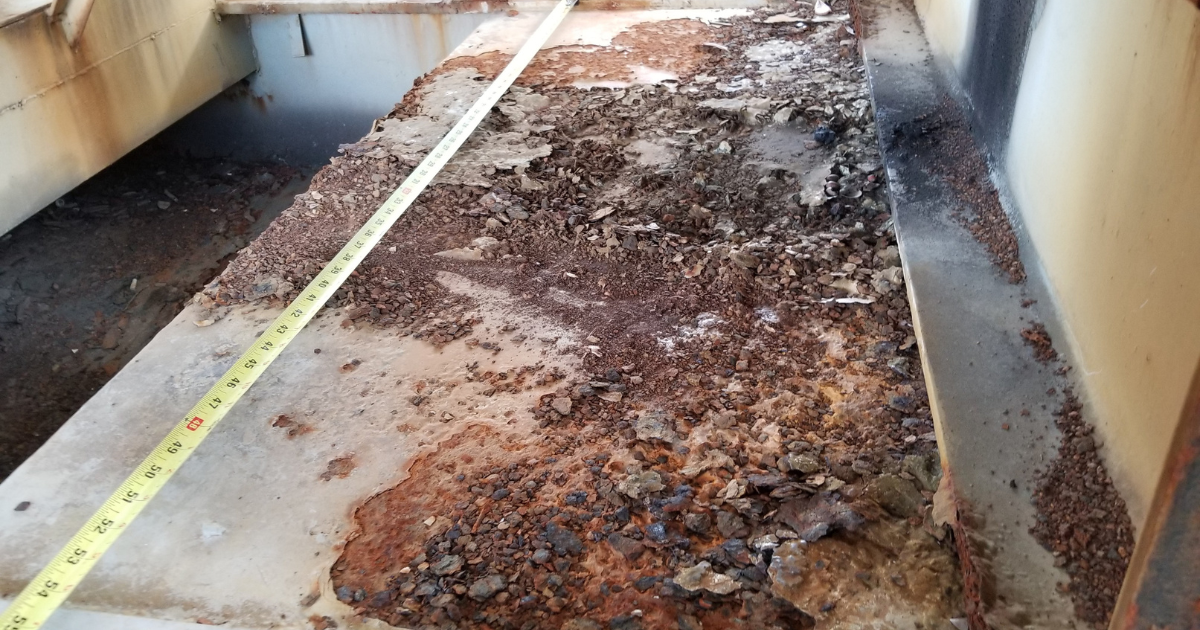
Maintenance teams should consider industrial coatings when equipment begins to show signs of deterioration or when assets operate in environments that accelerate wear and corrosion. Early indicators such as rust, surface pitting, minor leaks, or abrasion damage often signal that protective measures are needed to prevent more serious failures. Applying a coating at this stage can help stabilize the surface, prevent further degradation, and extend the service life of the asset without requiring extensive repairs or replacement.
Industrial coatings are also a practical solution when facilities face limited shutdown windows, high replacement costs, or safety concerns associated with traditional repairs. In many cases, coatings can be applied directly on site, allowing maintenance teams to protect or restore equipment while minimizing disruption to operations. By incorporating coating solutions into routine maintenance planning, organizations can shift from reactive repairs to more proactive asset protection strategies.
Industrial Coatings Across Multiple Industries
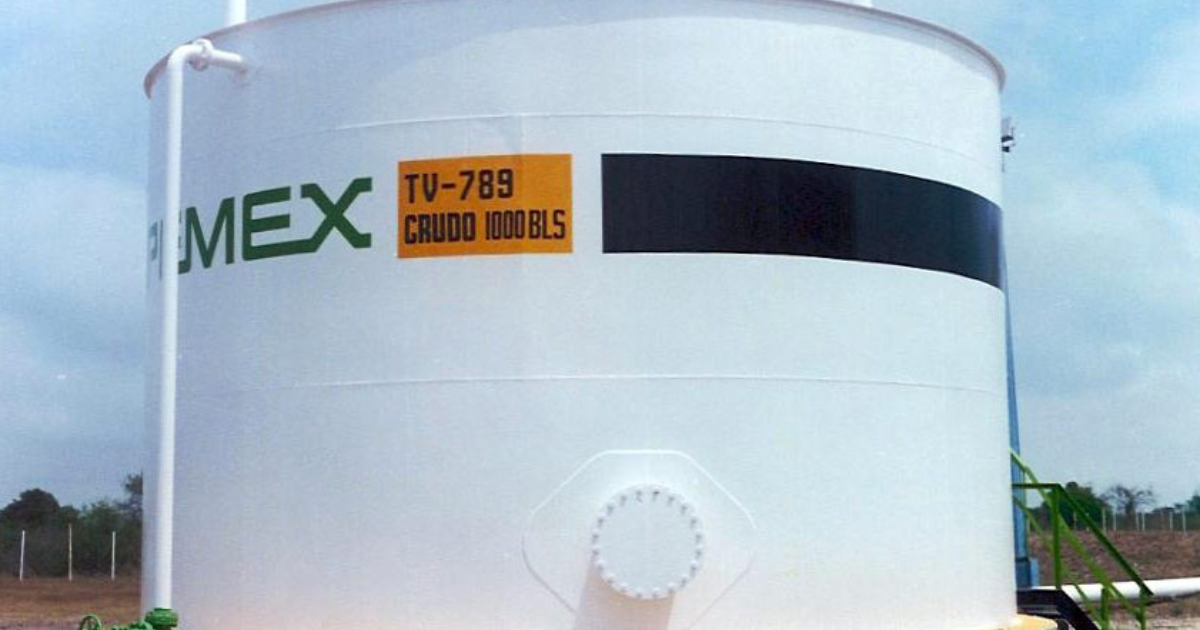
Industrial coating systems are used across a wide range of industries because many facilities face similar challenges related to corrosion, wear, chemical exposure, and environmental damage. Assets such as pipelines, tanks, pumps, structural steel, and concrete infrastructure are commonly exposed to conditions that can lead to gradual deterioration if left unprotected. Industrial coatings provide a versatile solution that can help protect these surfaces and maintain reliable operation in demanding environments.
As a result, maintenance teams in sectors such as manufacturing, water and wastewater treatment, power generation, marine operations, and processing facilities frequently rely on protective coating systems as part of their maintenance programs. While the specific conditions may vary from one industry to another, the goal remains the same: to protect critical assets, extend equipment lifespan, and reduce the cost and disruption associated with major repairs or replacement.
Why Industrial Coatings Are Essential Tools
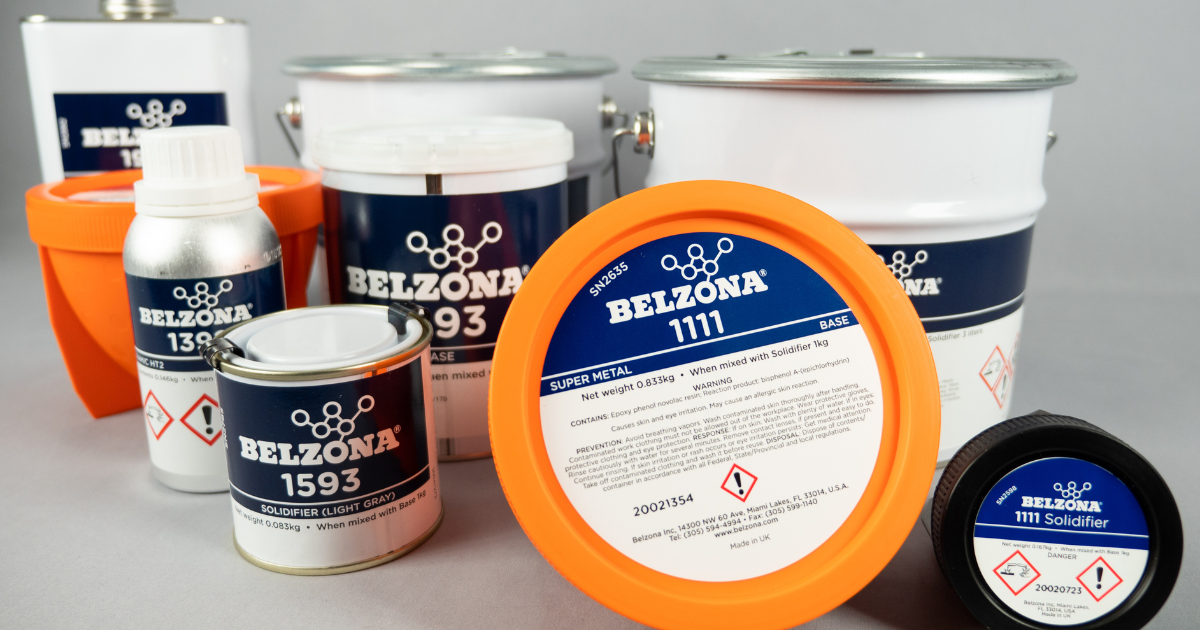
Industrial coatings have become an essential tool for maintenance professionals seeking to protect assets, extend equipment service life, and reduce the cost and disruption associated with major repairs or replacements. By addressing challenges such as corrosion, abrasion, chemical exposure, and environmental degradation, these protective systems help facilities maintain operational reliability while minimizing downtime.
However, achieving long-term performance depends on selecting the right coating system, preparing the surface correctly, and applying the solution under the appropriate conditions. When these factors are carefully considered, industrial coatings can provide durable protection across a wide range of assets and industries.
For maintenance teams evaluating coating solutions, consulting with experienced specialists can help ensure that the chosen system matches the asset’s operating environment and performance requirements. With the right approach, protective industrial coatings can transform reactive repairs into proactive maintenance strategies that improve reliability, extend asset life, and reduce overall operating costs.
Frequently Asked Questions
What are industrial coatings used for?
Industrial coatings are used to protect equipment and structures from damage caused by corrosion, abrasion, chemical exposure, moisture, and environmental conditions. Maintenance teams commonly apply these coatings to assets such as tanks, pipelines, pumps, structural steel, and concrete surfaces to extend service life, prevent failures, and reduce costly downtime.
What are the benefits of industrial coatings for maintenance professionals?
Industrial coatings provide several important benefits for maintenance professionals responsible for protecting equipment and infrastructure. One of the primary advantages is corrosion protection, as industrial coatings for corrosion protection create a barrier that prevents moisture, chemicals, and other environmental factors from damaging metal or concrete surfaces. By slowing down deterioration, coatings help extend the service life of critical assets such as pipelines, tanks, pumps, and structural components.
Another key benefit is the ability to reduce maintenance costs and downtime. Many industrial maintenance coatings can be applied directly on site, allowing maintenance teams to repair and protect equipment without removing it from service or performing extensive mechanical repairs. This approach helps facilities maintain operational reliability while minimizing disruptions, making industrial coatings an effective solution for both preventive maintenance and long-term asset protection.
Where are industrial coatings typically applied?
Industrial coatings are used across many industries to protect critical infrastructure and equipment. Common applications include pipelines, storage tanks, pumps, valves, floors, structural steel, and processing equipment. Maintenance teams apply these coatings in facilities such as manufacturing plants, water treatment facilities, power plants, marine environments, and oil and gas operations.
How long do industrial coatings last?
The lifespan of industrial epoxy coatings depends on several factors, including the type of coating used, the operating environment, surface preparation, and application quality. When properly selected and applied, many industrial coatings can provide years of protection by preventing corrosion, wear, and chemical damage to underlying surfaces.
How do maintenance teams choose the right industrial coating?
Choosing the right maintenance repair coating requires evaluating several factors, including the type of damage present, the operating environment, temperature exposure, chemical contact, and available surface preparation methods. Maintenance professionals often consult with coating specialists to ensure the selected system is suitable for the asset’s service conditions and long-term protection requirements.
Learn More
Interested in Industrial Coatings?
Click to find a distributor near you.

Digital Content Creator, Belzona Inc., Miami, Florida


